Seven games, and the one we'd buy first
Seven games where the pieces carry letters and the job is to make words out of them. They look interchangeable on a shelf and they are not. One takes eight players and has no turns at all. Another takes four and most of an evening.
The split that matters is one no box mentions. In some of these the job really is to find words, and in others the words are the currency and the actual game is where you put them. Players who have worked this out say it bluntly: Scrabble is an area control game wearing a word game's coat. That is not an insult, and it explains why somebody can love Boggle and find Scrabble a chore. They are not doing the same thing.
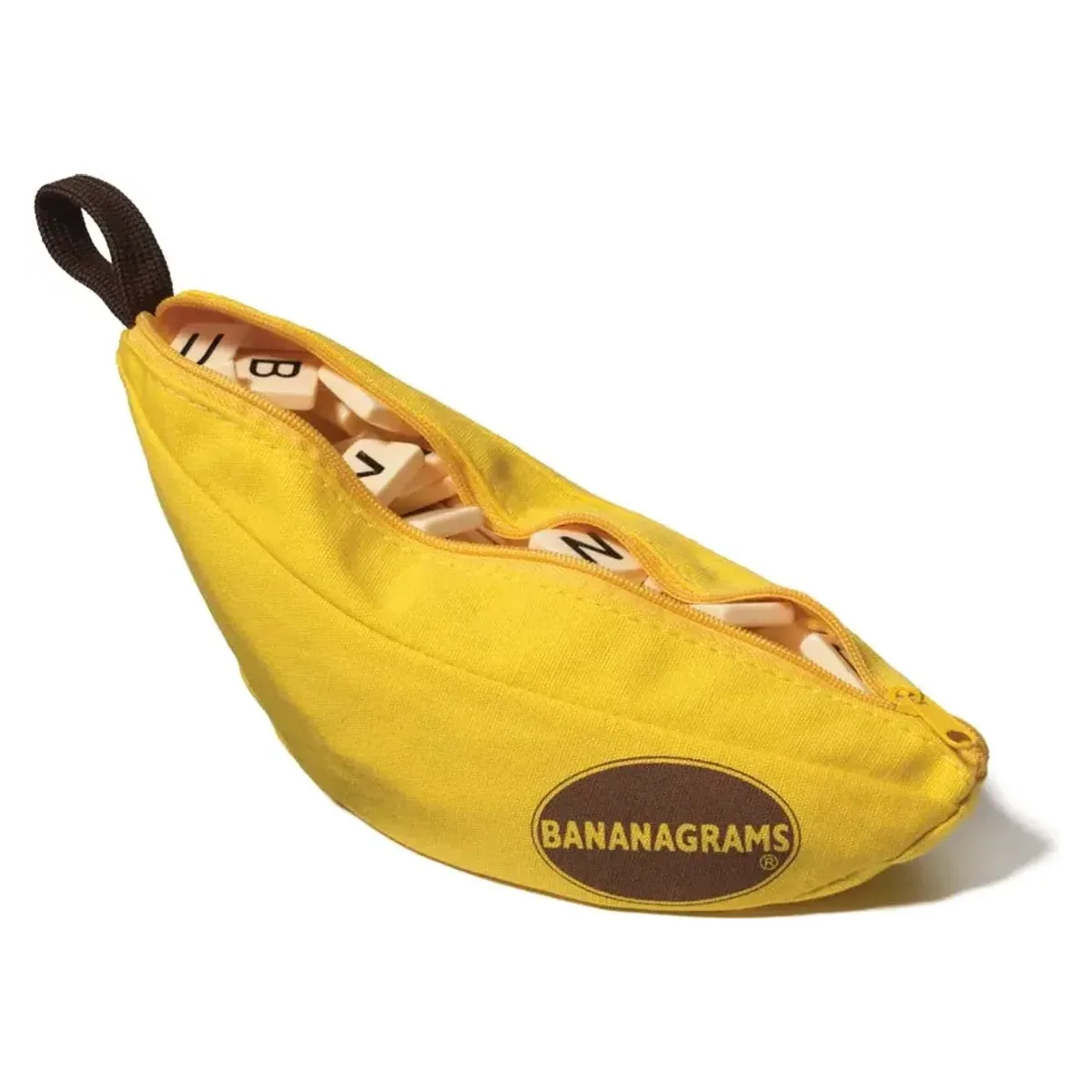
Our favorite is Bananagrams and it is not even close. It is the same skill as Scrabble with the waiting taken out, it costs about half as much, and the line that keeps coming up in board game forums is that most people reaching for Scrabble would have had a better night with it. Scrabble still wins when the evening is the point rather than the gap before dinner.
Word board games compared
| Game | Players | Time | Age | What you play with |
|---|
| Bananagrams | 2 to 8, or solo | Often under 15 minutes | 7 | 144 letter tiles in a cloth banana |
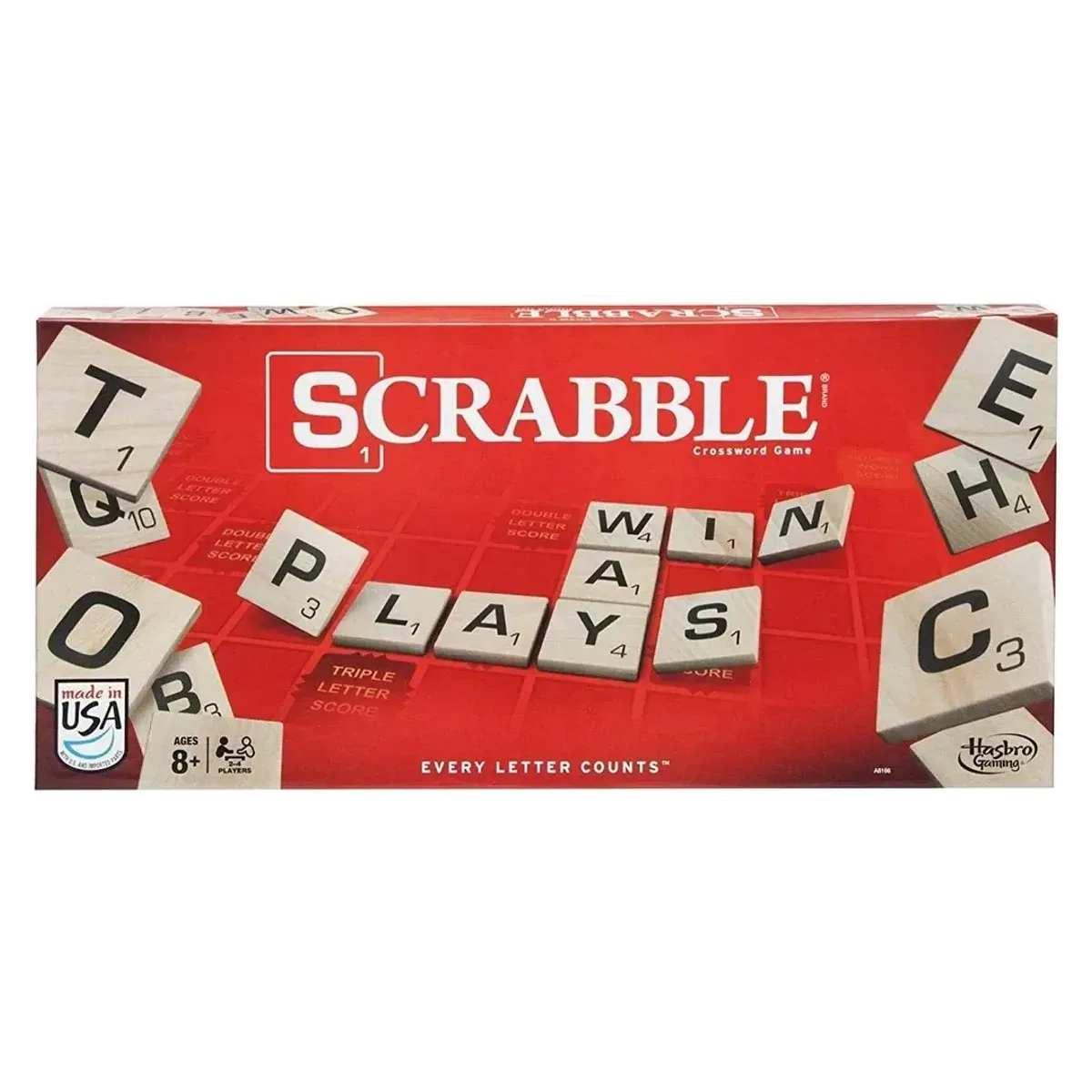
| Scrabble | 2 to 4 | 30 to 60 minutes | 8 | 100 wooden tiles, board, four racks |
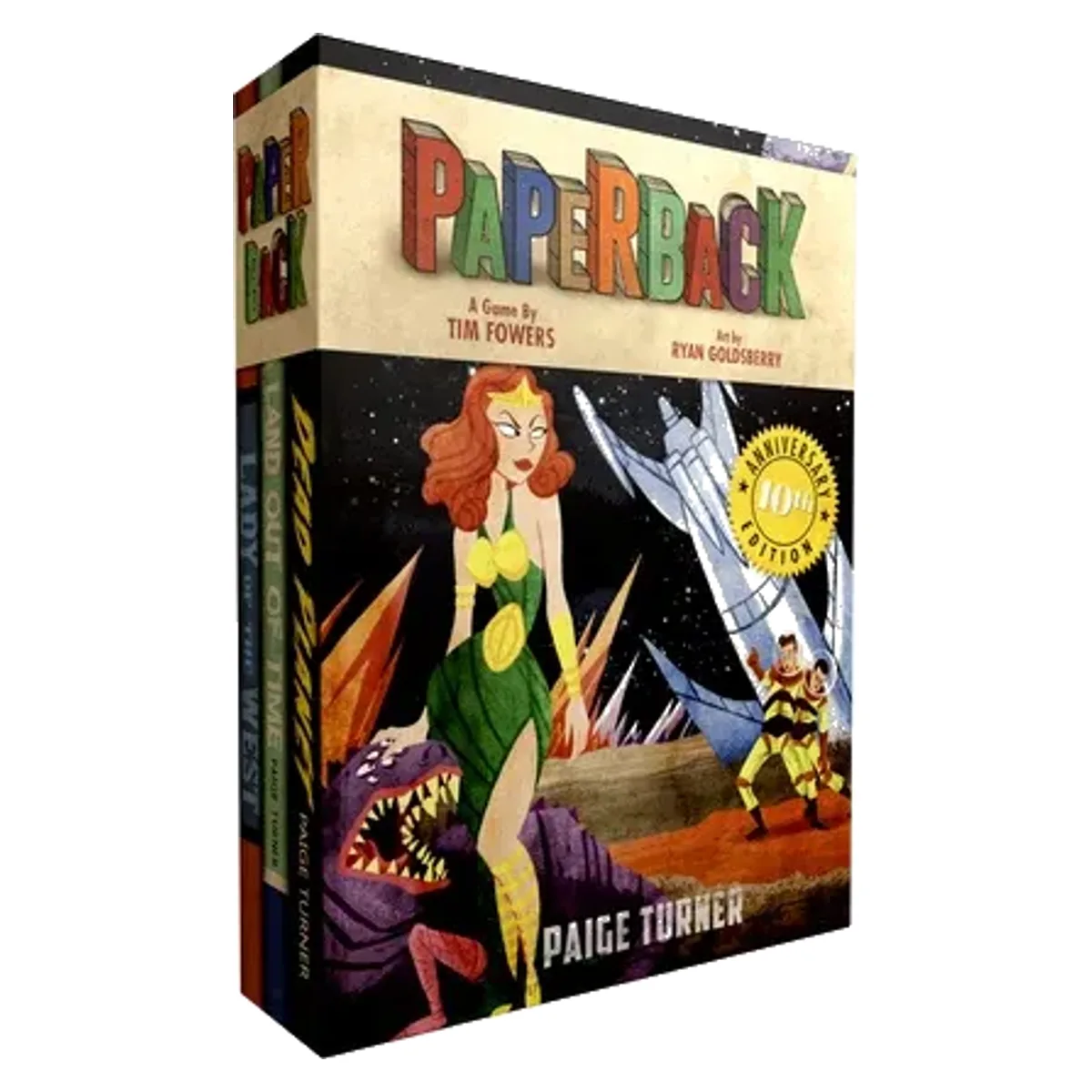
| Paperback | 2 to 5 | 45 to 60 minutes | 8 | Letter cards, wild cards, fame tokens |
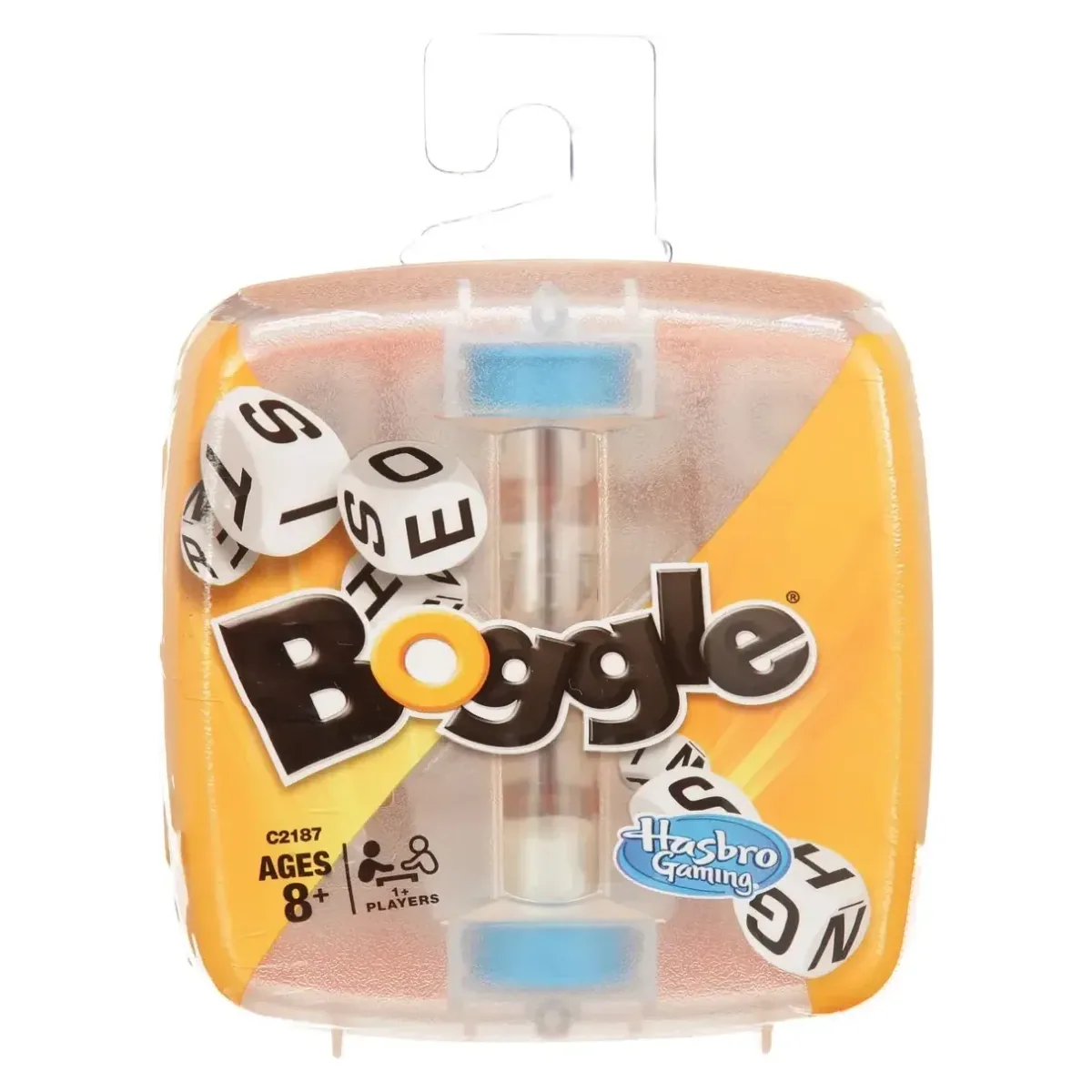
| Boggle | 2 to 4 | 3 minutes a round | 8 | Letter dice in a sealed grid, timer |
| Upwords | 2 to 4 | 45 to 90 minutes | 8 | Letter tiles, 10x10 board |
| Quiddler | 1 to 8 | 30 to 45 minutes | 8 | 118 cards, some carrying two letters |
| Word A Round | 2 to 6 | About 20 minutes | 10 | 100 cards carrying 300 words |
Player counts, times and ages are the publisher's own figures. Ordered by which we would buy first. Where two publisher pages disagree, the entry below says so.
The toplist: in the order we'd buy them
1.Bananagrams
Our favorite
2 to 8, or solo players
Often under 15 minutes
Ages 7
Scrabble with the waiting taken out, at half the price.
Everyone builds their own crossword at the same time. No board, no turns.
Our favorite, and the one we would hand to almost anyone who thinks they want Scrabble. Same skill, none of the waiting, and it costs less than half as much.
SuitsGroups that hate waiting, mixed abilities, and anyone who wants to play twice in an hour.
The catchOne fast player ruins it, and this is the complaint that comes up more than any other. Somebody finishes while everyone else is half done. By the third round nobody else wants to keep playing.
What our tools do hereNo dictionary helps mid-game, it moves too fast. The tools belong before: build a list of Q-without-U words and read it once.
2.Scrabble
Best for a long evening
2 to 4 players
30 to 60 minutes
Ages 8
Worth it when the game is the evening, not the gap before dinner.
Lay words on a grid where the squares under your letters decide the score.
Still the best of the six when the game is the evening rather than something before dinner. It rewards a big vocabulary more than any of the others, which is either the whole appeal or the whole problem depending on who you play with.
SuitsTwo players who are evenly matched, and anyone who enjoys thinking about one move for a while.
The catchPlay stops while somebody counts. With four careful players the gaps between your turns get longer than the turns themselves, and one person who knows three hundred more words than everyone else settles it early.
What our tools do hereThe two-letter words are not a shortcut to winning. They are the entry fee: without them you cannot play parallel to an existing word at all, which is where most of the scoring happens. Build the list in Wordlist, sort it with Sort List, read it on the bus.
3.Paperback
2 to 5 players
45 to 60 minutes
Ages 8
Scrabble crossed with a deckbuilder, and the letters improve as you go.
Spell words from a hand of letter cards, then spend the score on better letters.
The one word game hobbyists name before any of the others, and the reason is that your letters get better. You are not stuck with a rack of vowels for three turns; you buy your way out. If somebody in the house finds Scrabble a chore because of the tiles they keep drawing, this is the answer.
SuitsPeople who already like deckbuilders, and anyone whose complaint about Scrabble is the luck of the draw.
The catchIt is easier to spell words here than in Scrabble, because there is no board to fit them onto. Players who came for the spatial puzzle say the challenge went missing, and a Scrabble devotee in the family may find the buying and the scoring beside the point.
What our tools do hereBuying a letter is worth it only if you will actually use it. Pull every word containing that letter out of a body of text with Wordlist and you can see how often it really turns up.
⚠️ Not sold on Amazon. Fowers Games sells it directly and hobby shops carry it, so there is no buy link here.
4.Boggle
Best when time is short
2 to 4 players
3 minutes a round
Ages 8
Three minutes a round, so it fits in the time you actually have.
Shake the grid, find words in the letters before the timer runs out.
The one to own when your gaming happens in gaps. Three minutes a round means you can play while dinner finishes and nobody has to commit to an evening.
SuitsShort stretches of time, and players who want to compete without a board taking over the table.
The catchEveryone stares at the same grid, so whoever spots patterns fastest wins every single round. There is no luck to even it out, which gets old fast when the group is uneven.
What our tools do hereAfter the round, paste everyone’s words into Sort List, sort them and drop duplicates. What is left is what each of you missed, which is the interesting part.
Hasbro’s US page says 2 to 4 players. Their Canadian and Malaysian pages say 1 or more. We follow the US page.
For when Scrabble keeps being decided by one person’s vocabulary.
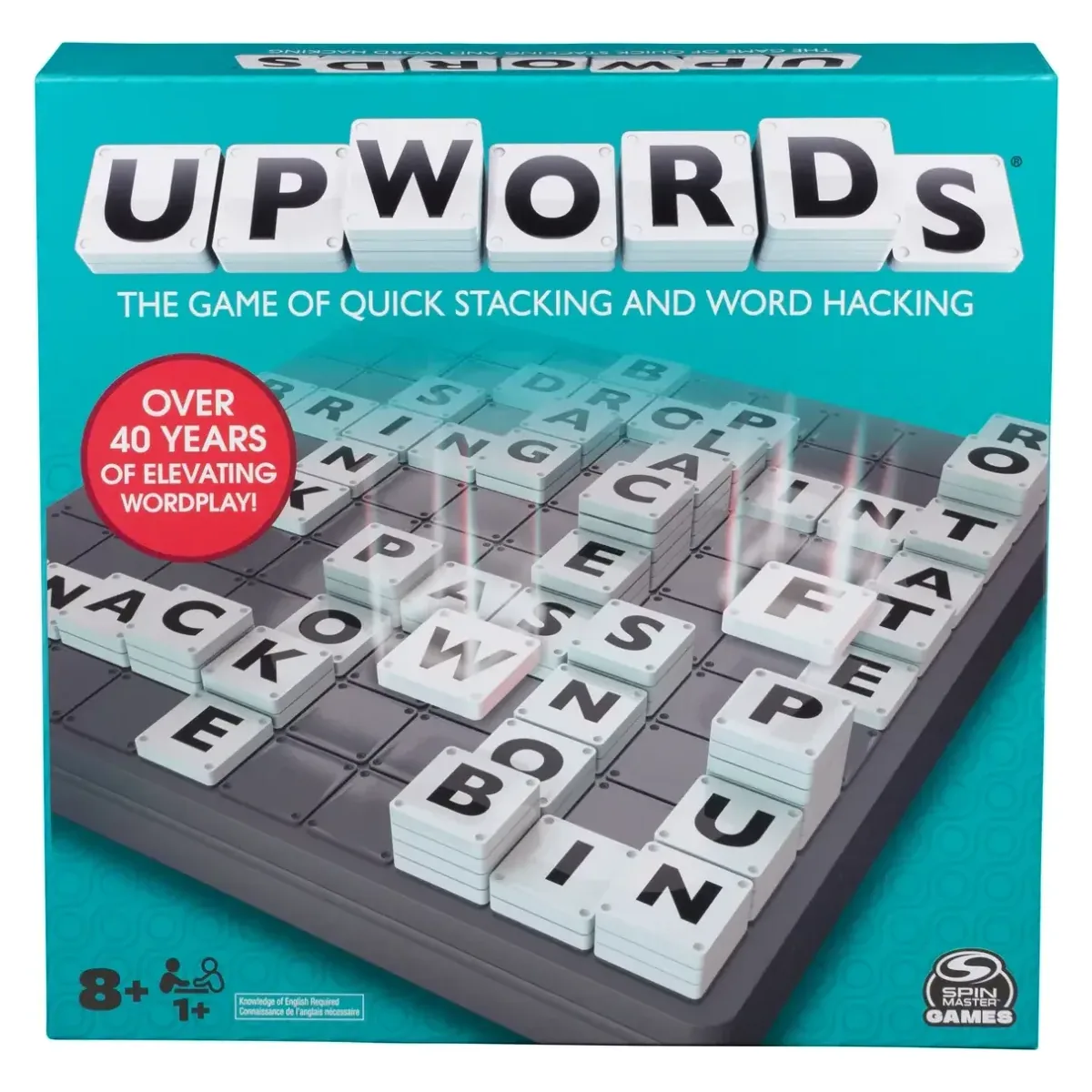
Scrabble, except tiles stack on top of each other and change the words underneath.
For anyone who keeps losing at Scrabble on vocabulary alone. Players who prefer it say the same thing over and over: Scrabble rewards knowing obscure words, Upwords rewards seeing what the board could turn into. Different game, similar box.
SuitsAnyone whose Scrabble games are decided by one person’s vocabulary rather than by play.
The catchThe stacking rules are fussier than they look. No stack above five tiles and never a letter on top of the same letter. New players break both in their first game, and at 45 to 90 minutes that is a long game to get wrong.
What our tools do hereStacking rewards words that become other words when one letter changes. Wordlist pulls them out of a body of text; Sort List orders them by length.
Hasbro says ages 8, Wikipedia says 10. Most likely different editions. Owners also warn that older copies are better made than the current one, so a second-hand set is worth looking for.
Nobody’s favorite, and families play it every Christmas anyway.
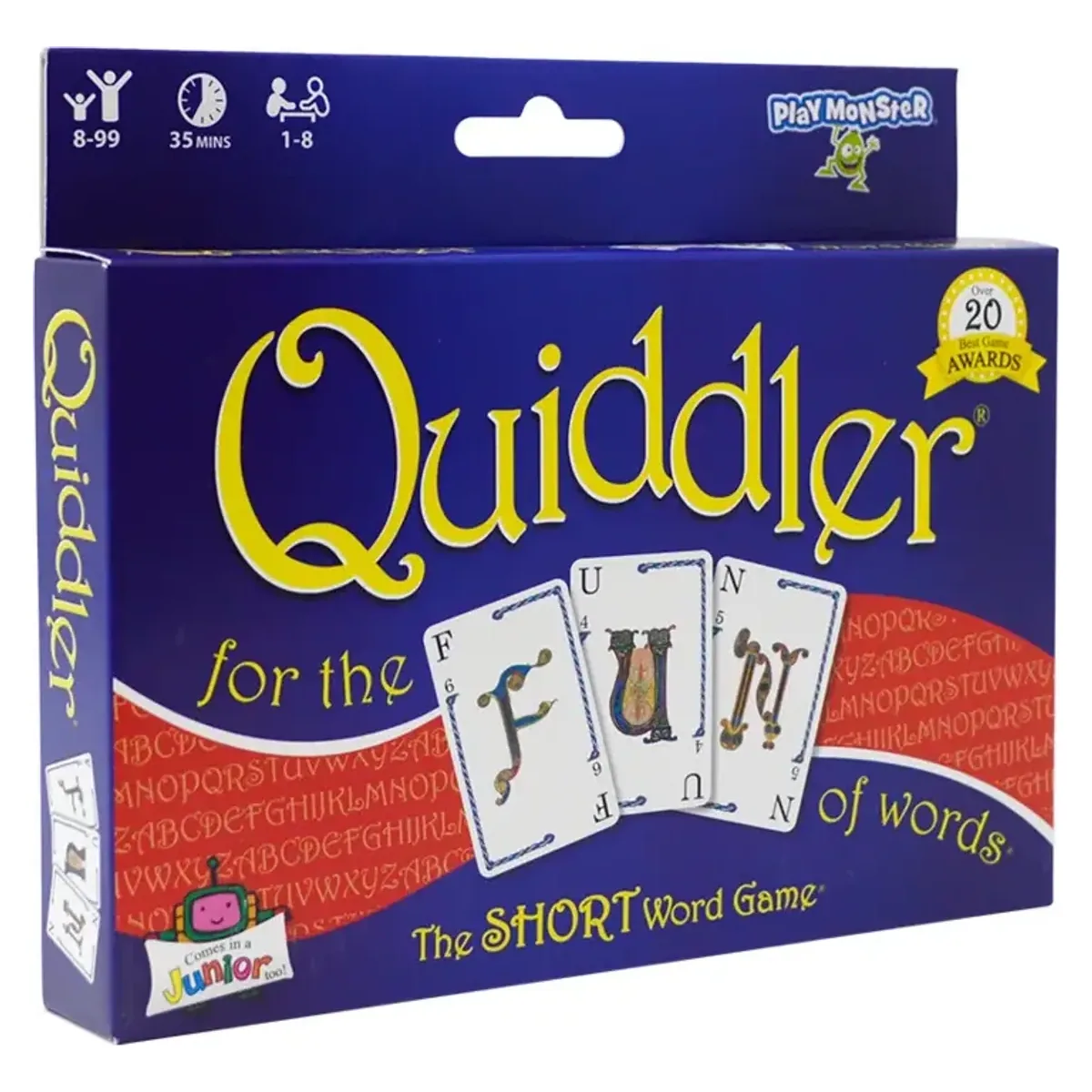
A card game where your hand grows each round, from three cards to ten, and has to become words.
Nobody calls this the best word game and plenty of families have played it every Christmas for fifteen years anyway. It travels, and it turns into a habit rather than an event.
SuitsHolidays, small tables, and anyone who wants a word game that fits in a coat pocket.
The catchScores are kept by hand and there is no pad in the box. The bigger gripe is the waiting. A ten-card round drags when somebody is determined to use every single card.
What our tools do hereThe two-letter cards, TH and IN and the rest, are where the points are. Wordlist finds which words in a text contain them.
7.Word A Round
Best for groups
2 to 6 players
About 20 minutes
Ages 10
The one that works with relatives who never play anything.
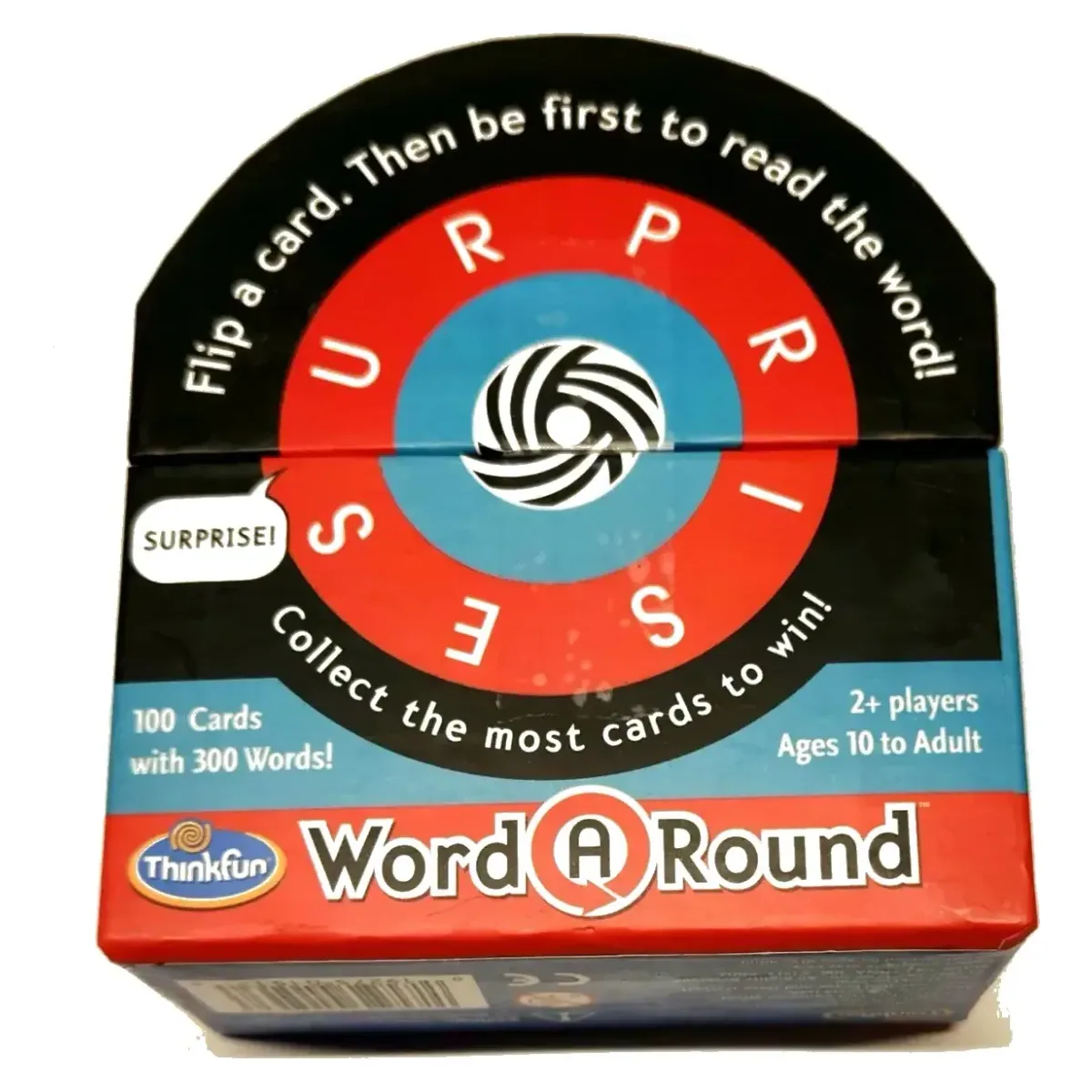
The word runs in a ring with no start. First to read it aloud takes the card.
The weakest of the six as a game you own and the best of them as a game you bring somewhere. Nobody needs vocabulary to play it, which makes it the one that works with relatives you never normally play anything with.
SuitsMixed ages and mixed abilities. Reading a ring needs eyes, not a dictionary.
The catchA card is spent the moment somebody reads it, and 300 words go faster than they sound. With the same group it stops being a game long before the cards look used.
What our tools do hereThe ring is hard because your eye cannot find the start. Reverse Text shows the same effect on your own writing.
How this page was put together
Player counts, times and ages come from the publisher's own rules pages, linked at the bottom. Everything else, the verdicts and the catches, is drawn from what owners and reviewers keep saying across forums, review sections and other comparison pages. Where Hasbro and Wikipedia disagree on a number, both are given rather than one quietly chosen for you.
Nobody here played seven games for this page, and a page claiming otherwise would not deserve the click. What you get instead is the aggregate: the complaint that comes up over and over is worth more than one household's evening, and it is the thing no publisher page will tell you.
The order is a ranking, loosely. Bananagrams first because it is the one we would buy, Word A Round last because it runs out of cards as a game. Everything in between is close enough that the table matters more than the order.
Frequently asked questions
Which game for which group, and how to get better at all of them.
Which word board game works best for a big group?
Bananagrams, comfortably. It takes 2 to 8 and has no turn order at all, so nobody sits there waiting. Scrabble, Boggle and Upwords all cap at four, and four thoughtful Scrabble players is a lot of staring at the ceiling.
Which one takes the least time?
Boggle. A round is three minutes on the built-in timer, which makes it the only one here you can finish while something is in the oven. Bananagrams is usually under 15 minutes. Upwords is the long one at 45 to 90 minutes, and it feels it.
What is the lowest age these start at?
Bananagrams at 7 is the lowest of the six. Scrabble, Boggle, Upwords and Quiddler are all 8 and up, and Word A Round is 10. Worth knowing that Hasbro lists Upwords as 8 while Wikipedia says 10, most likely because they are describing different editions.
Why does everyone say to learn the two-letter words?
Because they let you play parallel to an existing word instead of hooking onto one letter, and a two-letter word laid alongside another can score three or four words at once. Learning them is the single biggest jump a casual Scrabble player can make, and it is a short enough list to actually learn.
How do I practise without another player?
Build a list and read it. Paste any text into our Wordlist tool to pull out every unique word, then use Sort List to alphabetize it and drop the duplicates. A list of Q-without-U words beats another practice game.
Scrabble or Bananagrams?
Bananagrams, for most people and most tables. Same skill, about half the price, and nobody waits for a turn. Buy Scrabble instead when you want the game to be the evening, or when you have one opponent who is genuinely your match. The forum version of this answer is blunter: most people reaching for Scrabble would have had a better night with Bananagrams.
Can any of these be played alone?
Bananagrams and Quiddler both list solo play, and Bananagrams is the one that really works on your own, because there was never a turn order to miss. The other four need at least two players.