Buy one of these first
Five games that are short, cheap and hard to regret. Every one of them is over inside half an hour, which is what makes the luck bearable.
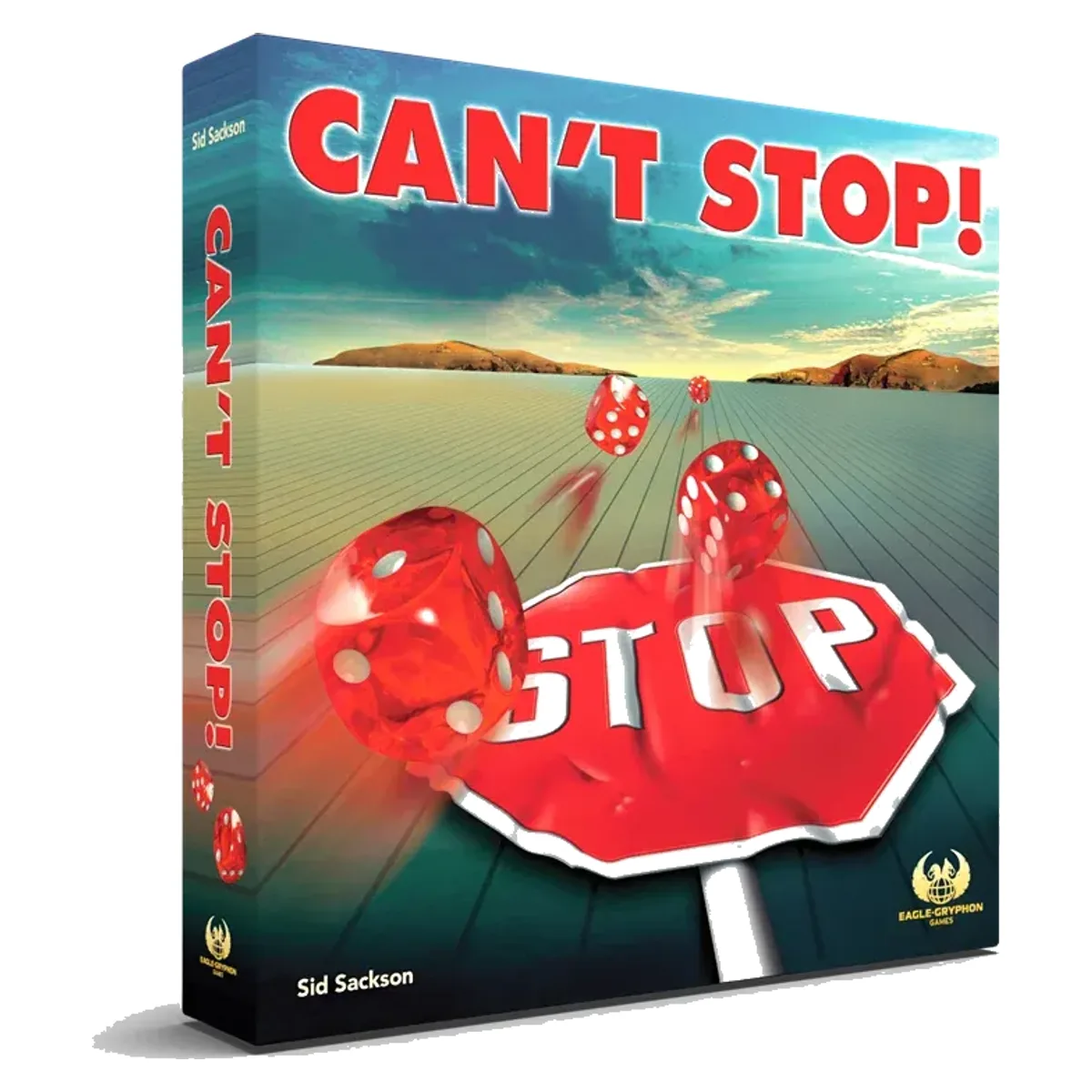
1.Can't Stop
Our favorite
2 to 4 players
About 30 minutes
Ages 8
The only game here where the odds change with every roll you take.
Race up three columns at once, and decide after every roll whether to bank or keep going.
Our pick, and the one experienced players defend hardest. Farkle and Zombie Dice ask the same question every roll, so the decision is the same decision over and over. Running three columns at once means the odds shift as you commit, and a roll that was safe two turns ago is the one that busts you.
SuitsAny group that wants a real decision every thirty seconds without learning a rulebook.
The catchThe box is far larger than what is inside it, which owners bring up more than any rule. It is four dice and a board sold in a shelf-sized carton, and it makes a poor thing to pack for a trip.
What our tools do hereThe argument at this table is always the same: what are the odds of hitting a seven before a two. Open the Dice Roller, set four dice, and settle it by rolling a few hundred times instead of asserting it louder.
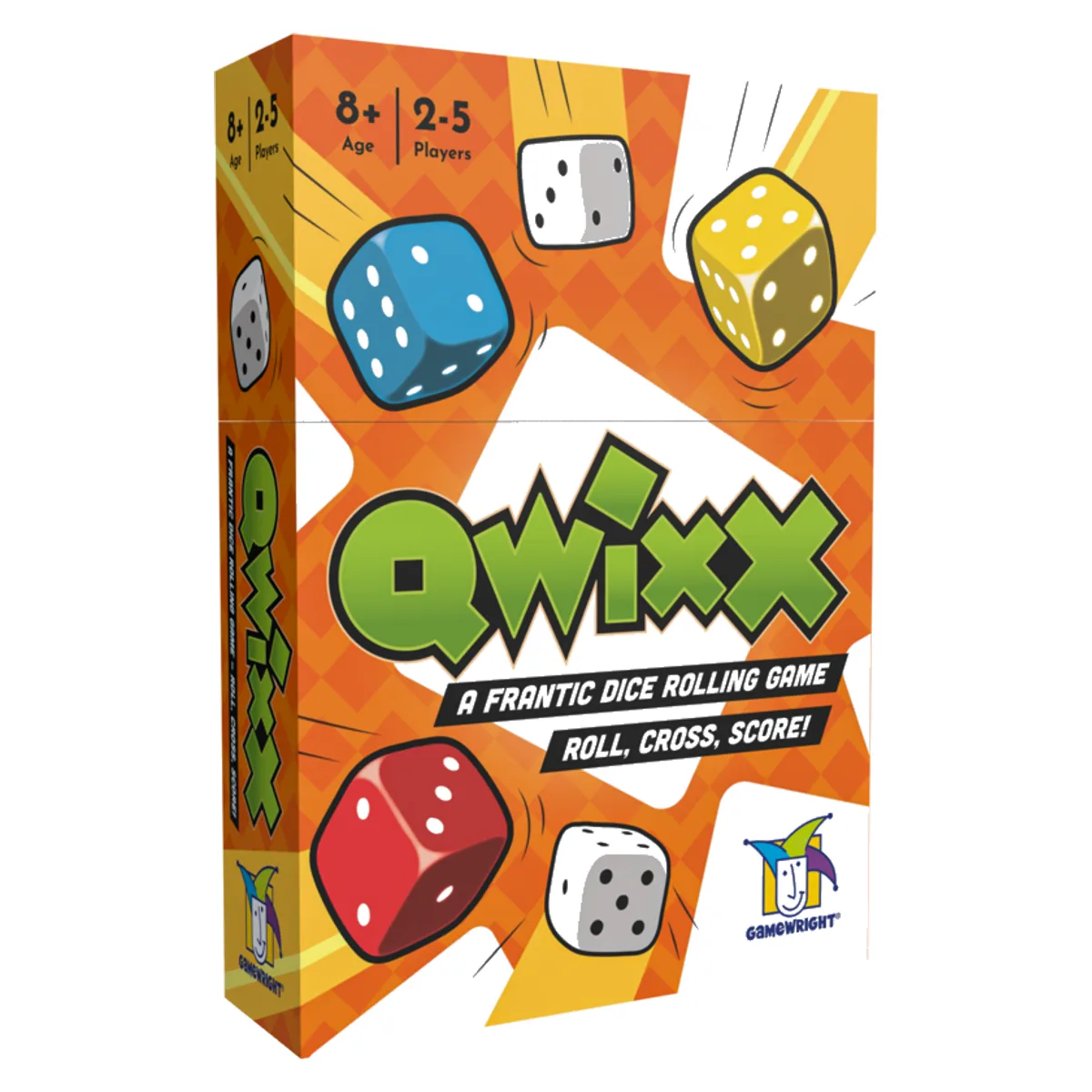
2.Qwixx
Best when time is short
2 to 5 players
15 minutes
Ages 8
What to buy for the person who says they like Yahtzee.
Cross off numbers on four coloured rows, but only ever left to right.
The single best answer to somebody who likes Yahtzee, and the phrase that keeps coming back about it is that this is Yahtzee done by someone who thought about it. Everyone marks something on everyone else’s turn, so the waiting that ruins Yahtzee for four players simply is not there.
SuitsYahtzee households, and anyone who wants a whole game finished inside a quarter of an hour.
The catchIt burns out. The complaint is never that the game is bad, it is that a group plays it every evening for a summer and then cannot look at it again. Rows are always the same four colours in the same order.
What our tools do hereThe skill is knowing when a row is dead. Roll two dice a hundred times and count how often the total clears the number you are holding out for.
Nominated for Spiel des Jahres in 2013. The publisher lists it at around eight euro, which is why it keeps being called Euro Yahtzee at a tenth of the price of anything else here.
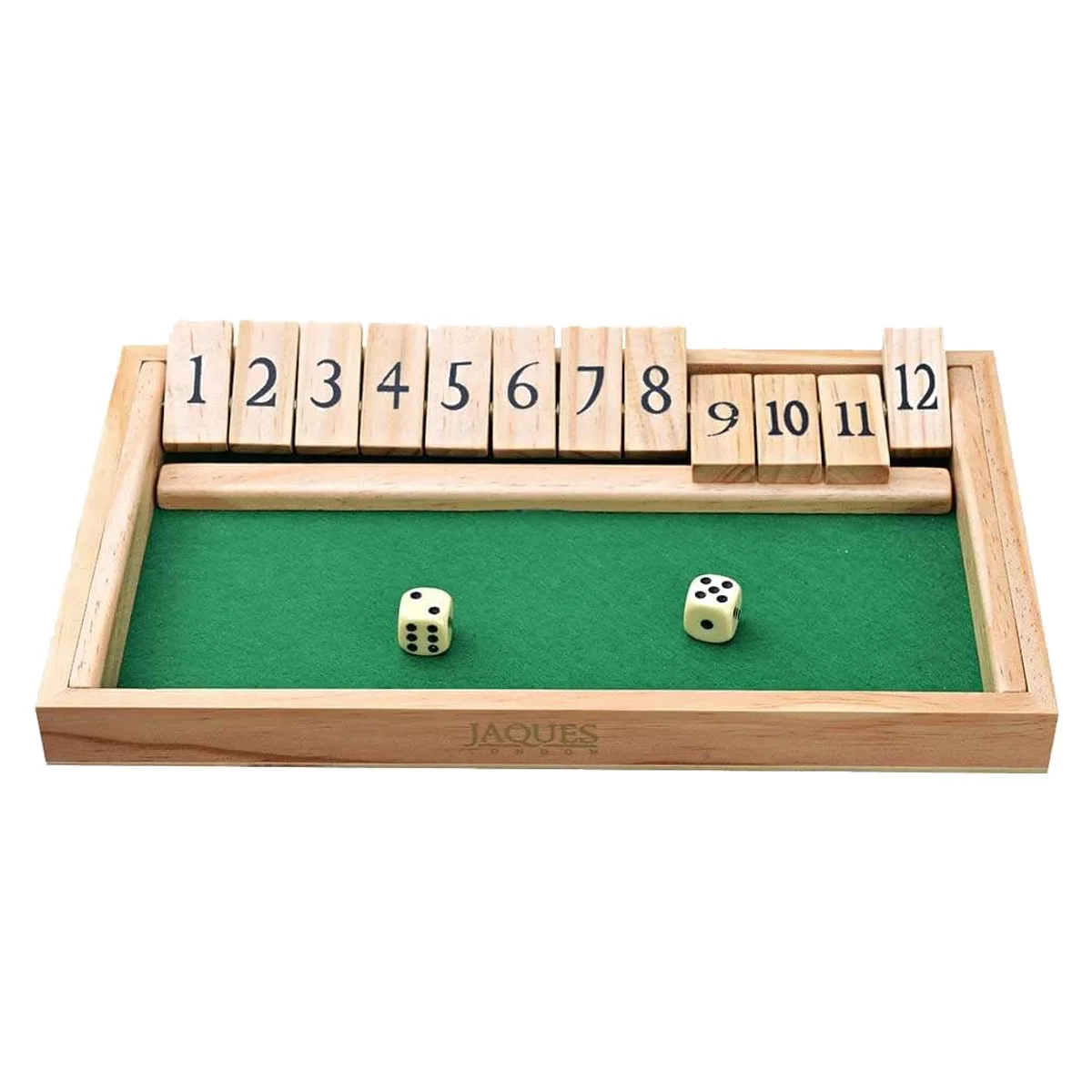
3.Shut the Box
Any number, best with 2 to 4 players
5 to 10 minutes
Ages 8
The only game here that people build themselves rather than review.
Roll two dice, close numbered flaps that add up to the total, keep going until you cannot.
Three hundred years old and there is no backlash to find, which is unusual enough to be worth saying. Search for complaints and what comes back instead is woodworking projects, because the response it provokes in people is to go and make one.
SuitsPubs, one player waiting for another to arrive, and anyone who wants an object rather than a box of cardboard.
The catchIt is barely a two player game. Players take whole turns one after the other with nothing to do in between, which is why most households end up making up a rule where everyone gets their own set of dice.
What our tools do hereWhether to split a seven into 3 and 4 or take it whole is the entire game. Two dice, a hundred rolls, and you can see which totals turn up often enough to plan around.
Masters of Games says any number of players but best with two to four. Dice Game Depot says best with two to five. Both are describing a folk game with no publisher, so neither is wrong.
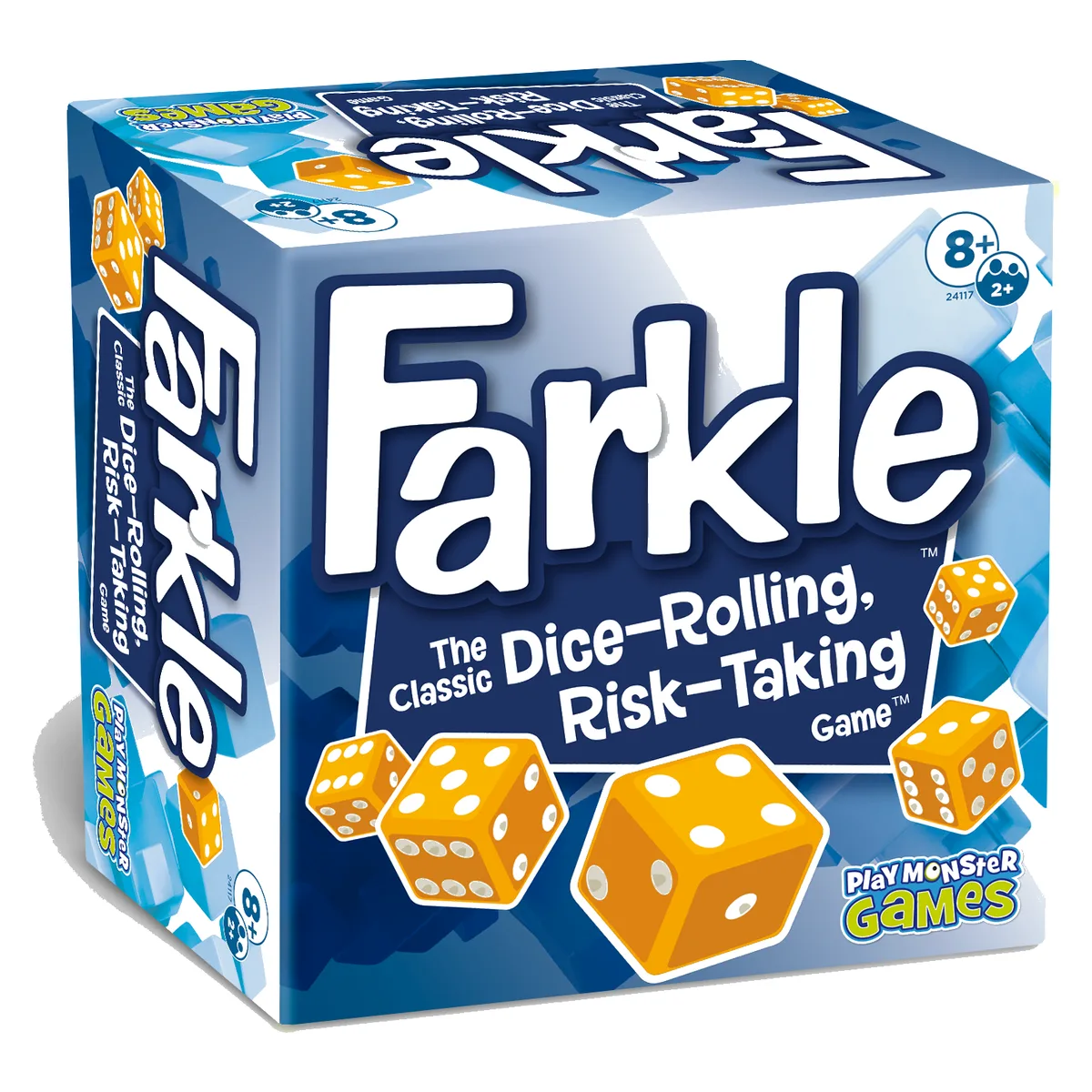
The game people play with their in-laws whether they want to or not.
Roll six dice, set aside what scores, and decide whether to reroll the rest or bank.
A folk game with a box around it, and it is genuinely good at what it does. The honest thing to say is that it does not do anything the free version does not, so what you are buying is a cup, six dice and the scoring table printed where everyone can see it.
SuitsBig family tables where somebody needs to be able to join halfway through.
The catchThe cup is the weak point and the publisher’s own product page carries the complaint. Buyers describe the current one as being about the material of a takeaway cup, and say the older version was better.
What our tools do hereSix dice, and the question is always whether to reroll two of them. Set six dice in the Dice Roller, roll fifty times, and count how often two dice produce nothing at all. It is more than people expect.
Scoring varies more than any other game here. PlayMonster’s rules and Dice Game Depot disagree on straights and three pairs, so agree which set you are using before the first roll.
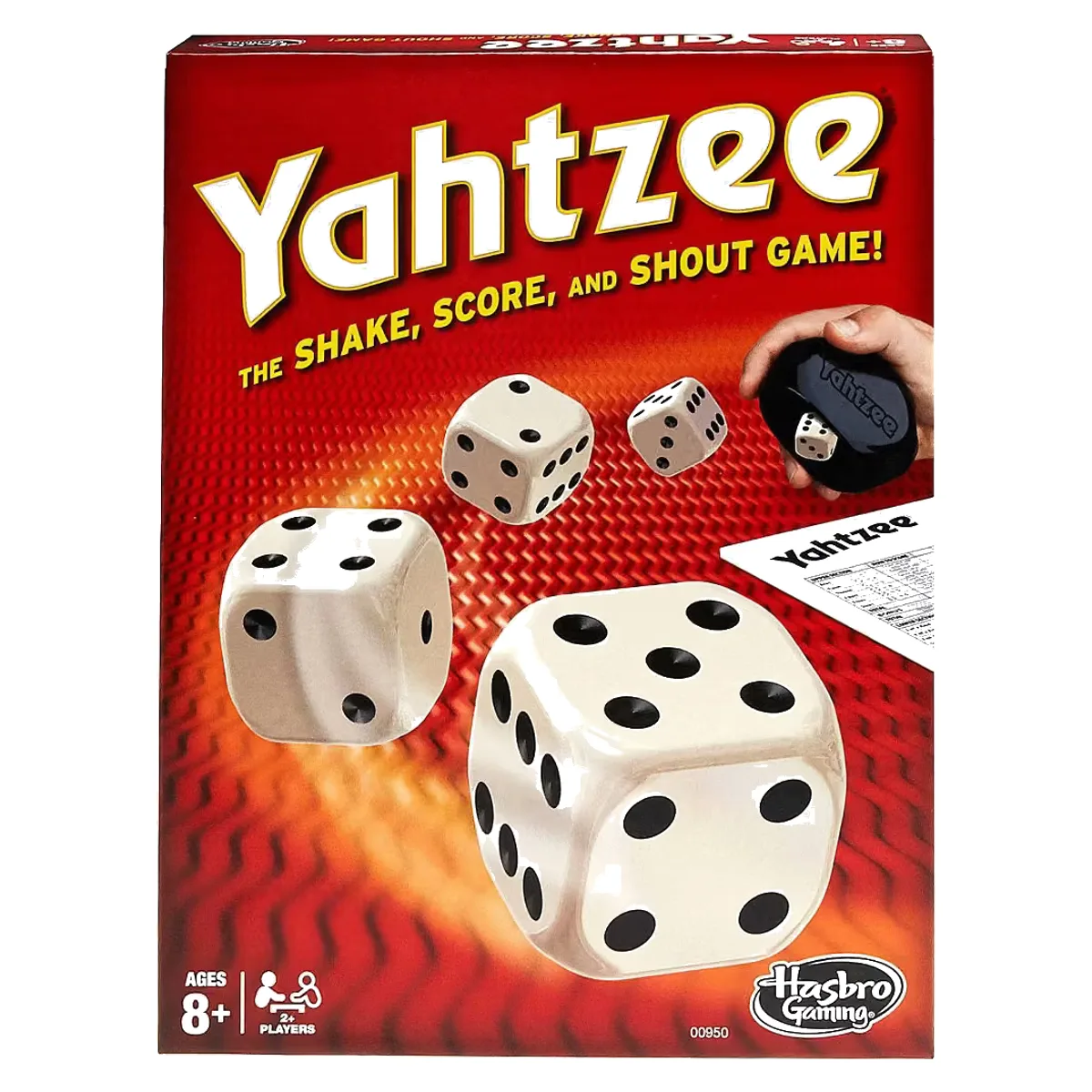
Everyone has one, and almost nobody has read the actual rules.
Thirteen rounds, three rolls each, filling in a fixed scorecard.
The one everybody already owns, and it earns its place by being the game nobody has to be taught. It is also the weakest of the five here on any measure other than familiarity, and the reason is the scorecard rather than the dice.
SuitsHouseholds where the game has to be explainable to someone who has never played anything.
The catchThe bonus is broken and it decides games. A second Yahtzee is worth a hundred points, which is more than most players score in the entire upper section, so one roll can put somebody permanently out of reach with six rounds left.
What our tools do hereNobody believes the odds of a Yahtzee until they watch it fail fifty times in a row. Five dice on screen answers it faster than any strategy article.
Hasbro says two or more players. Wikipedia says two to ten. Hasbro is the publisher, so we follow them, but the game works fine with one person and a scorecard.
Worth a place in the cupboard
Ten more that earn their space for a particular table or a particular evening, rather than for everybody.
6.Deep Sea Adventure
Best for groups
2 to 6 players
30 minutes
Ages 8
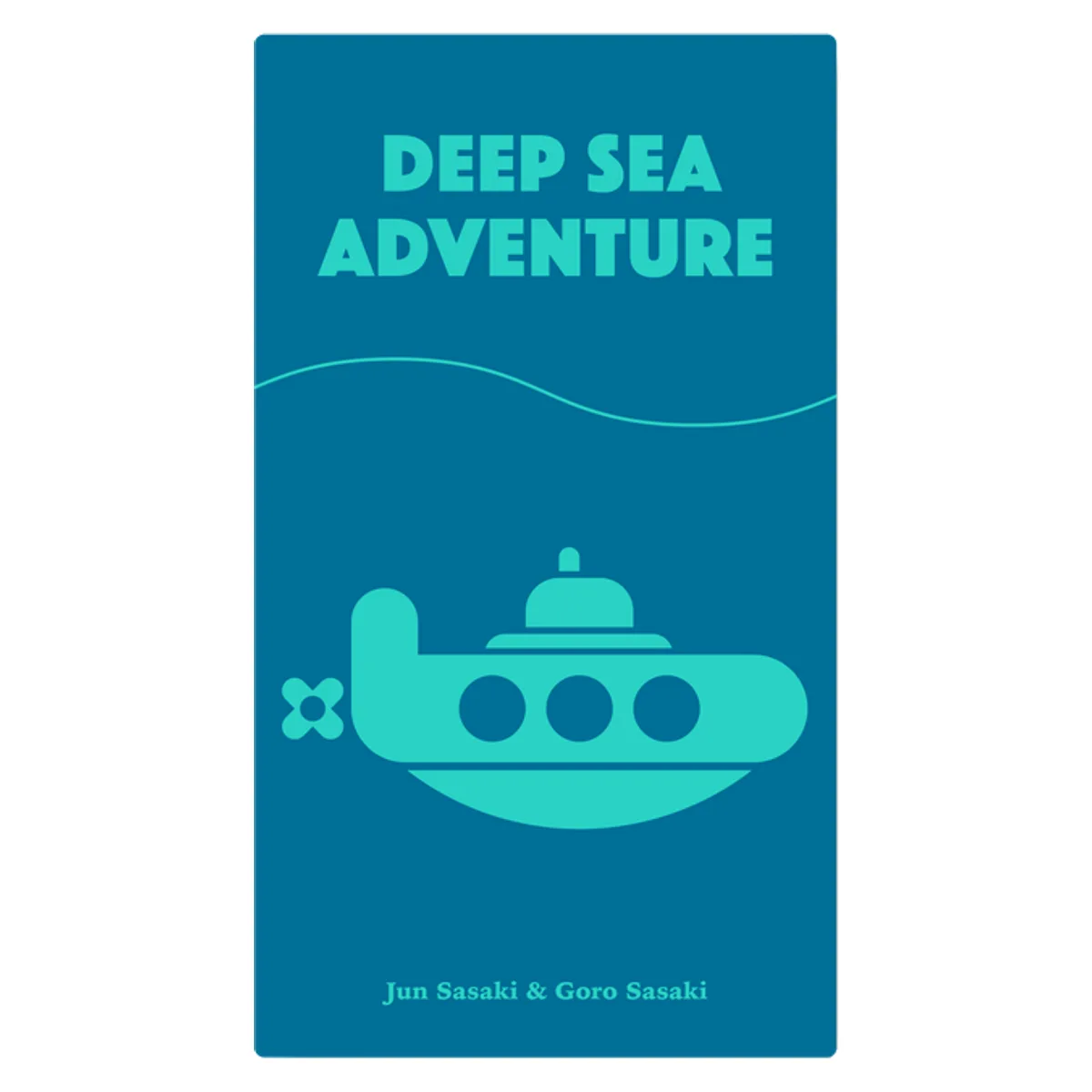
Everyone shares one air supply, so greed is a group problem.
Dive for treasure while the whole table breathes from the same tank.
The most interaction of anything on this page, and it fits in a coat pocket. The shared air supply is the whole design: every treasure you pick up slows you down and costs everyone else oxygen, so the table turns on you as a group rather than through any take-that card.
SuitsThree or more players who want push your luck where the pushing affects other people.
The catchPlaying safe wins too often. Grab two chips, turn round early, and you beat the player who went deep, which drains the tension the game is built on. Buyers should also know that counterfeit copies have circulated, so check the seller.
What our tools do hereThe dice here are two three-sided dice, not the usual six. Set the Dice Roller to two dice with three faces and you can see how short the movement really is before you commit to another level.
7.Liar's Dice
2 or more players
Varies with the group
Ages 8
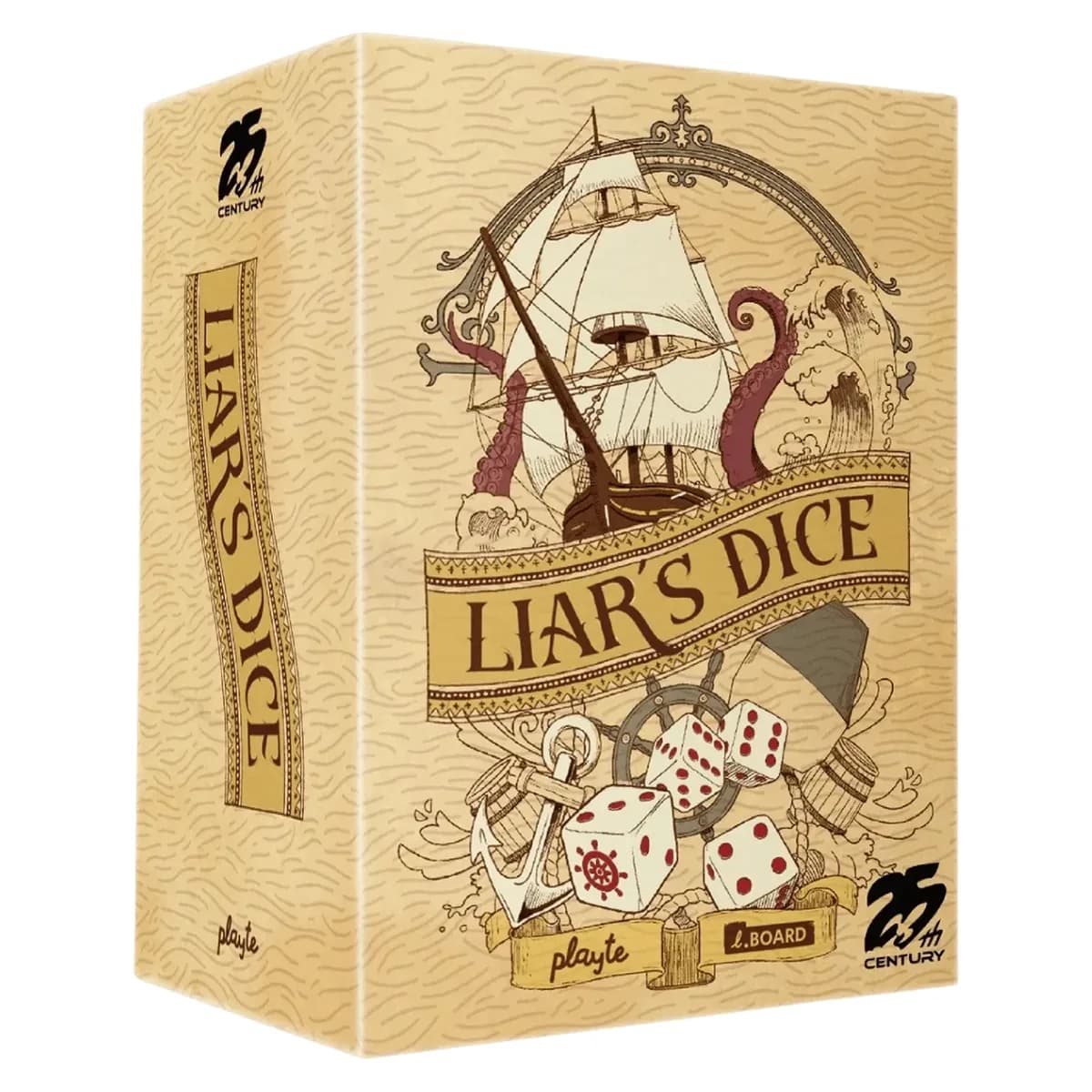
Sold as a bluffing game, and it is mostly arithmetic.
Everyone hides five dice under a cup and bids on what the whole table is holding.
A permanent classic, and the box undersells what it actually is. Players who are good at it describe it as counting rather than acting: with thirty dice on the table you know roughly how many fours exist, and the bluffing sits on top of the arithmetic rather than replacing it.
SuitsFive or more people around a table who like reading each other, and who are not in a quiet room.
The catchIt is loud in a way no box mentions. Everyone slams a cup down at once, which rules out cafes and trains. Enthusiasts treat this as a feature and deliberately buy the loudest cups, since a quiet cup gives away how many dice are left.
What our tools do hereThe whole game is one question: with thirty dice out there, how many sixes are there really. Set thirty dice in the Dice Roller, roll it, and count. Two minutes of that is worth more than any strategy article.
Rules vary and nobody agrees. Whether ones are wild is the big one, and it changes the odds enough that the table has to settle it before starting.
8.The Quacks of Quedlinburg
2 to 4 players
45 minutes
Ages 10
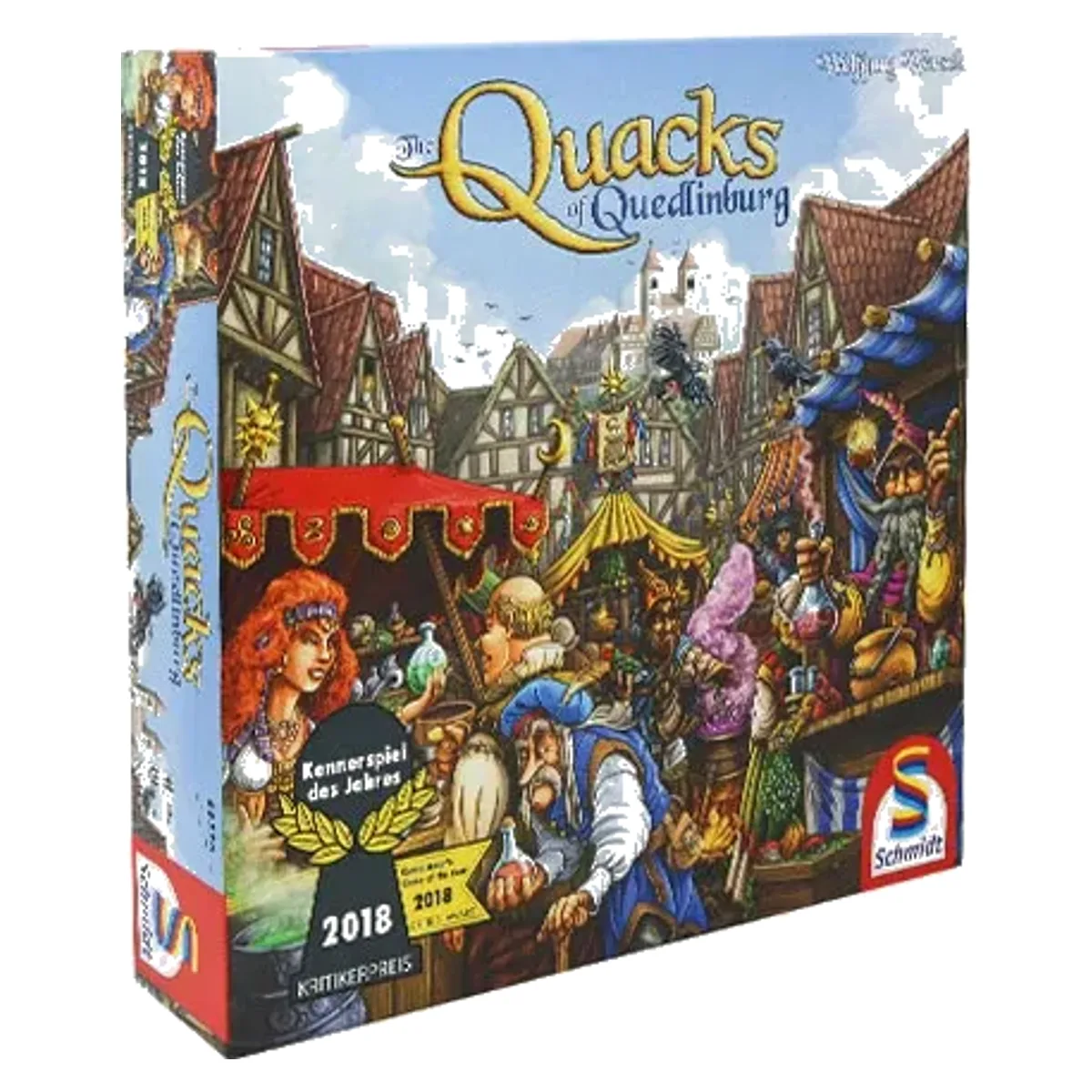
Push your luck where everyone pushes at the same time.
Draw ingredients from a bag and keep going until your pot explodes.
The best game on this page and not the one we would buy first, which are both true. Everyone draws at the same time, so nobody waits, and what you buy between rounds changes what your bag can do. Kennerspiel des Jahres in 2018 and it holds up.
SuitsGroups who have worn out the short games and want the same tension with something to build.
The catchIt is unusually easy to cheat. The bag is private and the drawing is by feel, so a player who wants to can tell chips apart with their fingers. Owners also find the components cheap for the price, particularly the bags.
What our tools do hereWhat players get wrong is how fast the risk climbs once the bag is full of white chips. The Dice Roller will not model a bag, but rolling for the explosion threshold shows the same shape: the danger is not linear.
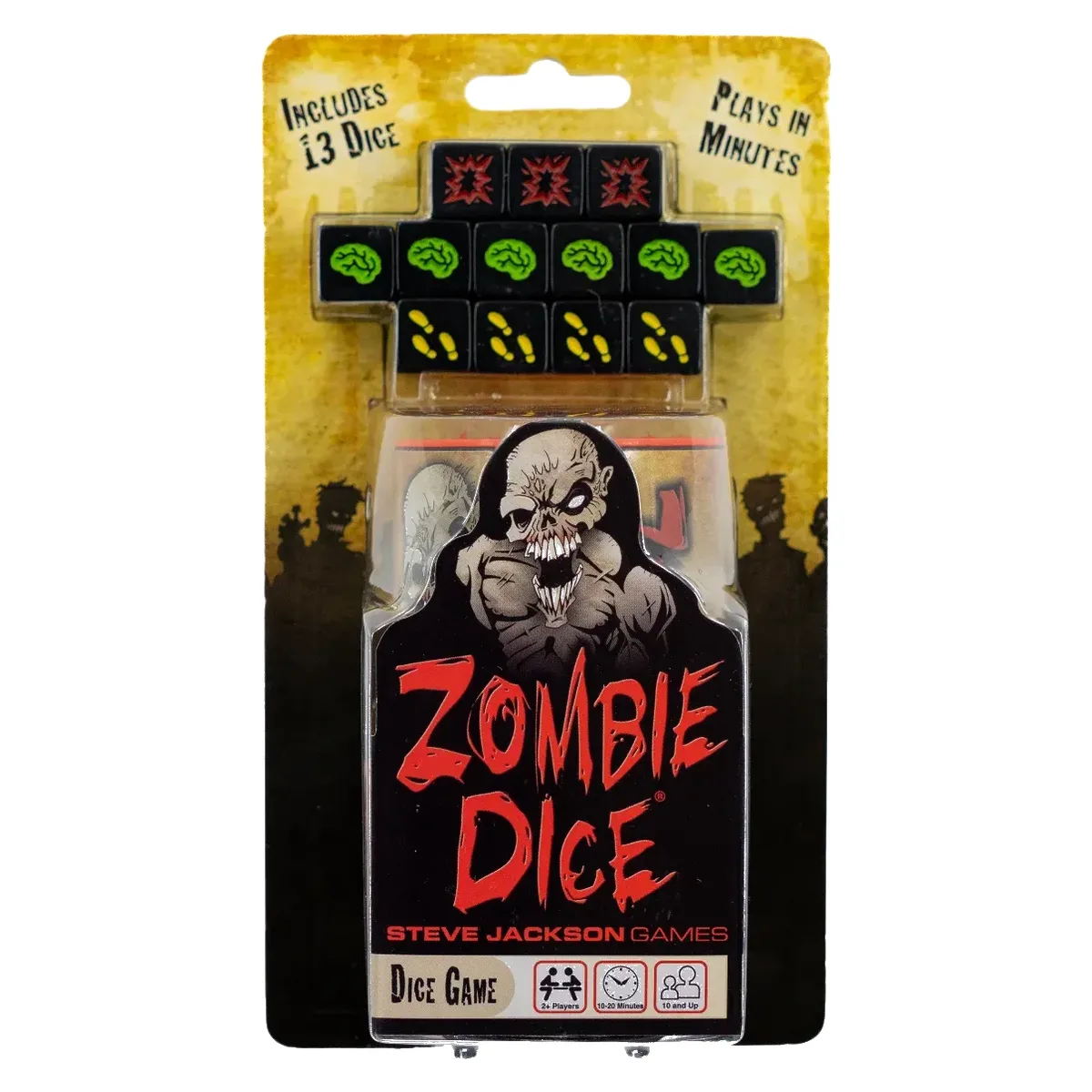
9.Zombie Dice
2 or more players
10 to 20 minutes
Ages 10
Ten minutes of fun, and it lasts exactly ten minutes.
Pull dice from a cup, collect brains, stop before three shotguns.
Bought for what it is and it does that job. The common criticism, that it is fun for about ten minutes, is not really a criticism when the game takes ten minutes. What it is not is the evening.
SuitsThe gap while somebody is late, and tables with children who want to play something with adults.
The catchThere are no decisions beyond stop or continue, and the risk never changes. Unlike Can’t Stop, every roll is the same roll, so once you know the ratio of green to red dice there is nothing left to learn.
What our tools do hereThe dice come in three colours with different faces, which is the only strategy there is. Build the same three sets on screen and roll each fifty times to see how uneven they are.
Steve Jackson Games says two or more players. Wikipedia says two to eight. Nothing in the rules stops more.
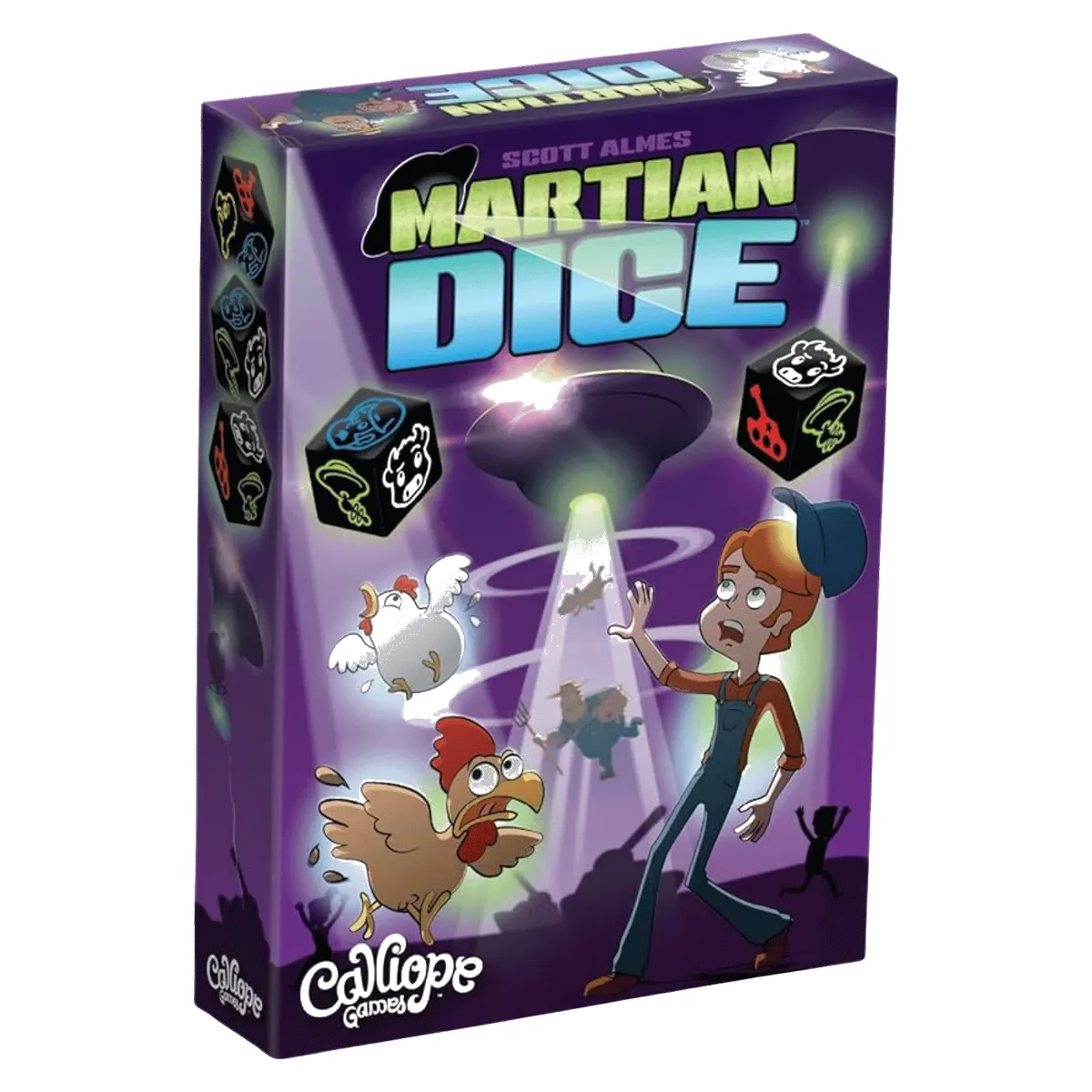
10.Martian Dice
2 or more, best with 3 to 4 players
10 to 15 minutes
Ages 8
Owners are convinced the dice are rigged. They are not.
Abduct humans, cows and chickens while fighting off tanks.
A better Zombie Dice with a worse reputation, and the reputation is a misunderstanding. Owners repeat that the tank face turns up too often for the game to be fair. It does not: the duplicated face is the death ray, and the odds favour the player.
SuitsAnyone who liked Zombie Dice and wants one more decision per turn.
The catchEvery first roll really does come up with a pile of tanks, and clearing them eats the dice you needed for scoring. The maths is fine and the experience is still frustrating, which is a real thing to know before buying.
What our tools do hereThis one is worth checking yourself. Build thirteen dice in the Dice Roller, roll them, and count the faces. Seeing the distribution is the fastest way to end the argument about whether the tanks are rigged.
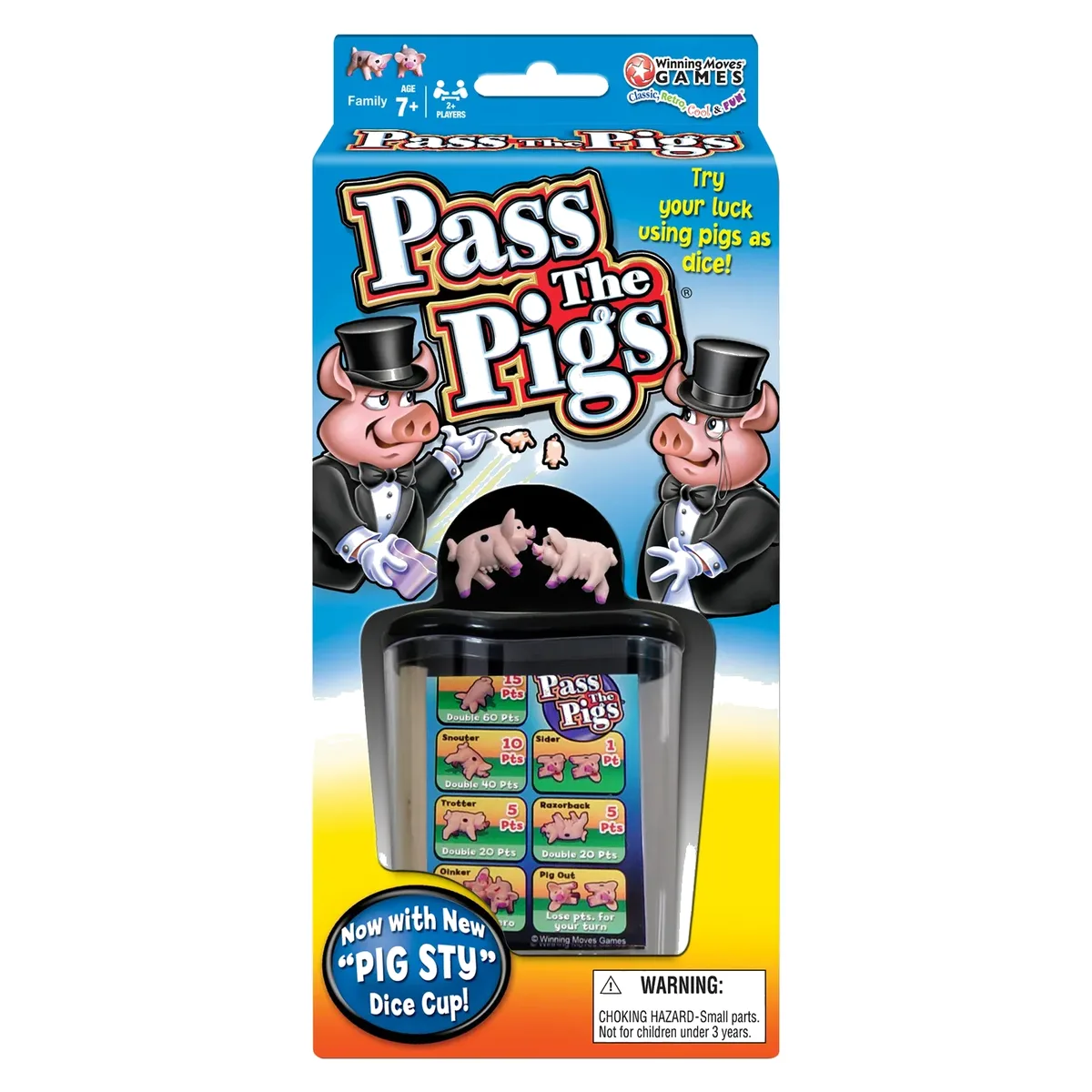
11.Pass the Pigs
2 or more players
About 15 minutes
Ages 7
A toy with a scoring system, and it works on those terms.
Throw two rubber pigs and score by how they land.
Mechanically this is the folk game Pig with rubber pigs instead of a die, and it has outsold almost everything here for fifty years anyway. Owners are clear-eyed about it: too simple to play often, and they buy a second copy to keep in the car.
SuitsCamping, pubs and long waits. Not a game night.
The catchThe decision space is one binary choice, roll again or bank, and nothing changes it. Owners themselves file it under games that are not good and get played anyway, which is a fair description.
What our tools do hereThe pigs are unbalanced dice, which is the interesting part. Rolling a fair die alongside a few throws makes the difference between fair and unfair odds obvious.
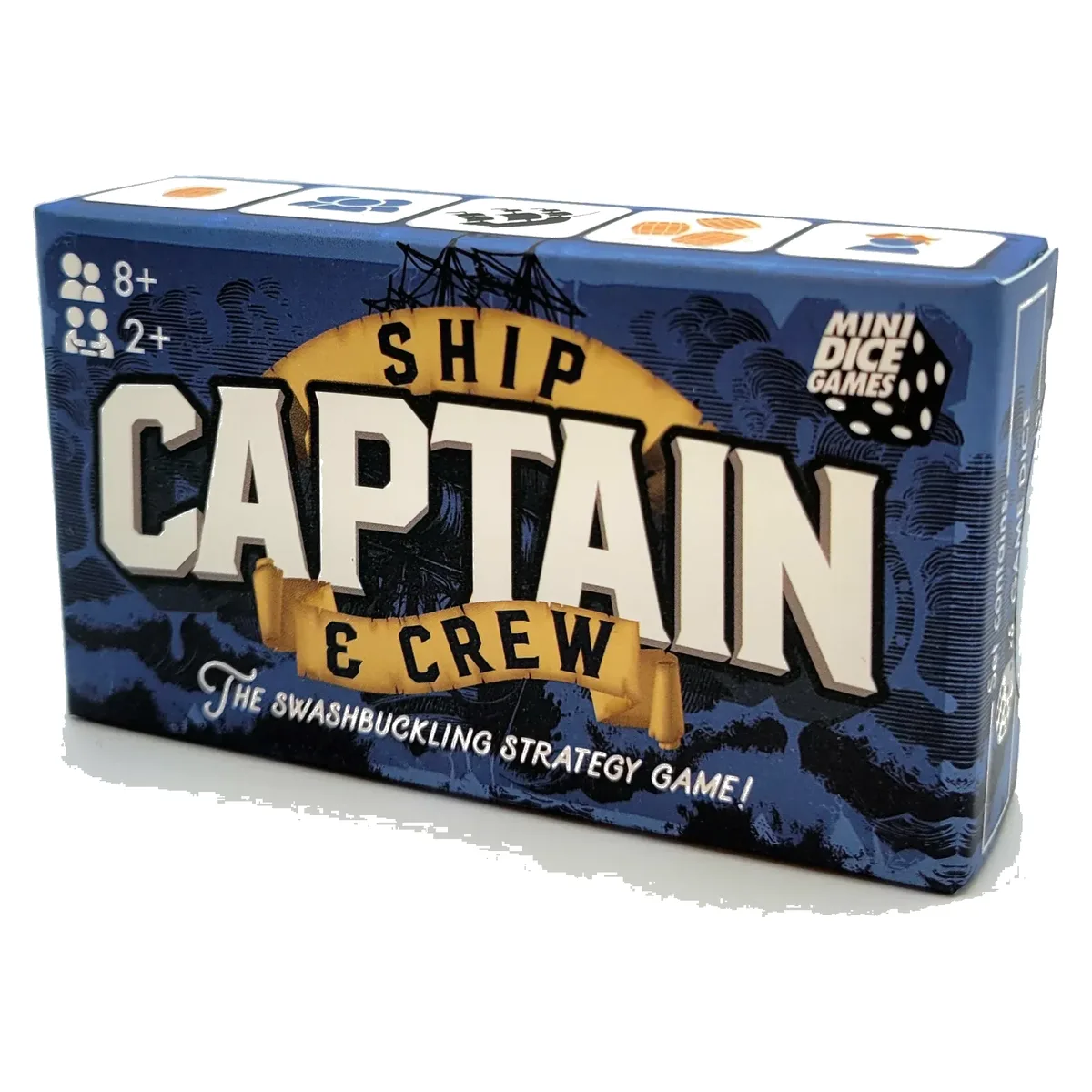
12.Ship, Captain, Crew
2 or more players
Under 15 minutes
Ages 8
Five ordinary dice and a rule everyone remembers differently.
Roll a six, then a five, then a four, in that order, and score with what is left.
A bar game with no publisher, and worth knowing because it needs nothing you do not already have. If you own five dice you own this game. The boxed sets add a cup and a felt mat and nothing else.
SuitsAnyone who wants a wagering game that travels in a pocket.
The catchThe rules fracture depending on who taught you. Whether the six, five and four must arrive in order is the main disagreement, and it changes the game enough that two people can play a whole round at cross purposes.
What our tools do hereGetting a six, then a five, then a four inside three rolls is harder than the table thinks. Five dice and thirty rolls will show how often a turn produces nothing at all.
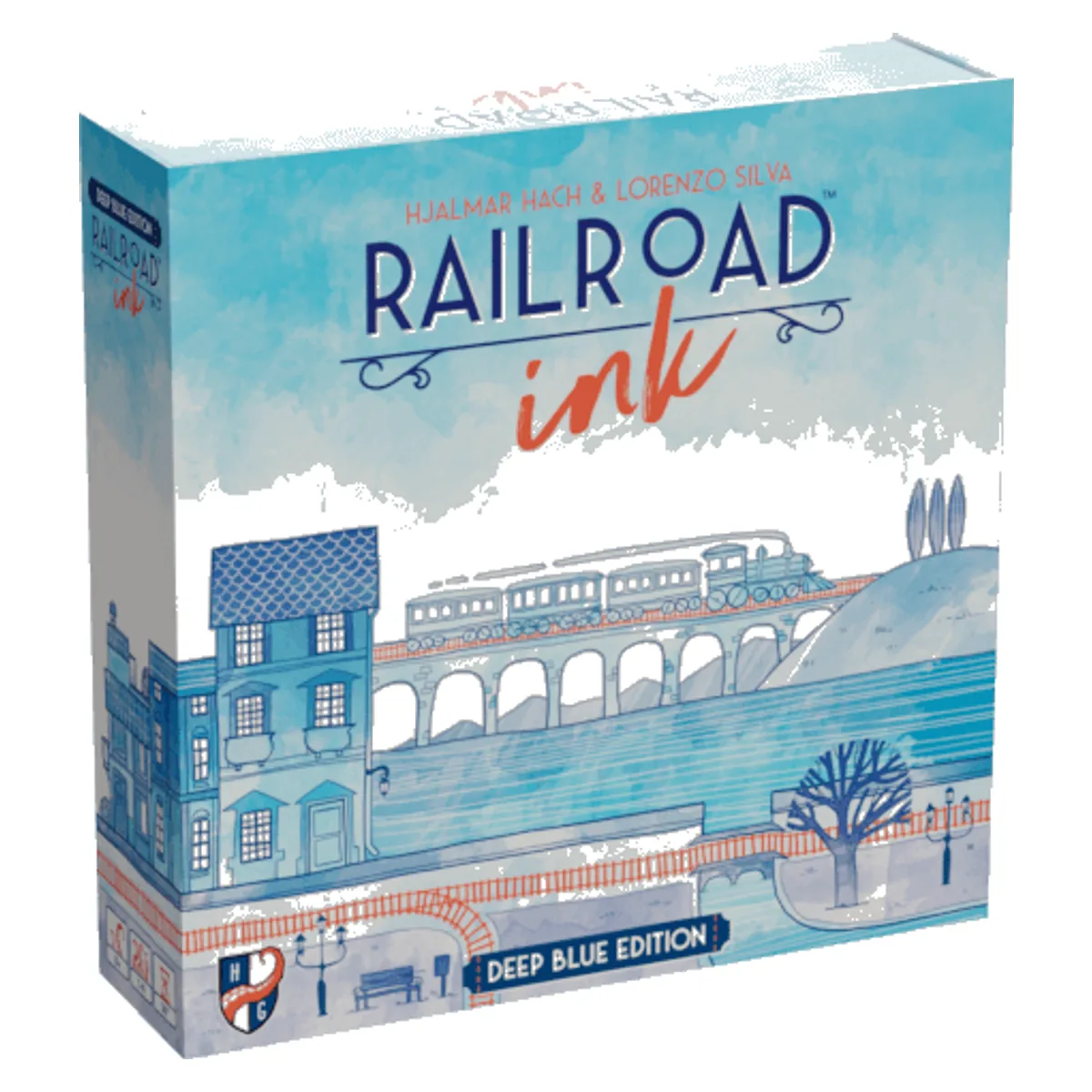
The only one of the popular write-and-draw games that uses dice.
Four dice show road and rail pieces, everyone draws the same four on their own grid.
Worth separating from the games it gets shelved beside. Welcome To and Cartographers are sold in the same breath as roll and write games and neither uses dice, they use cards. This one does, which is why it is here and they are not.
SuitsUp to six players at once, and solo, which almost nothing else here manages.
The catchNothing anyone does affects anyone else. Every player draws the same four symbols on their own board, so it is six people doing a puzzle at the same table, which some owners enjoy and others find pointless.
What our tools do hereThe dice are the four route pieces, and knowing which combinations recur shapes how you leave your edges. Four dice, thirty rolls, and the common pairs become obvious.
The boards are dry-erase and reusable, which is worth knowing next to Welcome To, where the pads run out and owners end up laminating the sheets themselves.
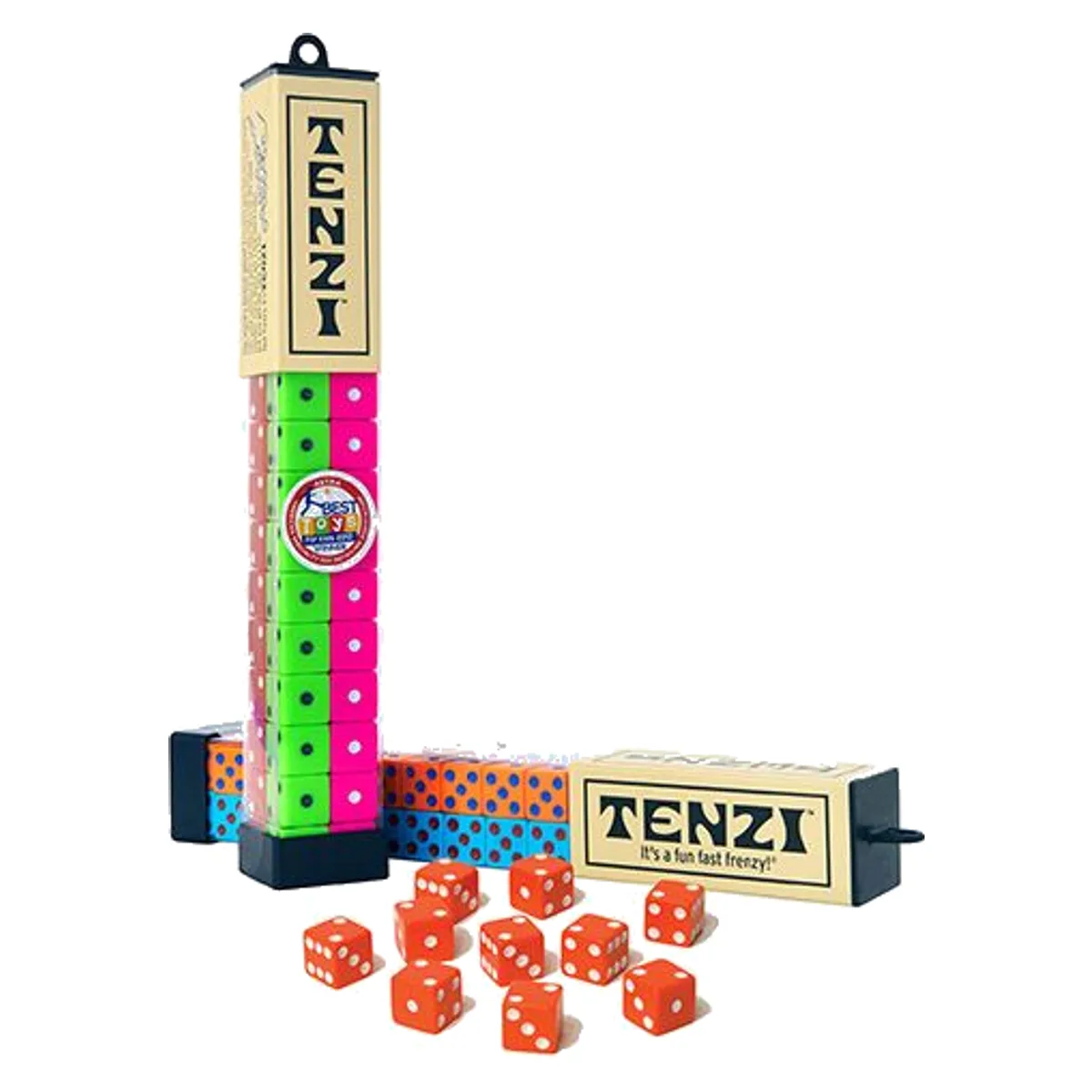
Forty dice in a bag, and the price is the whole argument.
Everyone rolls ten dice at once, over and over, until all ten match.
The fastest game here and the one with the least in the box. It is genuinely good with children, because nobody takes turns and nobody can be behind for long. Whether forty dice justify the price is the question every review ends on.
SuitsSmall children, noisy rooms, and anyone who wants a game that takes ninety seconds.
The catchYou are buying forty ordinary dice in a cloth tube. Owners defend it by pointing at the variant cards and by playing it as a dexterity game with stacking, which tells you the base game needs help.
What our tools do hereTen dice, all matching, is a longer wait than it sounds. Roll ten on screen and count the rerolls. It is more than anyone guesses.
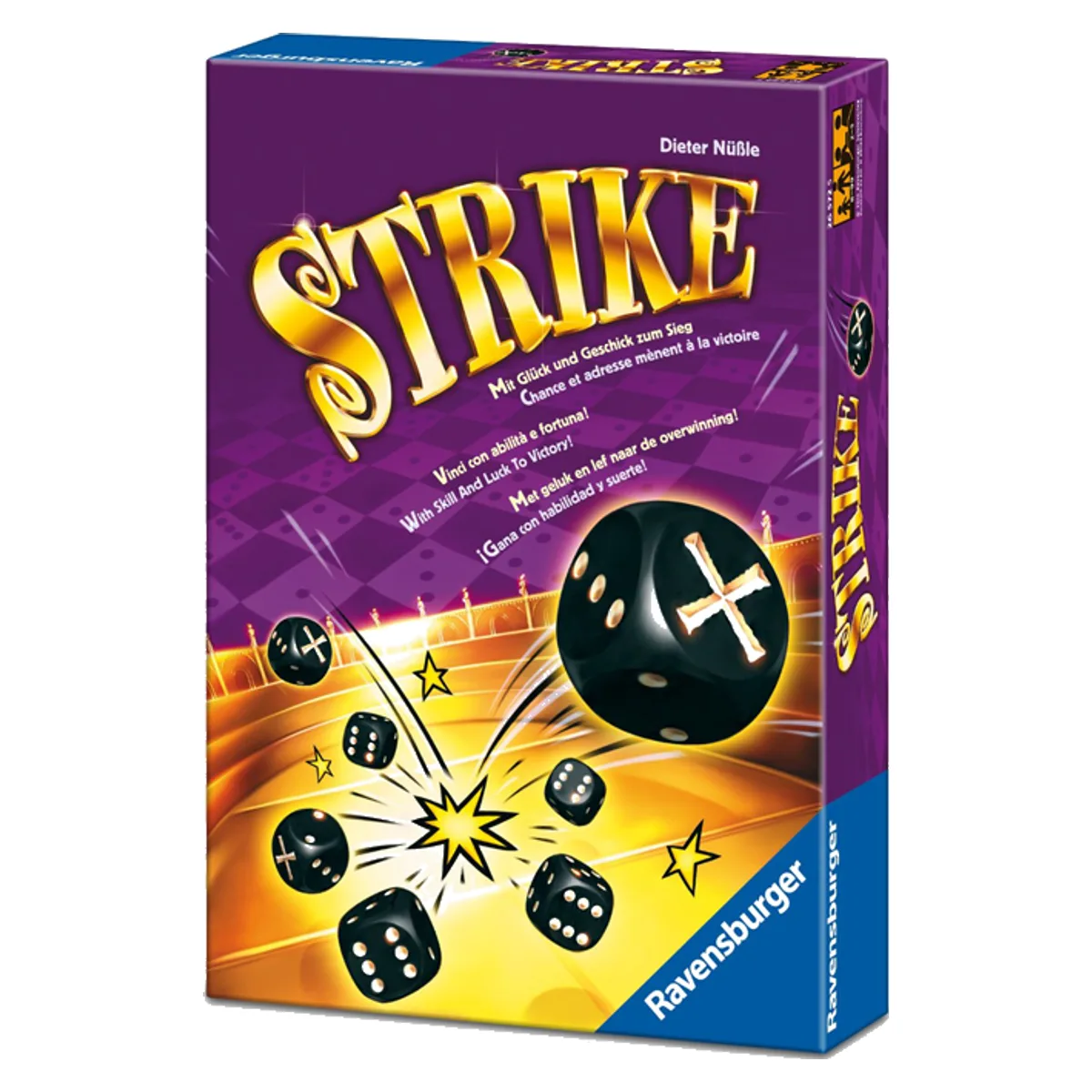
You throw dice into a box and grab what matches. That is it.
Throw dice into the arena, keep matches, and lose everything if you throw badly.
Underrated by the people who dismiss it and correctly described by the people who own it. There is no strategy worth the name. What there is instead is noise, and a table of people leaning in, which is a different thing to buy.
SuitsLoud groups and children. A palate cleanser between heavier games.
The catchIt goes stale quickly. There is one decision, whether to throw again, and after a dozen rounds the group has seen everything it does. The box is also an awkward size for travel despite the game being tiny.
What our tools do hereNothing here needs a tool, and that is worth saying plainly. Roll physical dice into a box, which is the whole product.
The step up
Eight games for when the short ones have stopped surprising you. All of them let you do something about a bad roll, which is the whole reason they can justify ninety minutes.
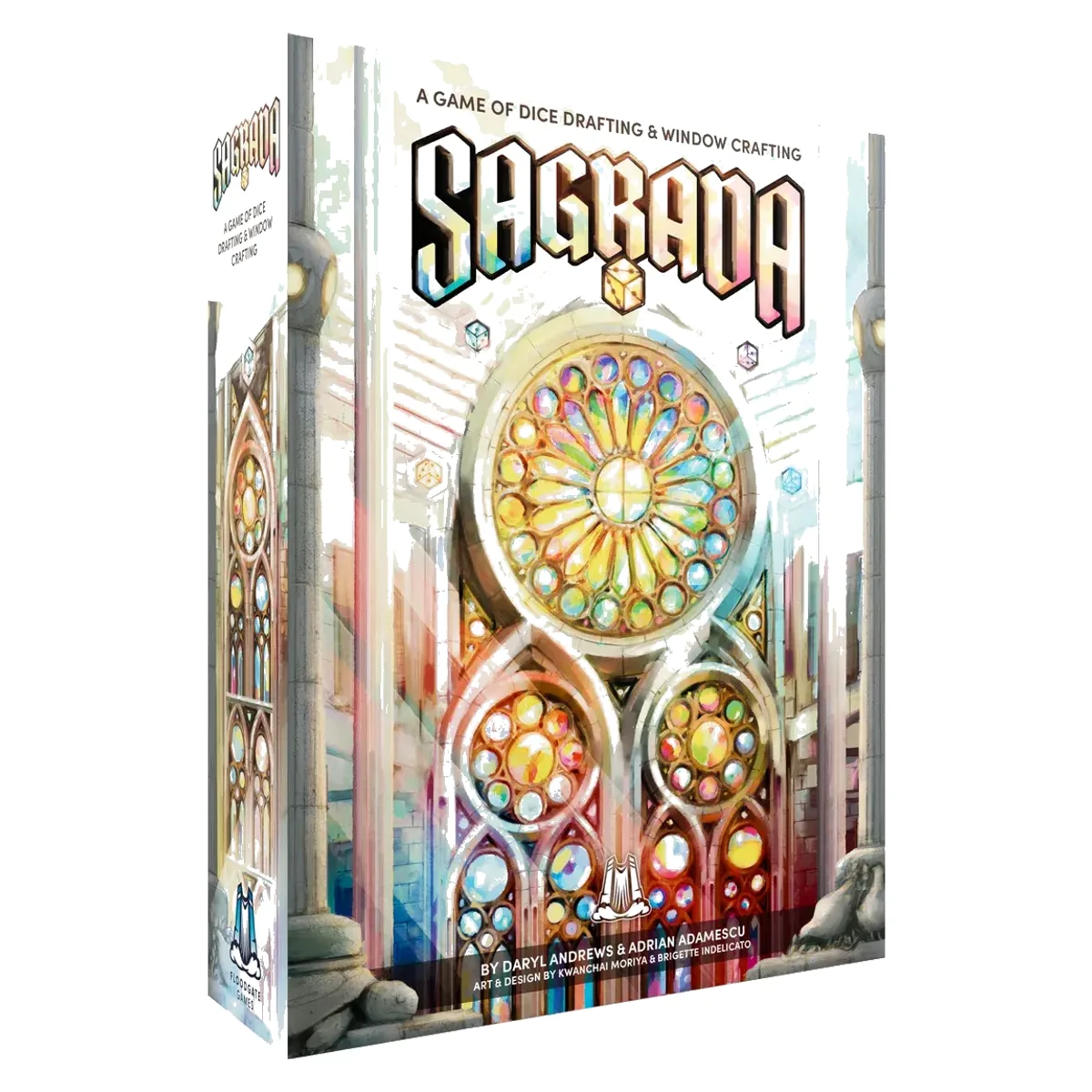
A dice puzzle with a real accessibility problem in older copies.
Draft coloured dice and fit them into a stained glass window without repeating a colour or number.
The best-looking game on this page and the most divisive. Half the people who play it call it competitive sudoku and mean it kindly. The other half find it a puzzle that happens to have other people sitting nearby.
SuitsSolo players and couples who want something to solve rather than someone to beat.
The catchColourblind players cannot reliably tell the blue dice from the purple ones, and this comes up over and over rather than occasionally. A dedicated accessibility review flags the same pair. Owners work around it by rolling on white paper, and the newest edition changes the dice.
What our tools do hereDrafting means knowing what is likely to still be in the bag. Roll the same colour mix a few times to see how often the colour you are waiting on actually appears.
17.That's Pretty Clever
1 to 4 players
About 30 minutes
Ages 8
The chains are the point, and then you find the best chain.
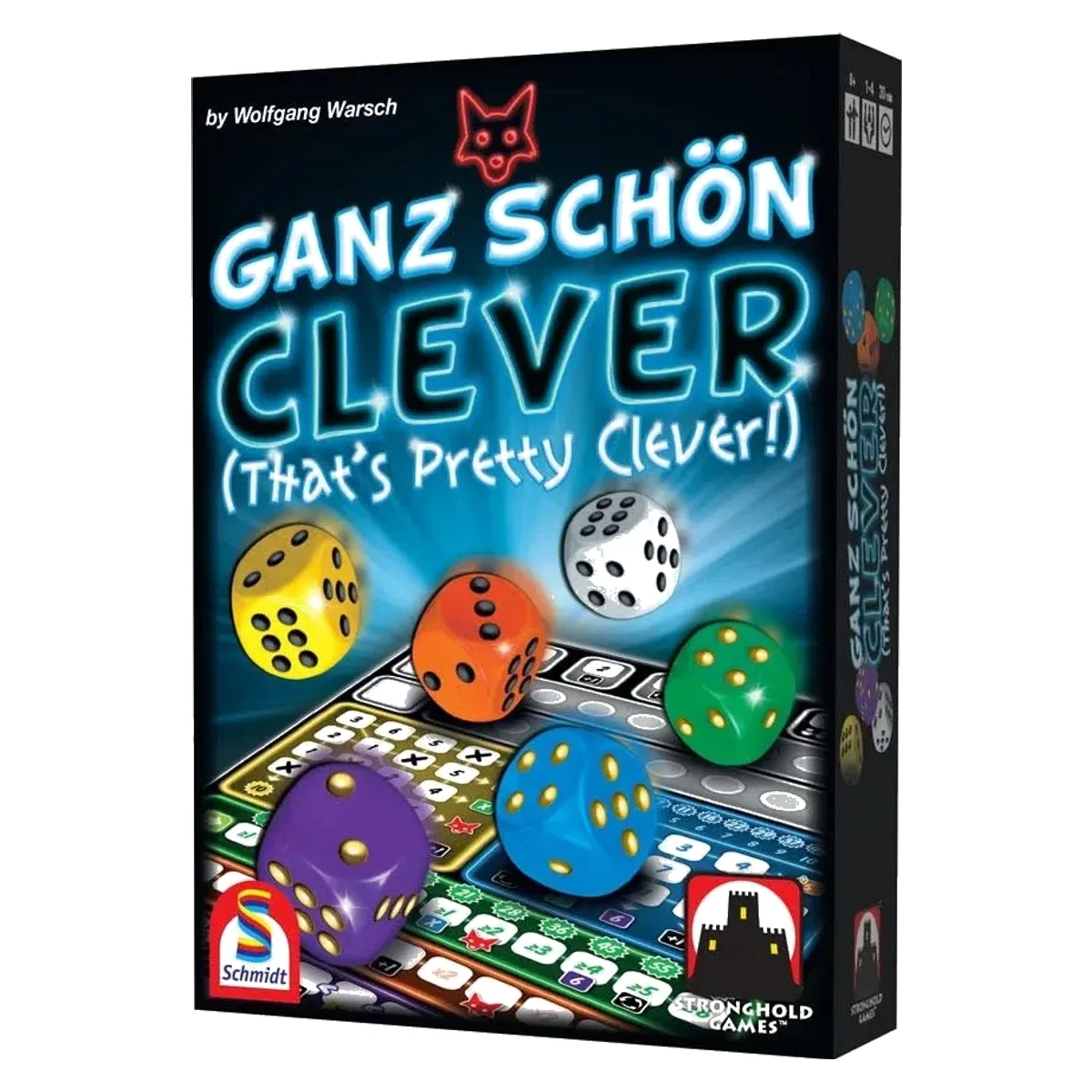
Pick dice, cross off boxes, and set off chains of bonuses across five colours.
The most satisfying scoring on the page while it lasts. Setting off a chain that fills half your sheet in one move is the reason people love it, and it is also why the game has a shelf life.
SuitsTwo players or solo. It gets thinner the more people are at the table.
The catchIt is solvable, and once solved it is over. Players report finding a near optimal opening after a handful of games, and after that every game starts the same way. The sequels are the same game in different colours.
What our tools do hereWhether to take the low die and pass the good ones down is the whole decision. Six dice on screen shows how often the leftovers are worth having.
18.The Castles of Burgundy
2 to 4 players
90 minutes
Ages 12
The heaviest game here, and owners are blunt about the length.
Roll two dice each turn and use them to claim and place hex tiles.
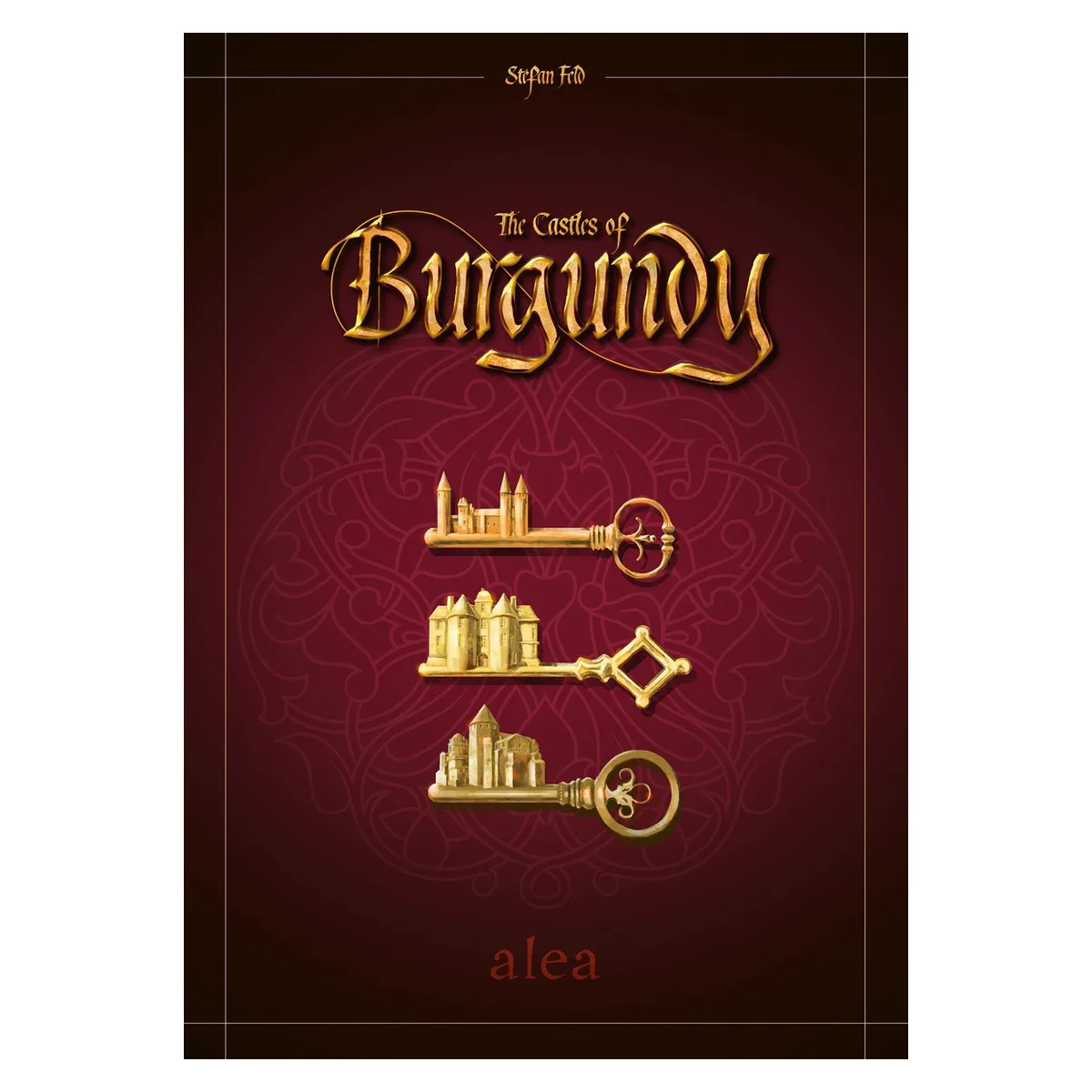
The best answer on this page to anyone who says dice games have no depth, and by far the biggest commitment. Almost everything you roll can be spent some other way, which is what the mitigation argument is really about.
SuitsPlayers who already own several games and want dice inside a proper euro.
The catchTwenty-five turns each, five phases, and owners who dislike it say the same two things: it looks drab and every round feels like the last one. At four players with a slow table it runs well past ninety minutes. The light green tiles also cause colourblind players trouble.
What our tools do hereTwo dice, and the whole game is what you can do with a bad pair. Roll two and count how often you get the numbers you hoped for. It is lower than the table assumes, which is the point of the mitigation rules.
19.Roll for the Galaxy
2 to 5 players
30 to 60 minutes
Ages 13
A good game hiding behind icons nobody can read.
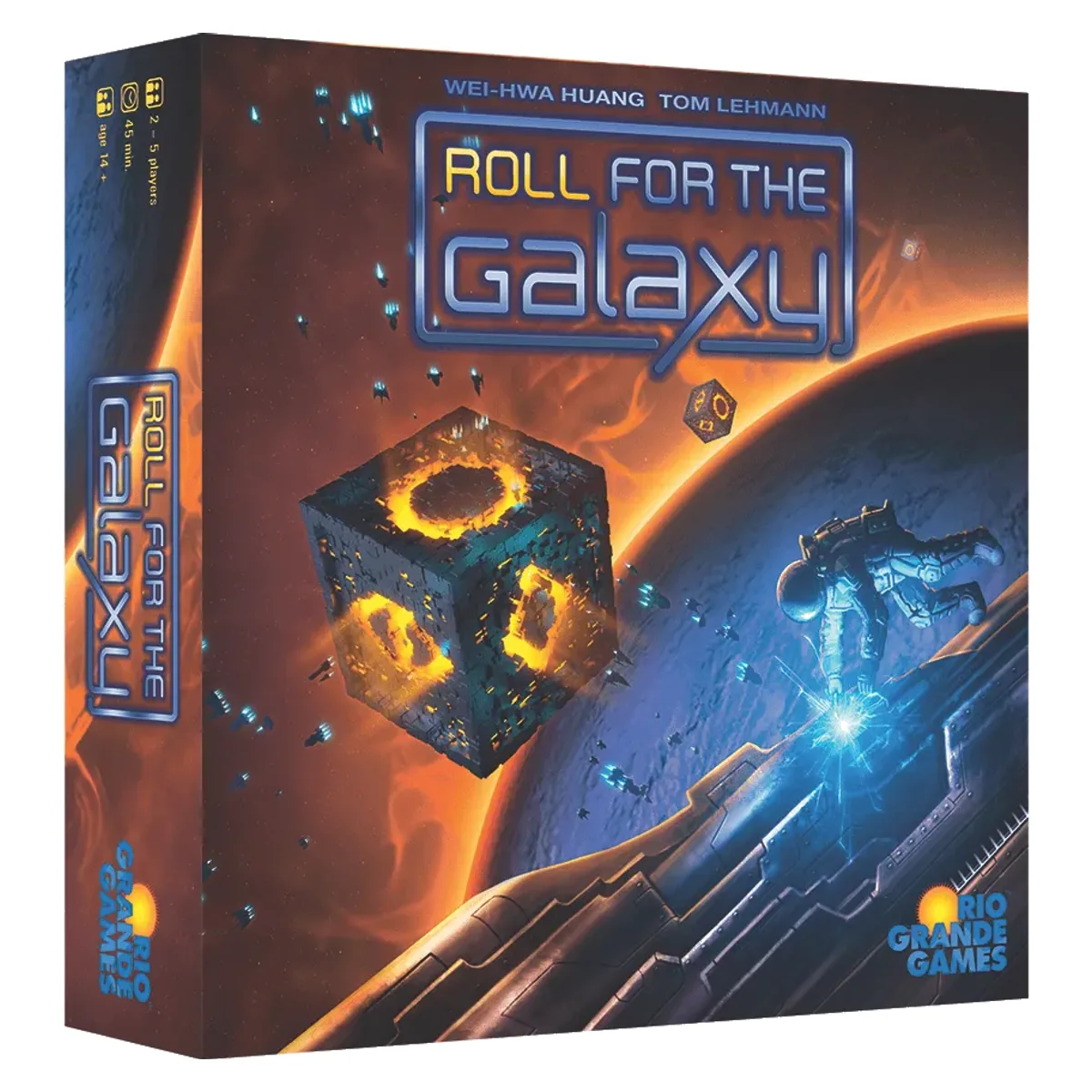
Dice are workers. Assign them secretly, reveal together, build an empire.
Everyone plays at once, so a five player game runs as fast as a two player one, which almost nothing else at this weight manages. It is also the hardest thing here to teach, and the difficulty is entirely in the symbols.
SuitsGroups who already like euros and will put in two games before judging it.
The catchThe iconography defeats people. Owners who love it still keep the reference sheet out, and there is a well-known thread whose title is simply an owner asking why they hate a game everyone else praises. If the icons do not click, nothing else does.
What our tools do hereYour dice come out of a cup, so what you can do is what you happened to draw. Rolling mixed sets shows how uneven those draws are before you plan a strategy around them.
20.Dice Throne
2 to 4, up to 6 in the larger set players
20 to 40 minutes
Ages 8
Battle Yahtzee, and a bad roll means your turn did nothing.
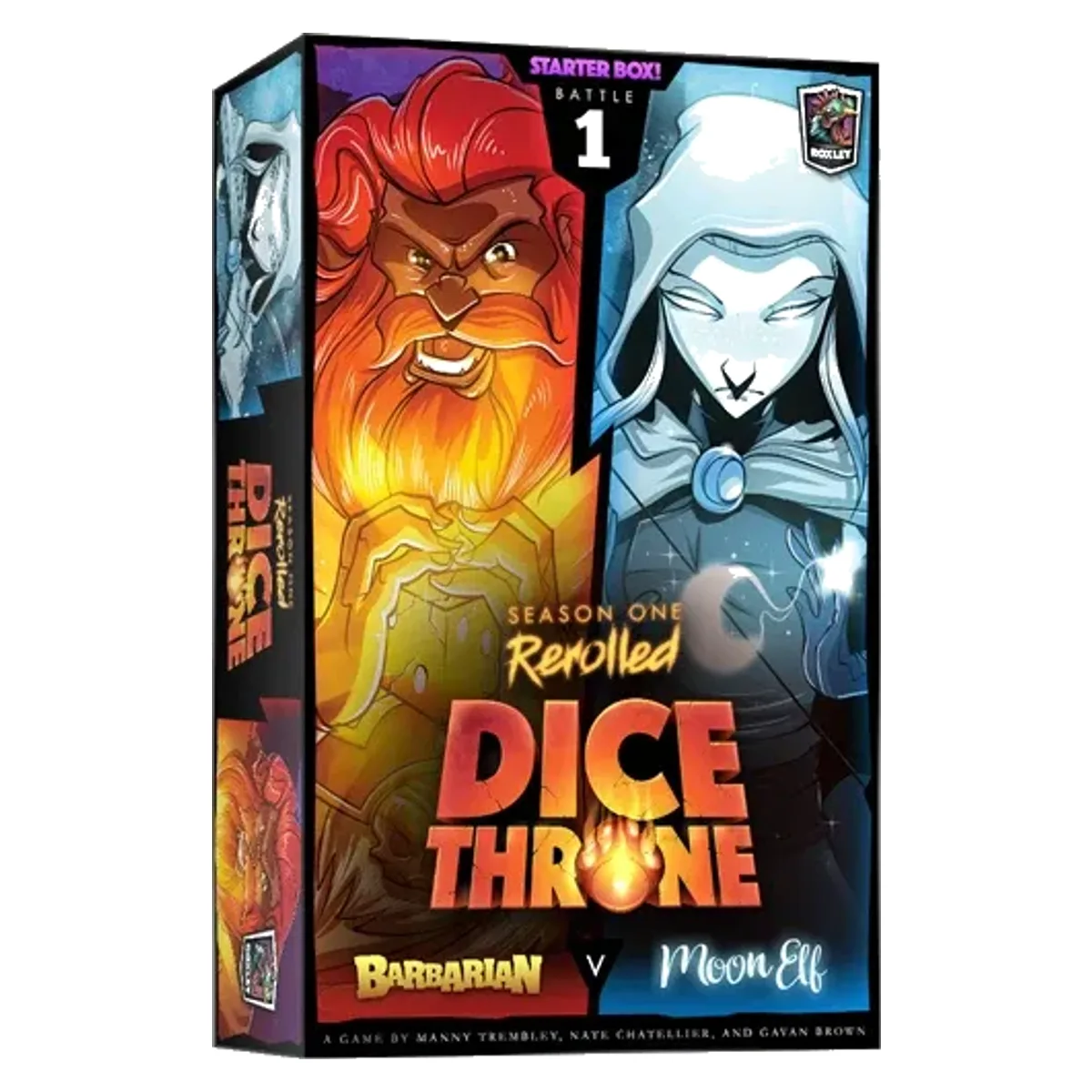
Two players roll Yahtzee-style hands to trigger attacks from asymmetric characters.
The most game on the page for two players, and the most fiddly. Owners with a hundred plays report matches that come down to a few hit points, so the balance is better than it looks from outside.
SuitsTwo players who want a fighting game and will learn one character properly.
The catchA whiffed turn is dead time for both people. When three rolls produce nothing your entire turn does nothing, and the player opposite has to sit and watch it happen. Owners also describe it as fiddly with walls of text on the cards.
What our tools do hereEach hero wants particular combinations, and knowing which are realistic decides who you play. Five dice with three rolls answers it in a few minutes.
You get something on other people’s turns, which is the whole design.
Buy ships onto numbered slots, then score whenever anyone rolls that number.
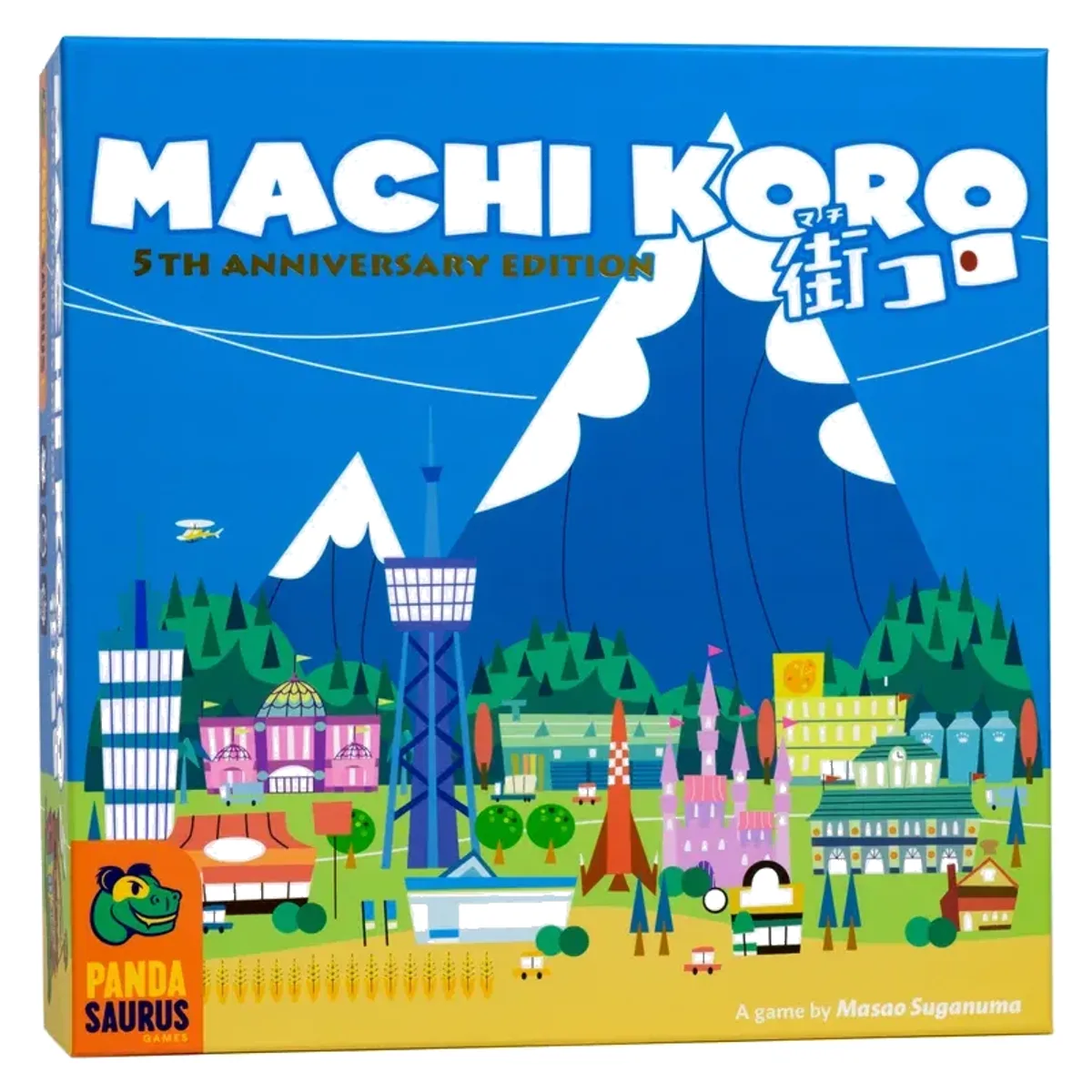
The answer to the complaint that ruins Machi Koro. Every roll at the table pays somebody, including you, so the long stretches of watching other people build while you get nothing simply do not happen. Owners describe it as the Catan itch without the Catan problem.
SuitsGroups of four or five who want everyone involved on every roll rather than only on their own turn.
The catchThe board state gets busy. Each player ends up with a row of a dozen cards in two tiers, and working out what an opponent just triggered means reading their whole mat. At five players that is a lot of table to scan every roll.
What our tools do hereWhich slots to buy is entirely about which totals two dice produce. Roll two a hundred times, look at the shape, and the pricing of the board suddenly makes sense.
You physically pry the faces off your dice and replace them.
Buy better faces, snap them onto your dice, and roll the dice you built.
The one entry here where the fix for a bad roll is to rebuild the dice. Everyone rolls at the same time on every turn, so nobody waits, and the pleasure of levering a face off and clicking a better one on is a real part of why people keep it.
SuitsFamilies who want the toy element, and anyone who has ever wished they could do something about their dice.
The catchThe plastic faces come loose. Owners report them popping off in the box between sessions, which means sorting them back onto the right dice before you can start, and a lost face is not easily replaced.
What our tools do hereThe whole question is what a die is worth once you have upgraded it. Build the same faces on screen, roll a hundred times, and you can compare two upgrade paths before spending on either.
The only game here where you can buy the dice out of an opponent’s hand.
Dice are your citizens. Spend them on actions, or pay to take somebody else’s.
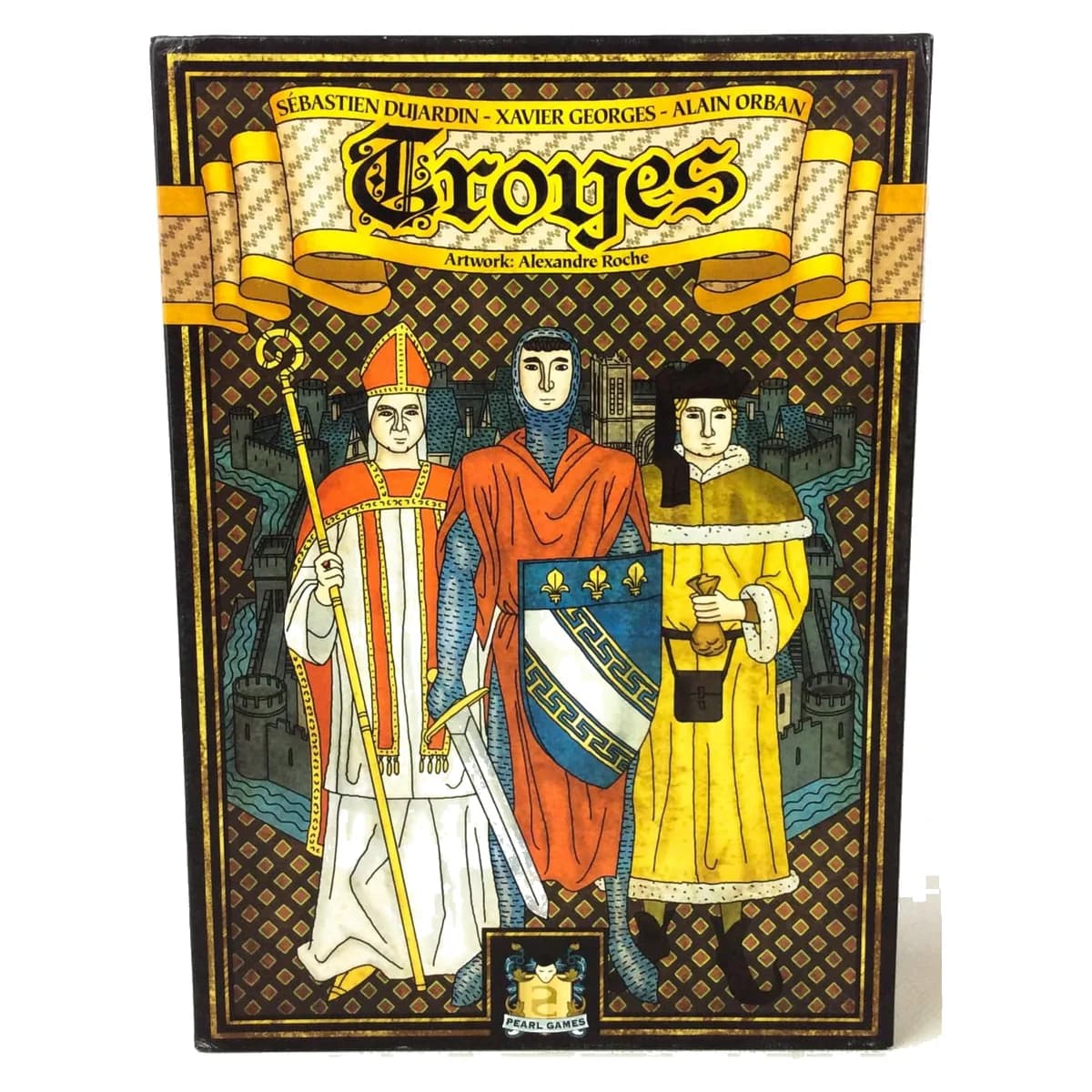
The heaviest game on this page and the most interesting thing anyone does with dice. Buying a die off the player next to you, with no way for them to refuse, turns a bad roll into somebody else’s problem. Players who like euros keep calling it the best of them.
SuitsExperienced players who already own Castles of Burgundy and want the next thing.
The catchThe rules are dense and the iconography assumes you have played a euro before. The first game is largely spent looking things up, and at ninety minutes that is a long evening to spend learning.
What our tools do hereYour citizens are coloured dice and what you can afford depends on what you rolled. Rolling the same mix a few times shows how often a colour you need actually turns up.
⚠️ Do not confuse it with Troyes Dice, a smaller roll-and-write by the same publisher. Searching the plain name mostly returns the French city and its football club.
Three we would skip
Popular, widely given as presents, and we would not buy any of them. Two are too long for how little you control, and one has no decisions in it at all.
You can be out in ten minutes and watching for twenty more.
Monsters fight over Tokyo by rolling Yahtzee-style hands.
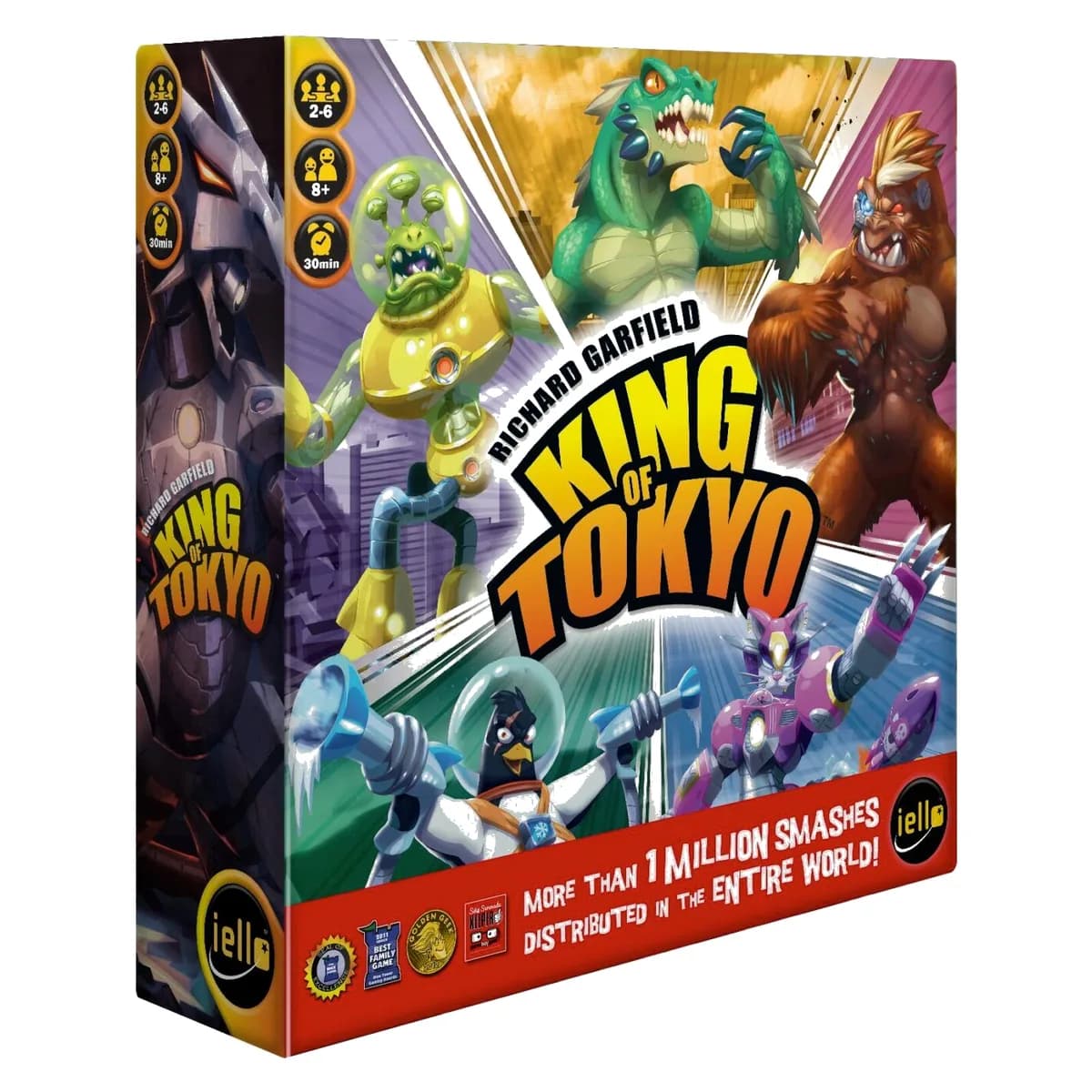
The most popular dice game on this page and the one we would not buy. The description that follows it around is player elimination Yahtzee, and it is accurate. Players who like it are right that it is fast; players who dislike it are talking about the twenty minutes after they lose.
SuitsFamilies with children who do not mind sitting out, and groups of exactly two, where elimination ends the game.
The catchElimination in a game long enough for it to hurt. Get knocked out in the first ten minutes and there is nothing to do but wait, and because everyone attacks whoever is in Tokyo, being unlucky early compounds instead of correcting.
What our tools do hereSix dice with three rolls is the same engine as Yahtzee with different faces. Roll six and count how often you actually get three of a kind.
Players who want this game and not the elimination consistently point at King of New York instead, which we have not covered here.
One bad early roll and the rest is watching somebody else win.
Roll one or two dice to trigger the buildings you own, and buy more.
The clearest example on this page of what unmitigated luck does to a game that runs half an hour. It looks like an engine builder and the engine is decided by early rolls you have no say in.
SuitsNobody we can name confidently, and its own owners recommend buying the expansions with it or not at all.
The catchA runaway leader problem, and it is the phrase owners reach for without prompting. Bad rolls in the first few turns leave you unable to buy anything, and the player who got the good rolls buys the buildings that generate more rolls. It is also close to solved.
What our tools do hereThe whole game is which totals two dice produce most. Roll two a hundred times, look at the shape, and the building choices stop being a mystery.
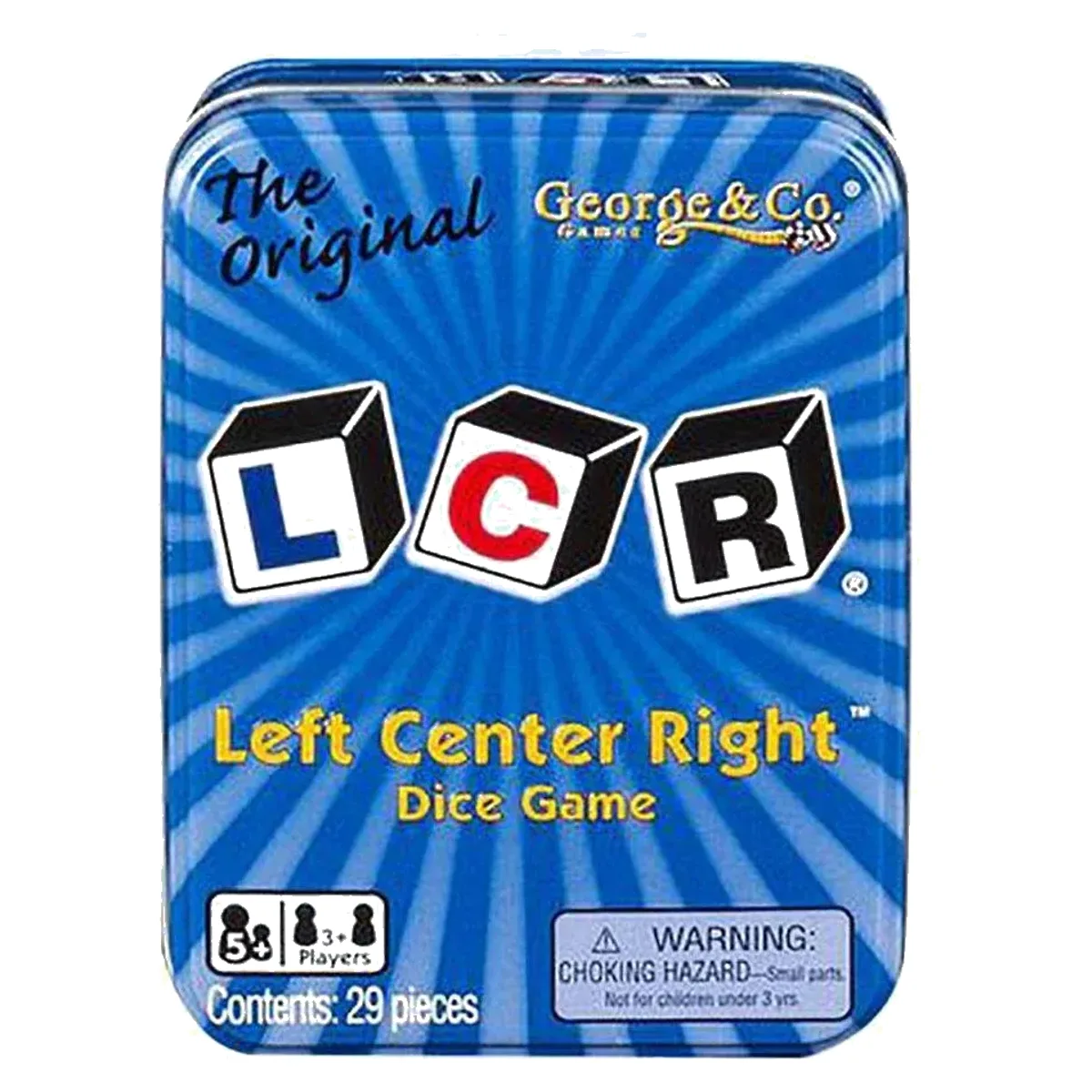
26.LCR (Left Center Right)
3 or more players
10 to 20 minutes
Ages 5
There are no decisions in it. None at all.
Roll three dice, pass chips left, right or to the centre as the dice say.
The one entry here we would tell you outright not to buy as a game. Nobody at the table ever chooses anything: you roll, you do exactly what the dice say, and eventually one person has the chips. It functions as a gambling ritual for a family party and it is honest to call it that rather than a game.
SuitsLarge family gatherings playing for a pot of coins, where nobody wants to think.
The catchIt has no decisions. This is not a criticism of the balance or the length, it is the entire structure: there is no point at which a player influences anything.
What our tools do hereThree dice and no choices, so there is nothing to work out. If you want to know who wins, the Dice Roller will play it for you, which tells you most of what you need to know.
And one that costs nothing
Because the honest answer to "which dice game should I buy" is sometimes that you should not buy one.
27.Skunk
Any number players
10 minutes
Ages 7
Two dice, a sheet of paper, and nothing to buy.
Five rounds spelling S-K-U-N-K. Stand up to keep rolling, sit down to bank. A one wipes the round.
Public domain, free, and it teaches the same decision every push your luck game on this page charges for. Teachers use it to explain expected value to ten year olds, which is a fair description of what Farkle and Zombie Dice also do.
SuitsClassrooms, and anyone who wants to try the genre before spending anything.
The catchThere is no object to own. It is a rule set, so nothing arrives in the post and nobody gets it as a present. Whether that is a drawback depends entirely on why you were buying.
What our tools do hereThis is where the Dice Roller replaces the product completely. Two dice on screen and a sheet of paper is the whole game, with nothing missing.