Everyone plays at once
Six games where every player is writing, drawing or answering at the same moment. Nobody takes a turn, so nobody waits for one, and these scale further than anything below them.
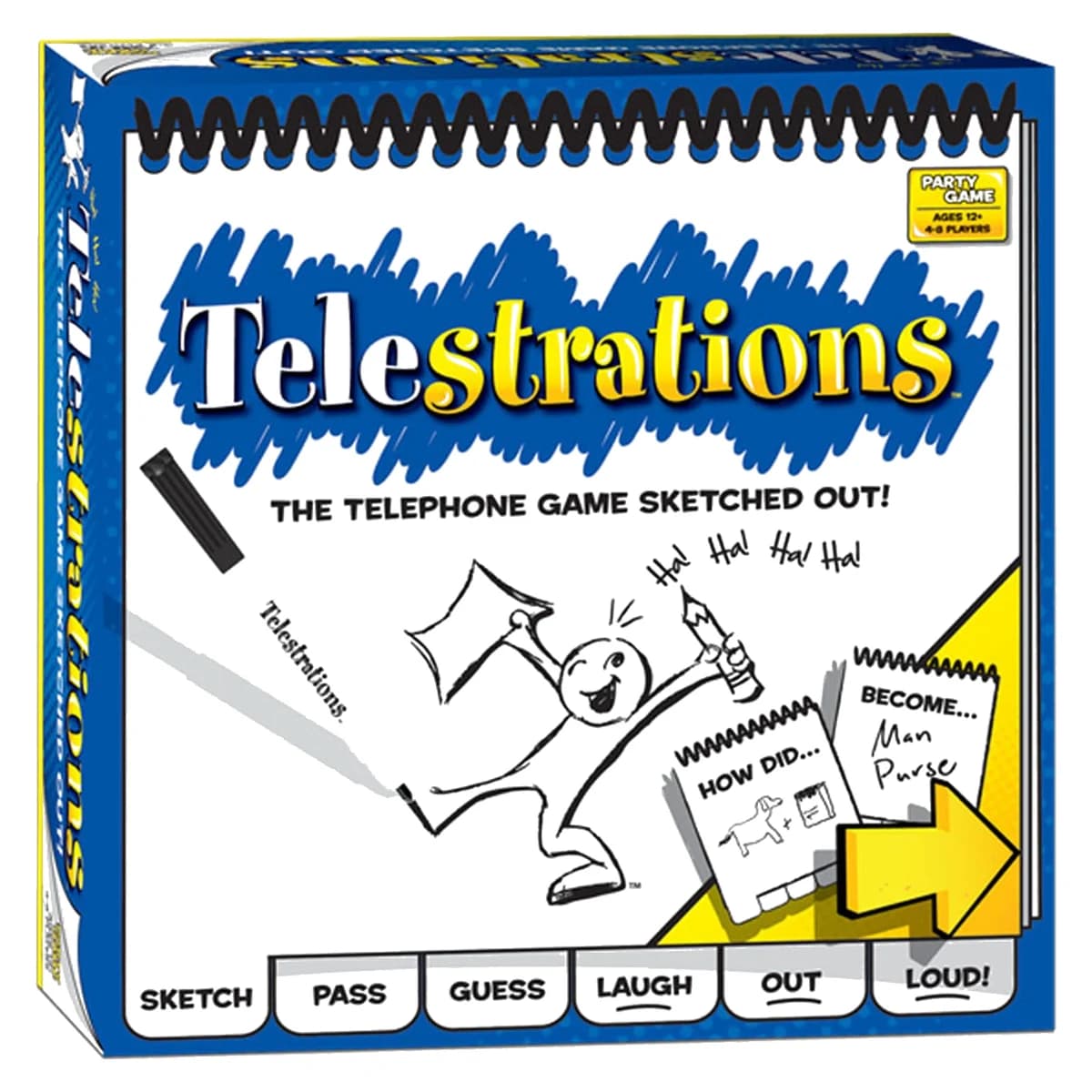
1.Telestrations
Our favorite
4 to 8 players
30 minutes
Ages 12
Broken telephone with pens, and being bad at drawing is the point.
Draw a word, pass the pad, the next person guesses, and the guess gets drawn again.
Our pick, and the reason is structural rather than a matter of taste. Every player draws at the same time, then everyone passes at the same time, so there is no point in the game where somebody has nothing to do. Players who say they hate party games name this one as the exception, and the ones who cannot draw enjoy it more than the ones who can.
SuitsMixed rooms where somebody is shy, somebody is drunk, and nobody wants to be judged.
The catchEight is a hard ceiling and the pads run out. Groups who play often end up buying the twelve-player pack or handing out scrap paper, and the wipe-clean booklets stain after a few dozen rounds.
What our tools do hereThe words in the box repeat faster than anyone expects. Open the Random Word Generator, pull a fresh batch, and write them on blank pages: the game is the drawing, not the deck.
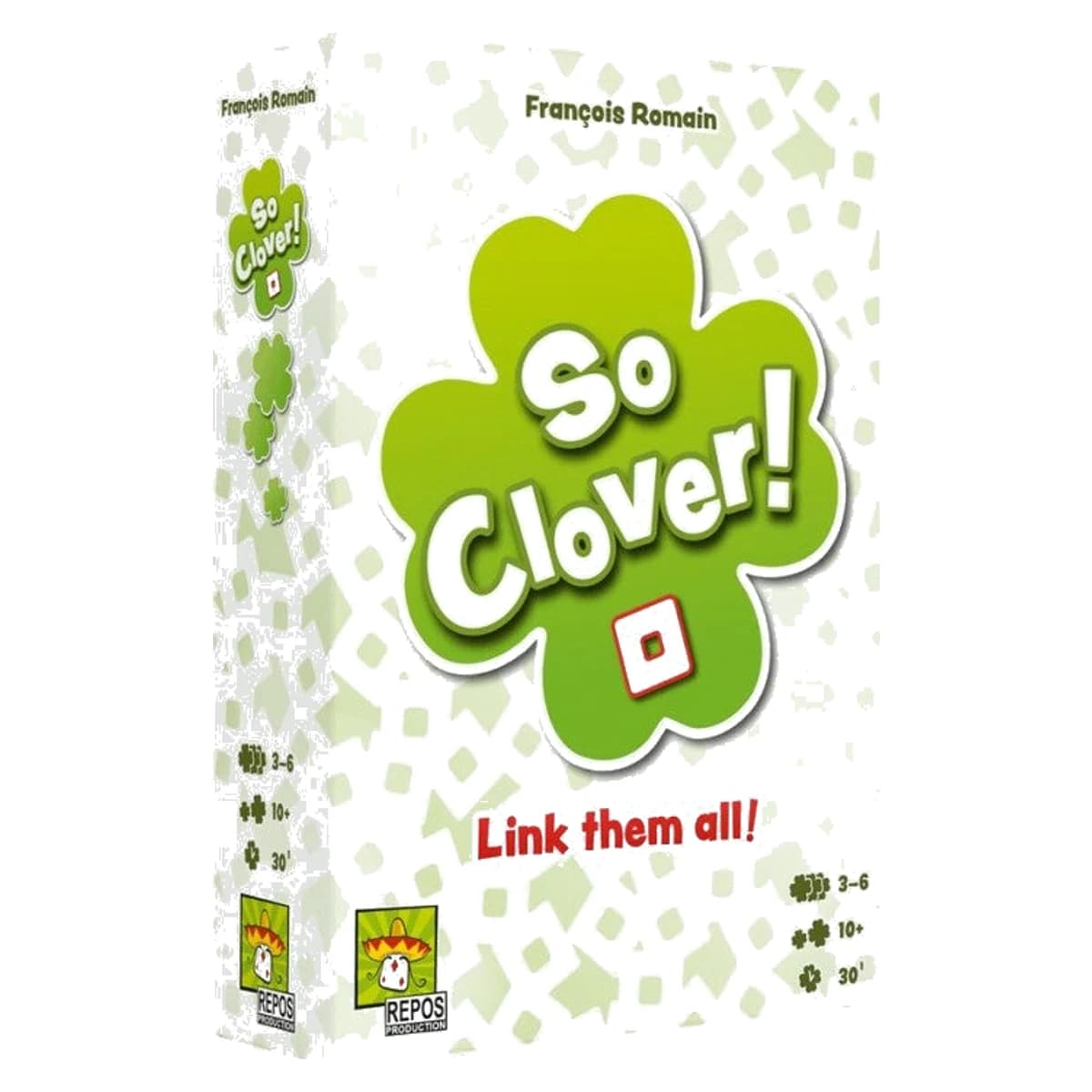
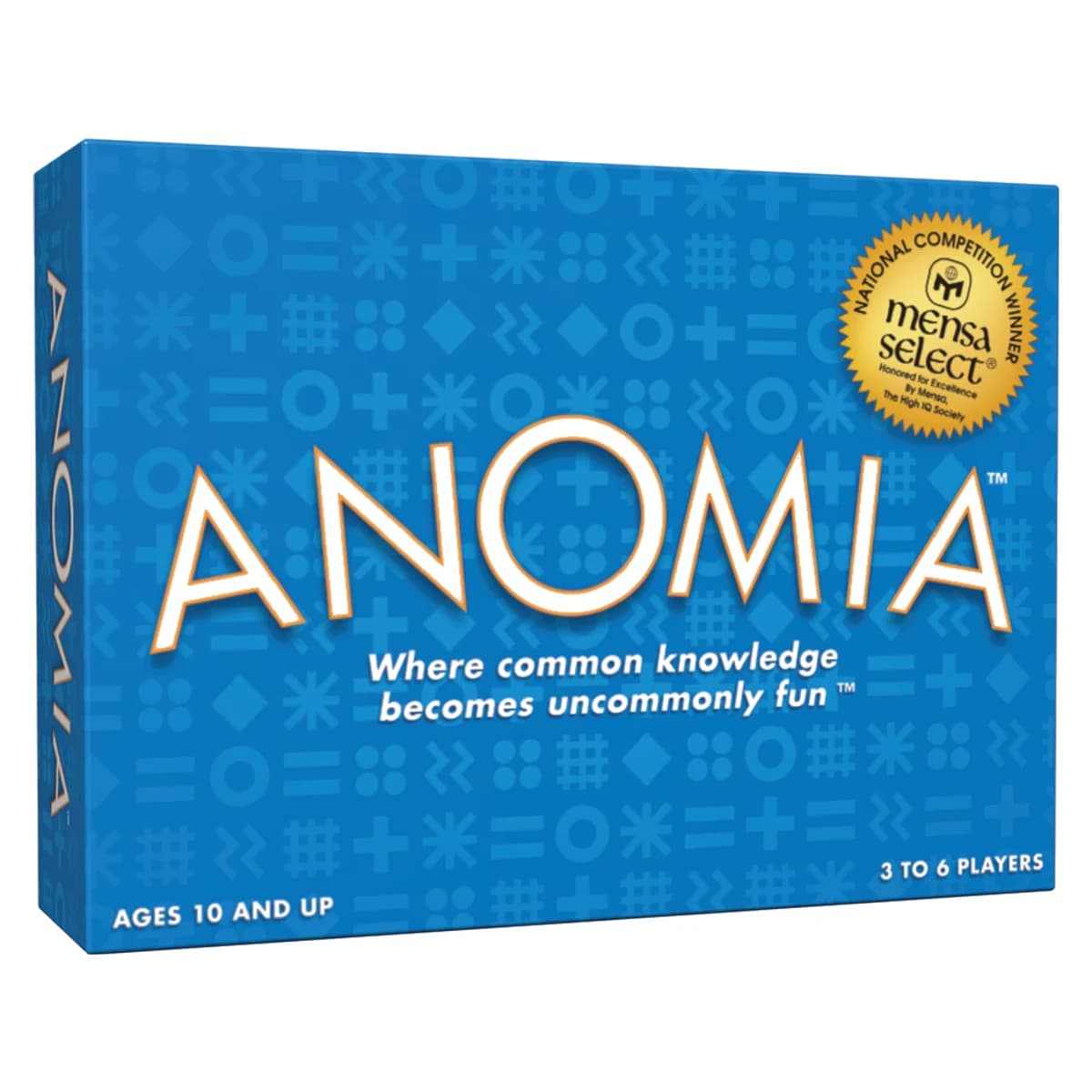
The game that replaced both Codenames and Just One for the people who own all three.
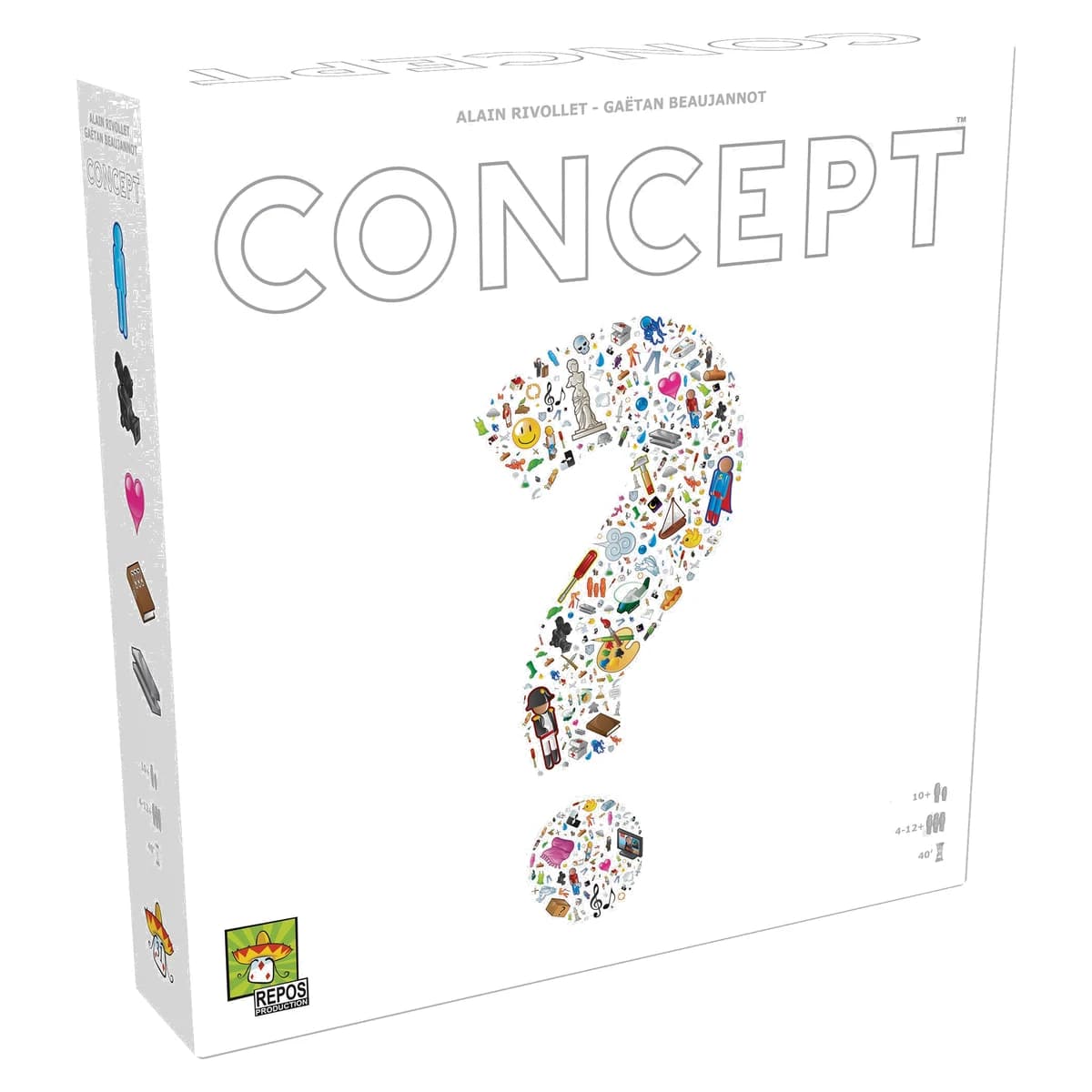
Write a clue linking each pair of words on your board, then the table reconstructs it together.
Cooperative, so nobody loses alone, and every player fills their own board at the same moment. Owners who have all three keep saying the same thing: this one took the best part of Codenames and the best part of Just One and left the waiting behind, which is a strong claim about a small box and comes up too often to ignore.
SuitsGroups of four to six who like a puzzle and do not want teams.
The catchIt caps at six and it is quieter than the rest of this tier. There is a stretch in the middle where everyone is writing and nobody is talking, which suits some tables and kills the mood at others.
What our tools do hereThe published boards run out faster than the box suggests. Four random words from our generator make a fresh clover, and the game plays exactly the same.
The publisher, Repos Production, blocks automated clients, so the player count and time here come from The Family Gamers and The Opinionated Gamers, which agree on 3 to 6 and 20 to 30 minutes.
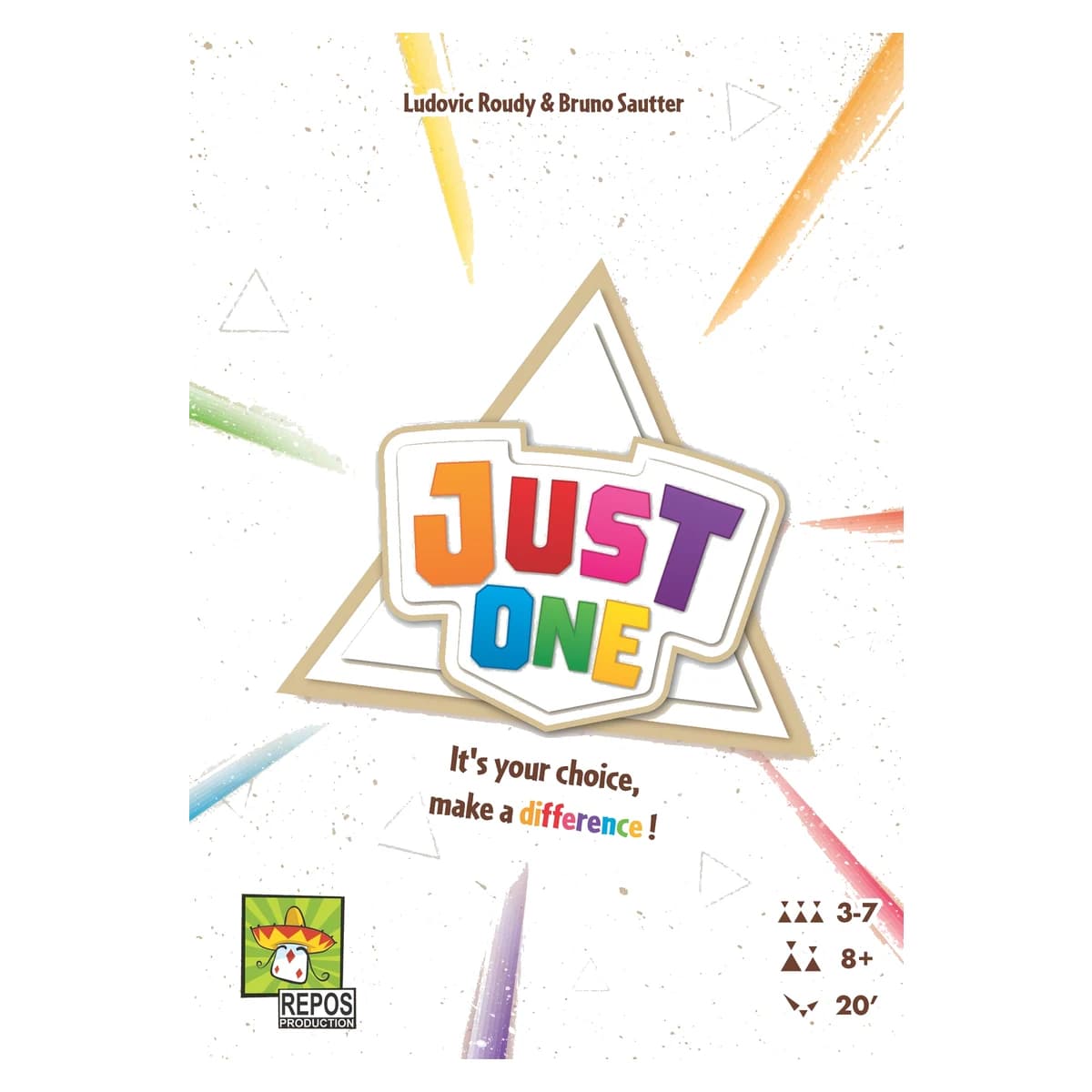
3.Just One
Best when time is short
3 to 7 players
20 minutes
Ages 8
Works the same at seven players as at seventeen, which almost nothing here does.
Everyone writes a one-word clue for the guesser. Duplicate clues cancel each other out.
Most recommended game in the category after Codenames, and the praise always has the same shape: it lets clever players be clever without punishing anyone who is not. The cancelling rule makes the obvious clue a risk. That is a real decision in a game you can teach in one minute.
SuitsAny group at all, including people who have said they do not like games.
The catchExperienced groups find it too easy and house-rule it. The common fix is banning proper nouns or allowing only one guess, which is a sign the base game runs out of tension for people who play it a lot.
What our tools do hereThe box holds thirteen cards a game and a group burns through them. Pull a word from our generator, hold up your phone, and you have another round.
The publisher lists 3 to 7. Players routinely run it far past that with extra whiteboards or scrap paper, and several report playing at 12 and above without changing a rule.
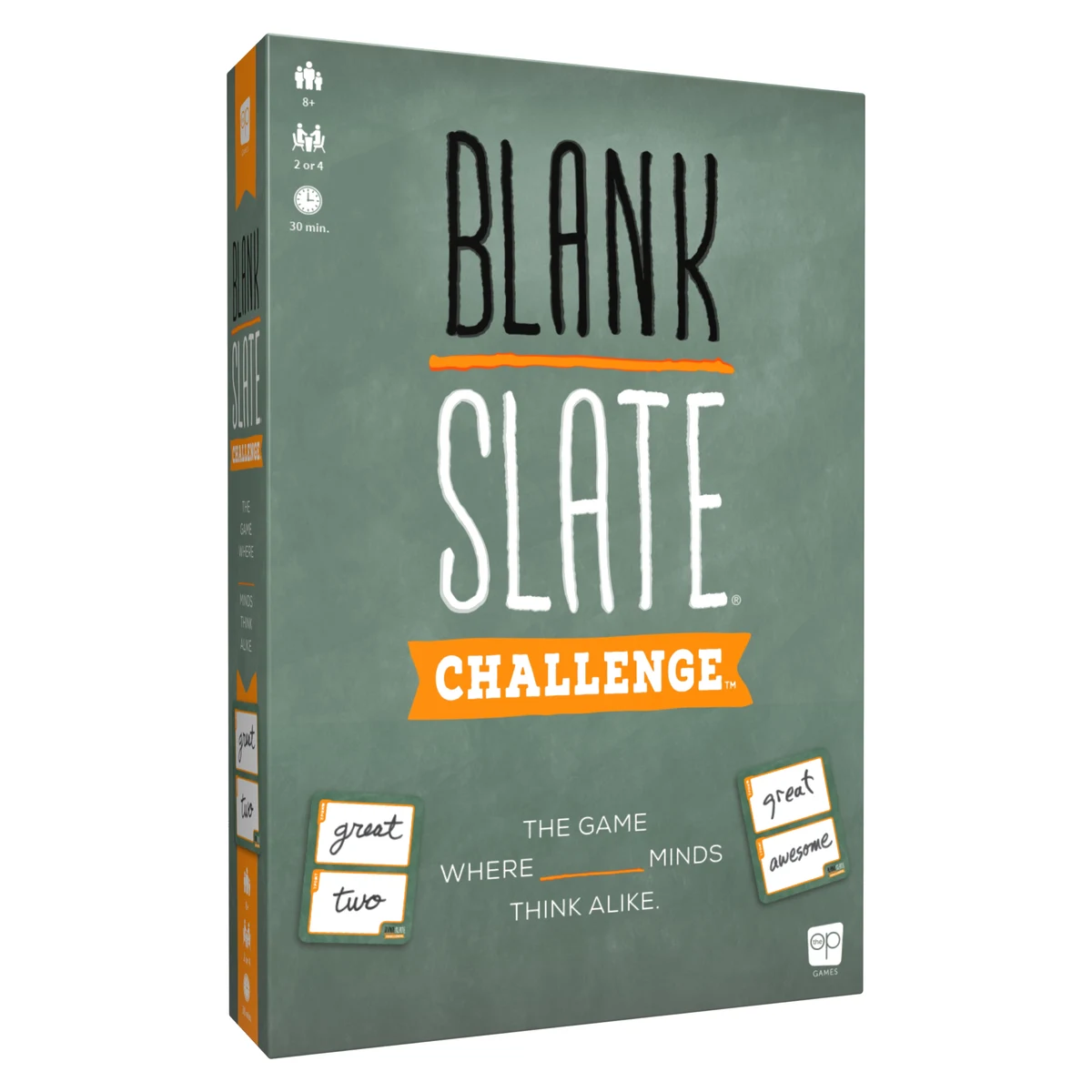
You score only by matching exactly one other person, which is a stranger goal than it sounds.
Fill in the missing word in a phrase, and score when exactly one other player wrote the same thing.
Simultaneous writing, so the room never stalls, and the matching-one rule stops it from becoming a contest to guess the most obvious word. It is the gentlest game in this tier and the easiest to explain to somebody who has just arrived.
SuitsFamily tables with a wide age spread, and rooms where people are still arriving.
The catchScoring is fiddlier than the game deserves. Working out who matched whom takes longer than the round did, and it is the point where a table that was laughing goes quiet and starts pointing at boards.
What our tools do hereThe prompt cards are the whole game and they do not restock. A random word plus a preposition gives you a fresh prompt in a couple of seconds.
The one where the answer is on the tip of your tongue and stays there.
Flip cards, and when two symbols match, race the other player to name something in their category.
Named repeatedly as the one that gets people crying with laughter, and the reason is a real cognitive effect rather than a joke on a card. Knowing an answer and being unable to say it is funnier to watch than any prompt a designer could write. Everyone is watching for their own symbol, so attention never drops.
SuitsQuick fillers, and groups who like a game that runs on nerve rather than cleverness.
The catchIt rewards fast talkers and nothing else. A player who is thoughtful, or whose first language is not English, will lose every duel to somebody who blurts, and there is no mechanism that softens that.
What our tools do hereThe categories are the game and the deck is finite. Our generator gives a starting noun, and turning it into a category is a step everyone at the table can do.
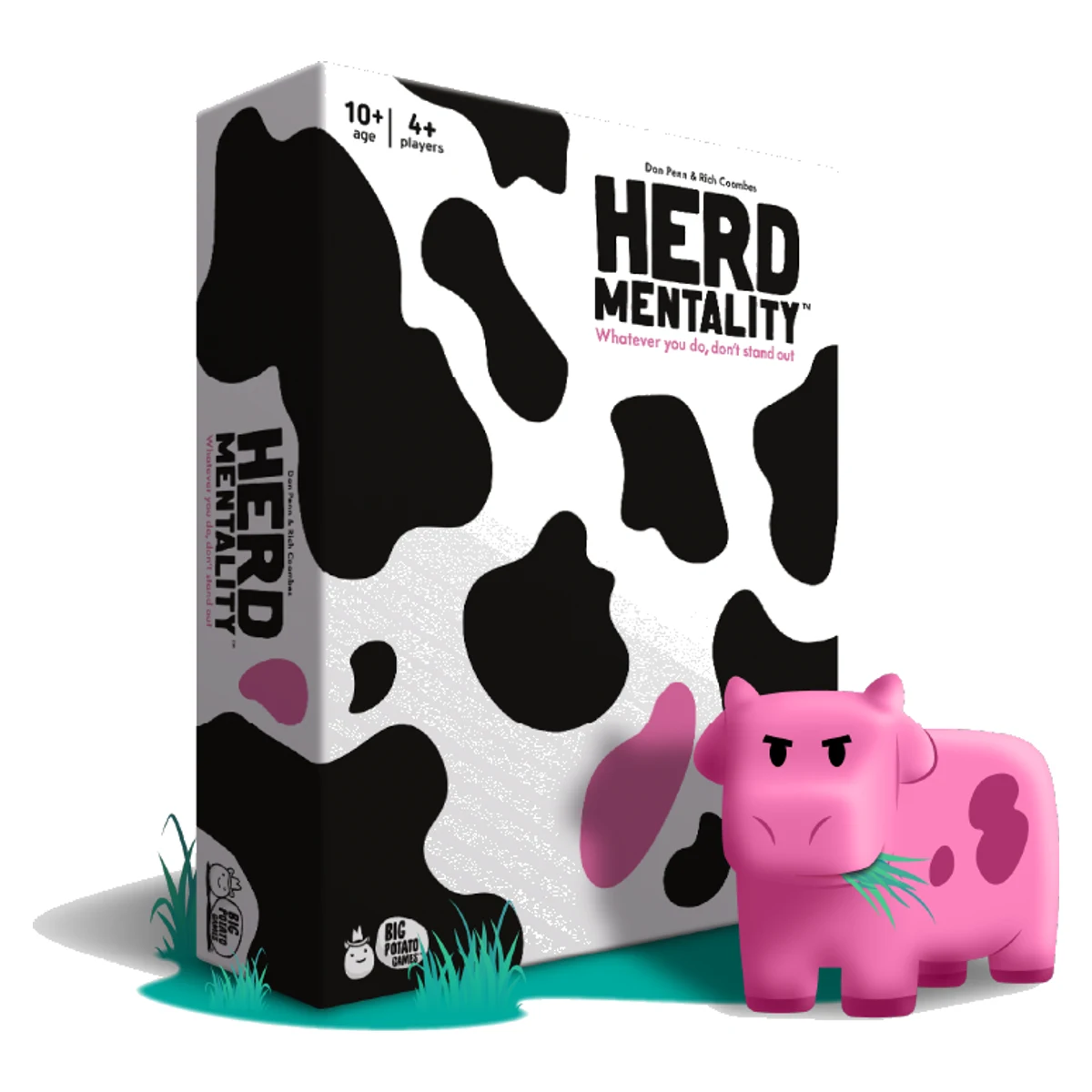
Rewards the boring answer, which is the opposite of every other game here.
Answer a question the way you think most of the table will, and score for being in the majority.
Scales to twenty without falling apart, because everybody writes at once and nobody takes a turn. Being clever loses, and that single inversion is what makes it work in an office or at a family table where the usual party game would leave half the room out.
SuitsBig rooms, work events, and any group where the ages run from ten to seventy.
The catchIt thins out fast with people who know each other well. Once a group has learned what everyone will say, the guessing stops and it becomes a formality, and the pink cow penalty is not enough to carry it.
What our tools do hereThe questions are simple noun prompts. Pull a word from our generator and ask the table to name the first thing they associate with it, and the game runs without the box.
One person performs, the room watches
Five games built around a single player acting, describing or miming. The watching is active here, because the rest of the team is guessing out loud, but a shy player still has a turn to dread.
Three rounds on the same cards, and the third one is charades on a card you already know.
Describe a name, then say only one word, then act it out, using the same deck each round.
Second most talked-about game in the category, and the structure is why. The same cards come back three times. That means the third round is funny for reasons that happened in the first, which is a thing no single-round game can do, and owners describe it as reliably getting the quiet ones out of their shell.
SuitsGroups who already know each other, where an in-joke from round one pays off in round three.
The catchSome cards are genuinely awkward and there is no way to filter them. Owners describe sifting the deck before playing with certain groups, and the references skew heavily American, so a UK or Nordic table loses a chunk of the box.
What our tools do hereThe good house rule is to add your own cards. Our generator supplies neutral words that work in all three rounds, which is the hard part of writing them yourself.
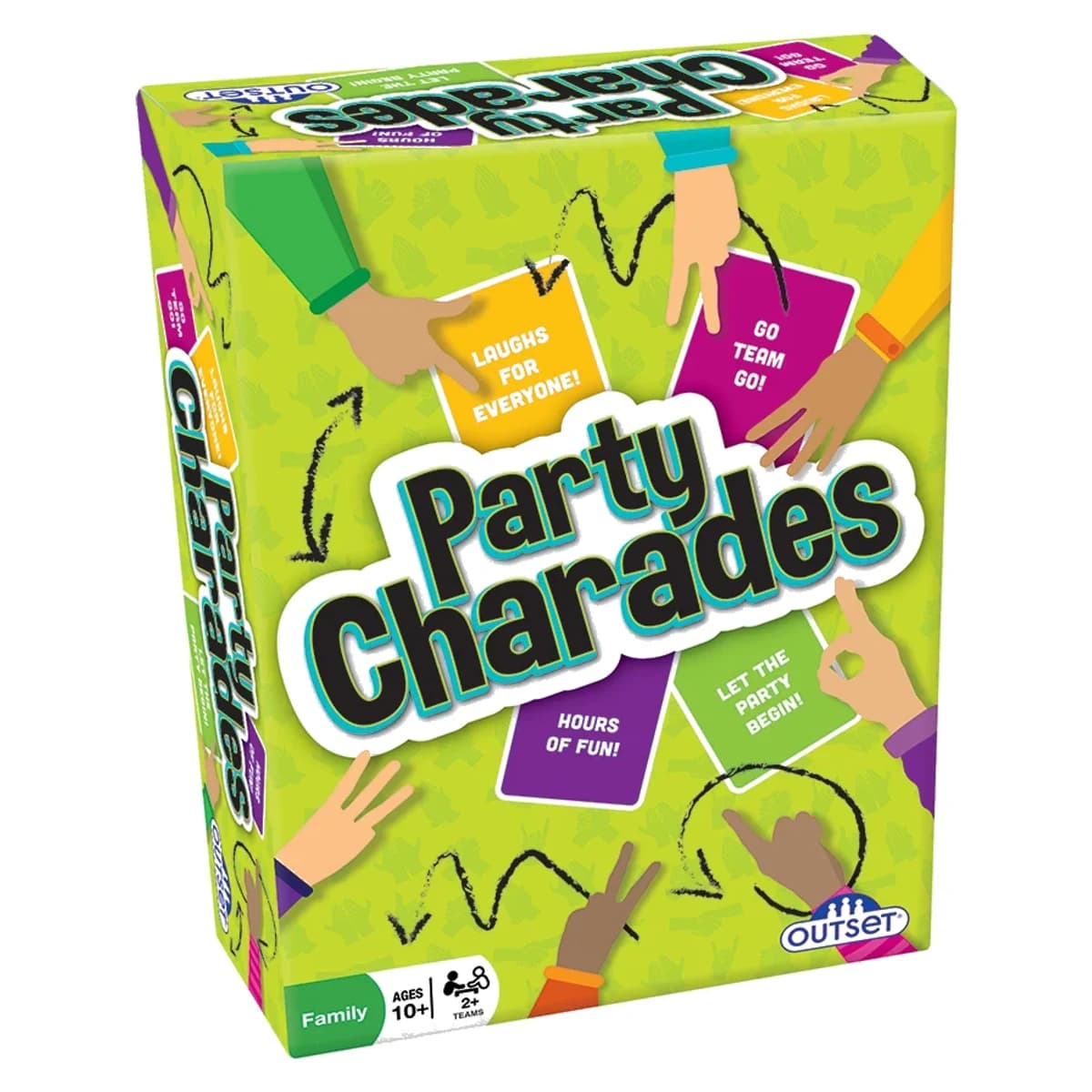
8.Charades
Any number, in two teams players
As long as you want
Ages 8
The only entry here you already know how to play, and the one our tool replaces outright.
Act out a word or phrase without speaking while your team guesses.
Included because it is the honest baseline: a boxed set gets you 550 prompts and a timer, and the prompts are the only part you cannot already provide yourself. Buy it if you want the object on the shelf, because a phone and a list of words is otherwise the same game, and that is not a criticism of the box.
SuitsAny gathering at all, and the fallback when a game turns out to be the wrong choice.
The catchOne person performs while everybody else sits, which is exactly the failure the top of this page is ranked around. It survives on familiarity, not on design, and a shy player will dread their turn all evening.
What our tools do hereThis is the game our Random Word Generator was built for. Hit generate, hand the phone over, and you have skipped the only part of the box that mattered.
9.Poetry for Neanderthals
2 or more players
15 minutes
Ages 7
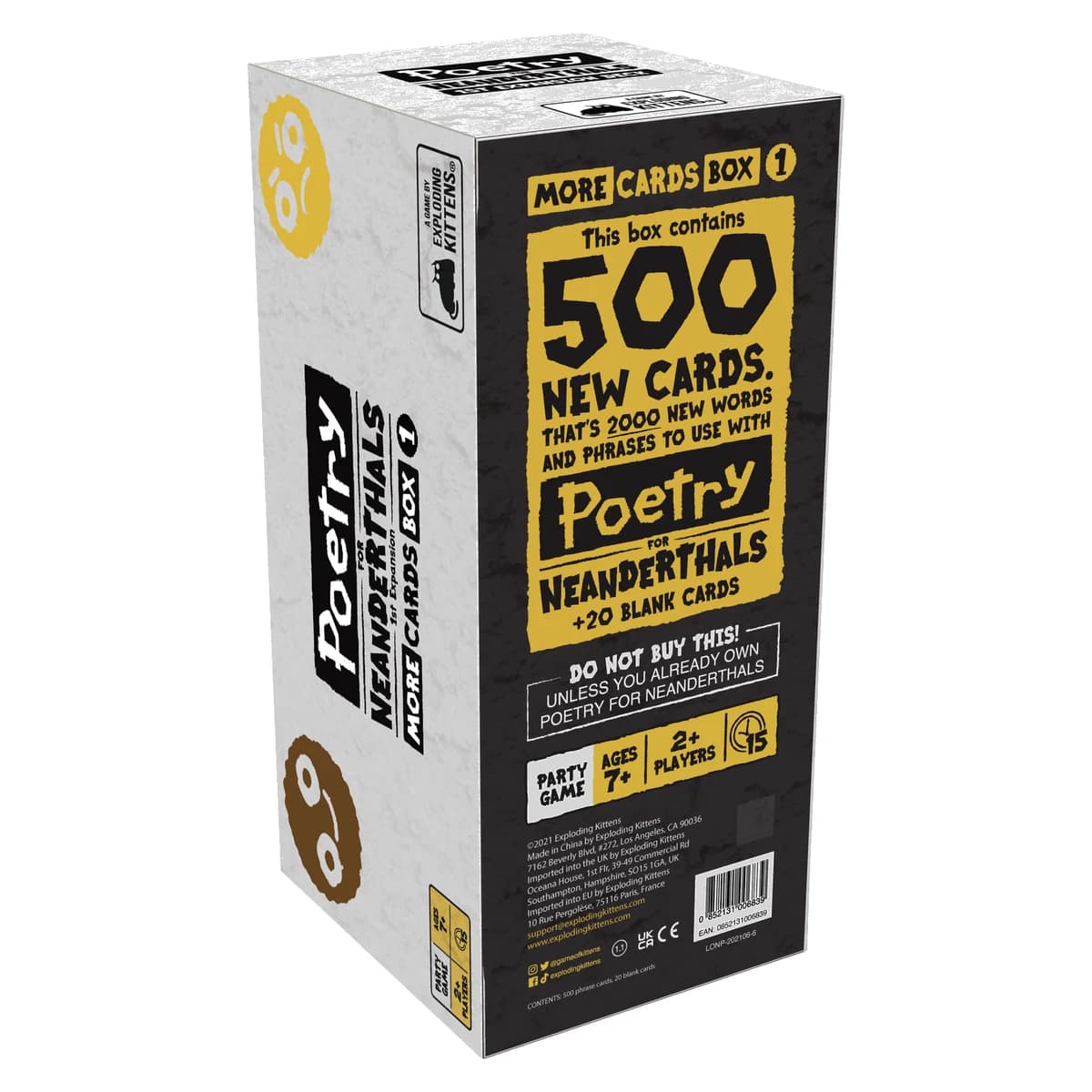
One-syllable words only, and an inflatable club for when you slip.
Get your team to guess a word using only single-syllable words, or get hit with a foam bat.
Trying to clue "helicopter" in words of one syllable is funny before anyone has said anything, and the constraint does all of that work by itself. The bat turns a rules violation into the best moment of the round. It is the shortest game in this tier and the easiest to bring out a second time.
SuitsMixed ages, and anybody who wants a game that is over in a quarter of an hour.
The catchThe bat is the game and not everyone wants to be hit with it. Owners report that some players simply will not join in once they see it, and there is no version of this game with the club taken out.
What our tools do hereThe deck is short and the joke is the constraint, not the words. Any noun from our generator works, and multi-syllable ones are the funniest to attempt.
Exploding Kittens rates the base game 7+. They also publish an adult expansion rated 17+, which is a separate product and not what the age here refers to.
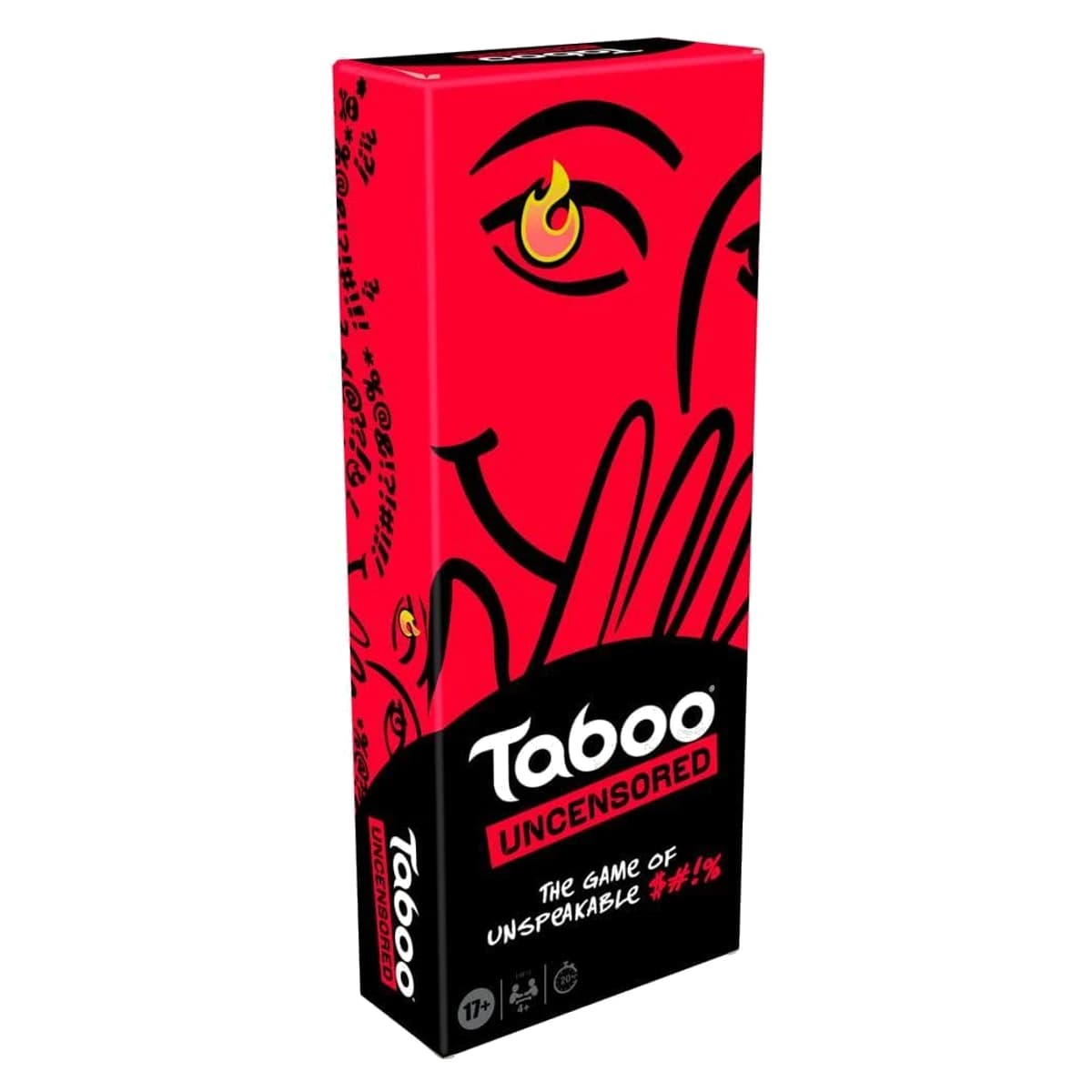
The forbidden words are the design, and everything else about it is thirty years old.
Describe a word without using any of the five obvious words printed under it.
Still the sharpest version of the describe-a-word idea. The banned list forces the interesting route every single time, which is a better constraint than any of its imitators found. Everything around it has aged badly: the buzzer, the plastic card holder, the sand timer. The core is good enough that people keep recommending it anyway.
SuitsTeams who want a competitive game rather than a cooperative one.
The catchOne person talks while everyone on the other team waits and polices. The opposing team has a job, which is watching for a banned word, but it is a job nobody enjoys and it stops the round dead when it is triggered.
What our tools do hereWriting your own cards is the standard fix once the deck is learned. Take a word from our generator, list the five words you would obviously reach for, and ban those.
11.Time's Up!
4 or more, in teams players
About 60 minutes
Ages 12
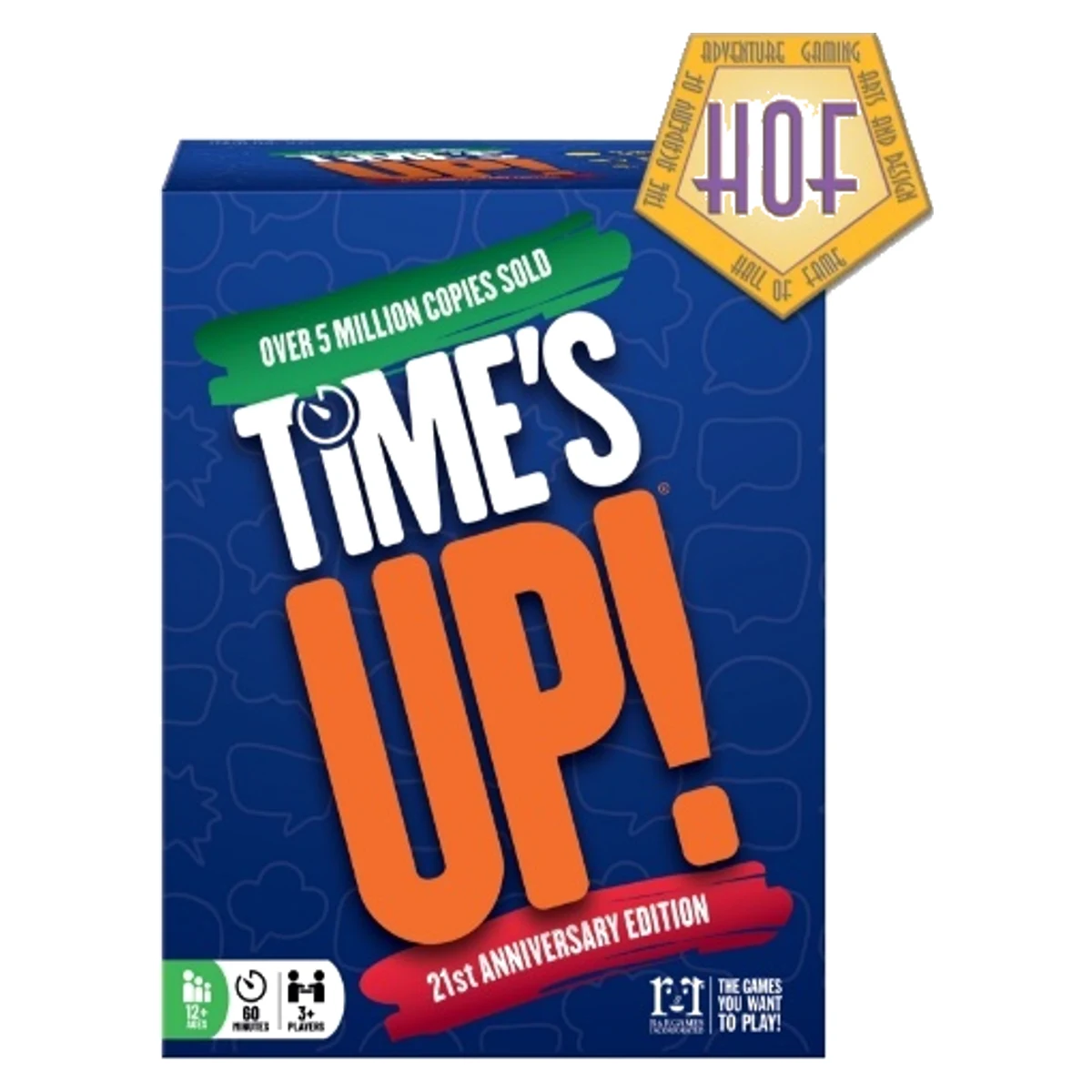
The same idea as Monikers, older, and with famous people instead of odd ones.
Three rounds on one deck of names: describe, then one word, then mime.
Older than Monikers and built on the same three-rounds-one-deck idea, which works here for the reason it works there. Where they differ is the deck. This one is celebrities, so it lives or dies on whether your table shares a frame of reference, and that is what to choose between them on.
SuitsGroups with roughly the same age and the same television.
The catchThe names date badly and the geography is narrow. A player who does not follow celebrity culture is handed a card they cannot clue at all, which is a much worse experience than a hard word.
What our tools do hereThe fix is a deck your table actually knows. Generate a batch of ordinary nouns instead of names, and the three-round structure works exactly the same without excluding anyone.
Two people think, everyone waits
Five games where one or two clue-givers do the work while the table sits. They are among the best-designed games on this page and the structure is still the structure. Codenames is here, and it is here on purpose.
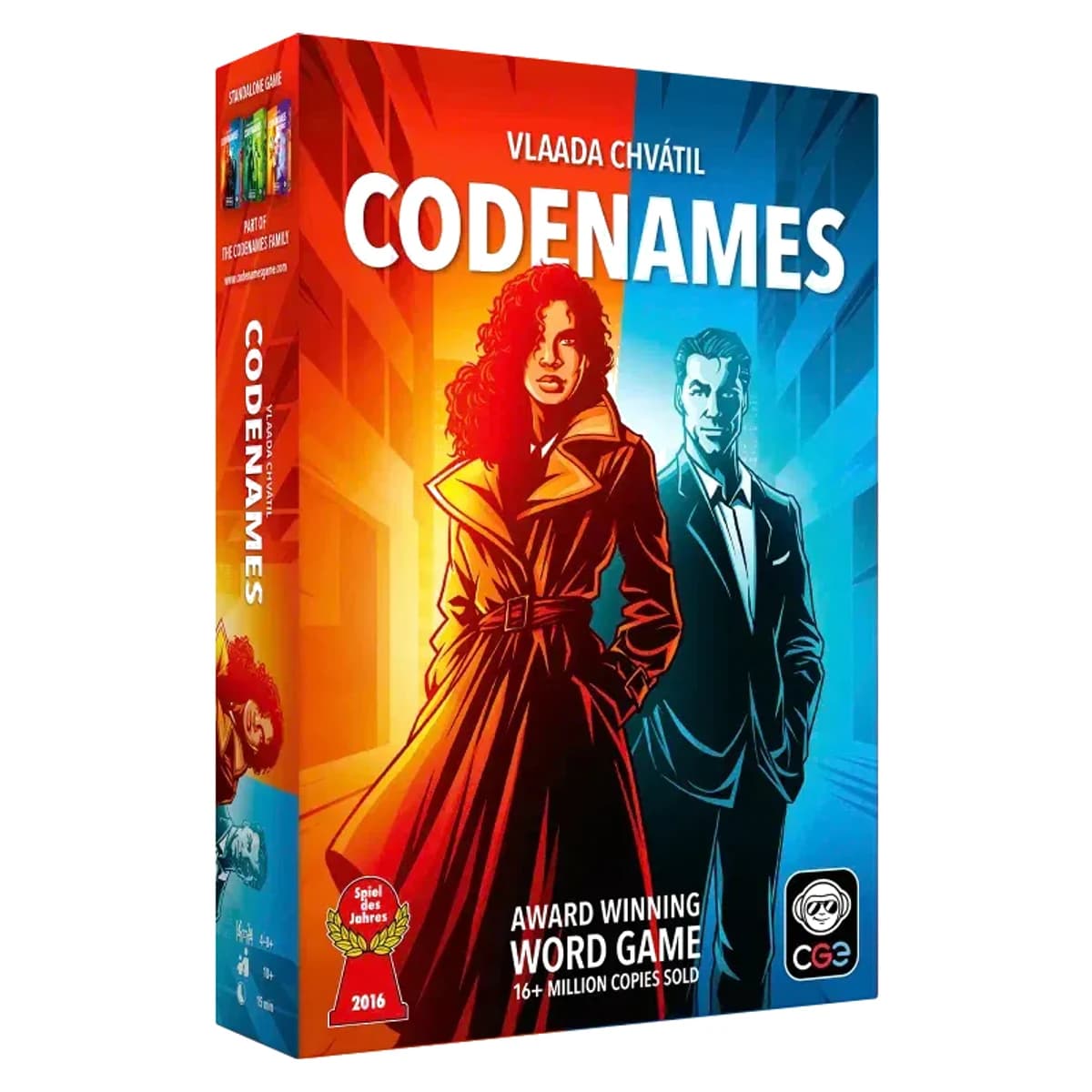
Mentioned more than twice as often as anything else here, and it is not our top pick.
Two clue-givers use one-word hints to steer their teams to the right words on a five by five grid.
Best-known party game of the last decade, and a genuinely elegant design. It sits here rather than at the top for one reason, and it is the reason the page is ordered the way it is: two clue-givers do all the thinking while everyone else waits. Players describe the table zoning out. They describe the appeal wearing off after a few rounds. Both of those are the same complaint.
SuitsGroups of four to six who like a puzzle, and who are happy to take turns being the one who thinks.
The catchThe downtime is structural, not fixable. A clue-giver who takes their time creates a minute of dead air for six people, and putting a timer on it produces worse clues. Players who love the game say this out loud.
What our tools do hereThe grids repeat once a group has played through the box. Twenty-five random words from our generator is a fresh board, and the words being unthemed makes it harder in a good way.
The 2025 refresh lists 4 to 8 players. Player consensus is that it is best at six and works fine at four, and the two-player Duet version is a separate product.
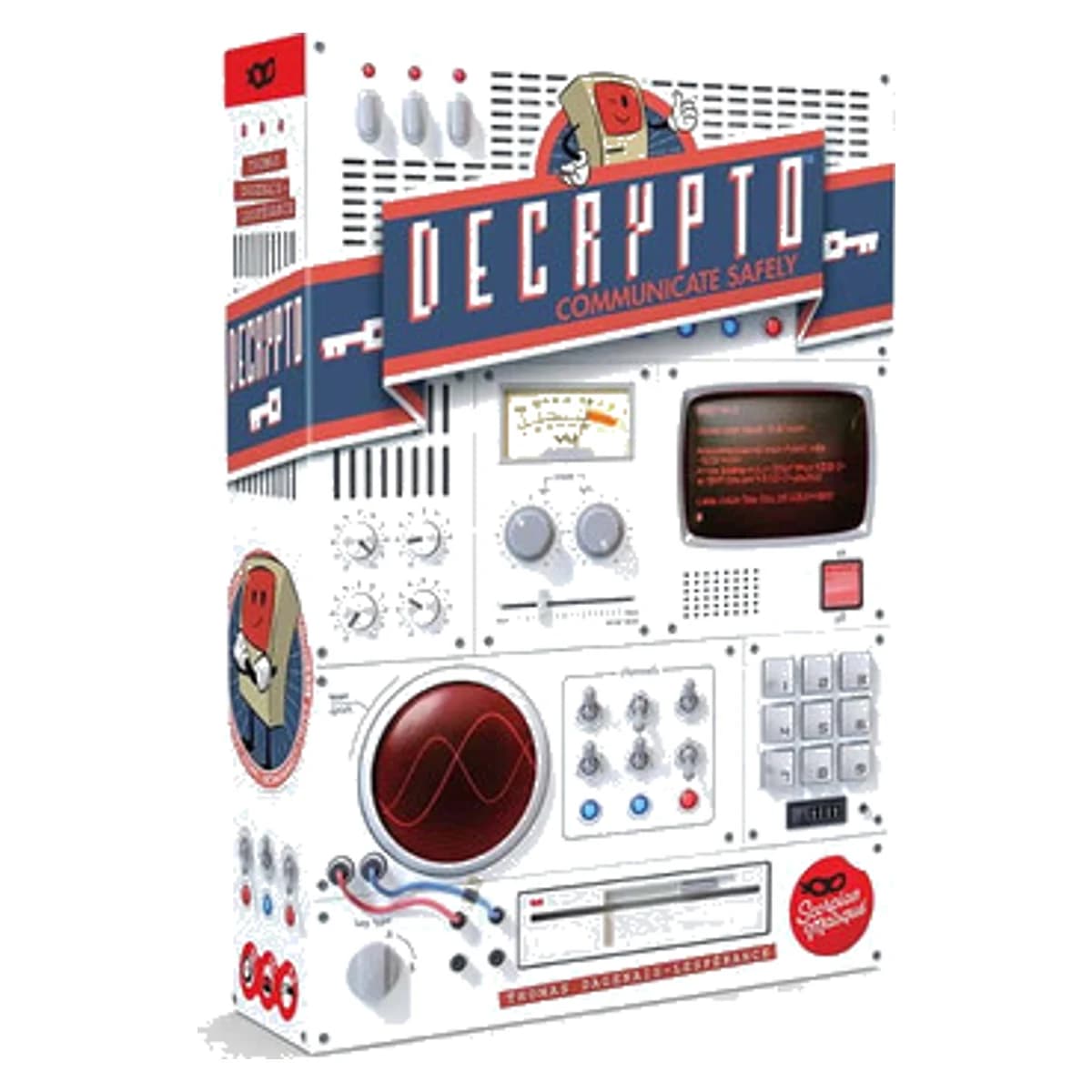
What Codenames players move to, and it takes longer to teach and longer to play.
Clue three of your own team's secret words each round without letting the other team crack the pattern.
What experienced groups name when asked what Codenames is missing, and they are right that there is more in it: an old clue can betray you three rounds later, which is the best single idea in this tier. It is also the hardest teach on the page.
SuitsGroups who have played Codenames to death and want the same shape with more to chew on.
The catchThe teach is genuinely bad and owners say so plainly. The recommended approach is to play a full round face-up as a demonstration, because explaining it properly does not work. Games also run to ninety minutes with two good teams, against a box that says forty-five.
What our tools do hereThe word cards are finite and the game is better with words your group has no history with. Four random words per team is a complete setup.
A physical dial, which is more than half of why people remember it.
Give a clue that puts a hidden needle somewhere on a spectrum between two extremes.
Two people can disagree about where "movie" sits relative to "film" for a full minute, and that is the game working rather than the game stalling. The dial is a genuinely good object. More of the room is involved than in Codenames, because the whole team argues the needle position out loud.
SuitsTables that enjoy arguing, and groups who want a game with a thing in the middle of it.
The catchIt reliably loses part of the room on the first play. Owners describe half a group not understanding the spectrum idea and sitting out, and the teach has a moment of confusion built into it that a shorter game would not survive.
What our tools do hereThe spectrum cards run out and inventing them is the hard part. Two random words from our generator, taken as the two ends, produce spectrums nobody has seen.
Charades with icons instead of your body, and no talking at all.
Place markers on a board of universal icons until somebody guesses your word.
Icons instead of words, which is why it works across languages when nothing else on this page does. A pair builds the clue while the rest of the table shouts guesses, so the room is louder than its position here suggests. For a table without a shared first language it is the best thing we found.
SuitsMixed-language groups, and anyone who wants charades without standing up.
The catchForty minutes is long for what it is, and the board is intimidating on first sight. New players spend the first two rounds hunting for icons rather than building clues, and some never get past treating it as a search puzzle.
What our tools do hereThe cards are graded by difficulty and a group settles into one band. A random word forces you to build a concept from scratch, which is where the game is best.
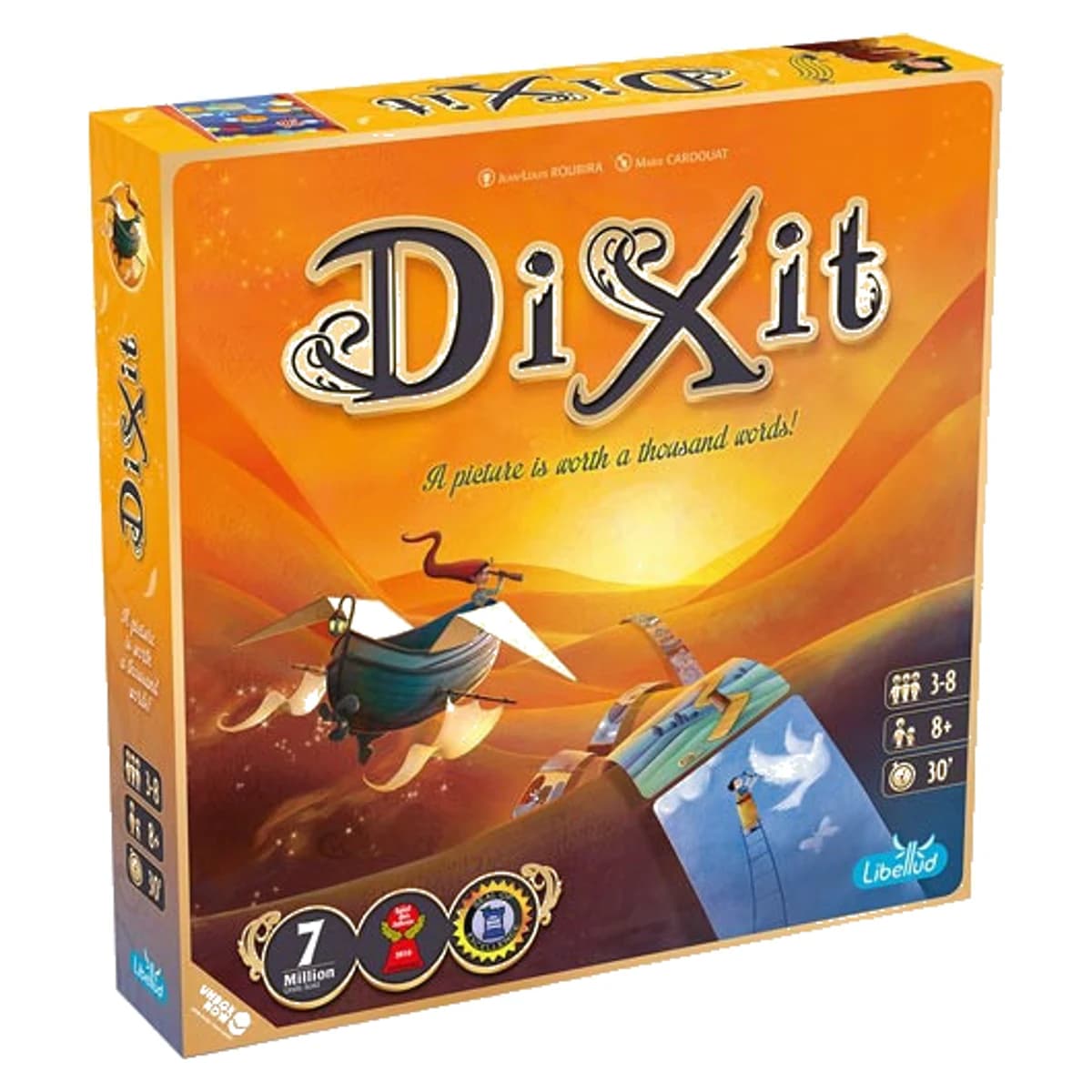
The art is the product, and it is also the reason it stops working.
Give a clue for your dream-like illustration that some players will guess and some will not.
Scoring is the clever part: you lose if everybody guesses your card and you lose if nobody does, so the target you are aiming at is deliberately vague. Everyone submits a card each round, so it is busier than its position here suggests, and the illustrations are why it gets given as a present.
SuitsQuiet groups, families with younger children, and anyone who likes the pictures.
The catchReplay value collapses. Owners are direct about it: play it several nights running and the same eighty-four cards come round again with the same clues attached, and the fix is buying expansions rather than anything in the base box.
What our tools do hereA random word makes a good clue prompt when a group has seen the deck. Draw a card, generate a word, and clue the card through the word instead of freely.
Somebody is out, or lying
Six deduction games. Every one of them keeps the whole room arguing, which is why they rank above the tier before them, and the modern ones have dropped player elimination entirely.
17.One Night Ultimate Werewolf
Best for groups
3 to 10 players
10 minutes
Ages 8
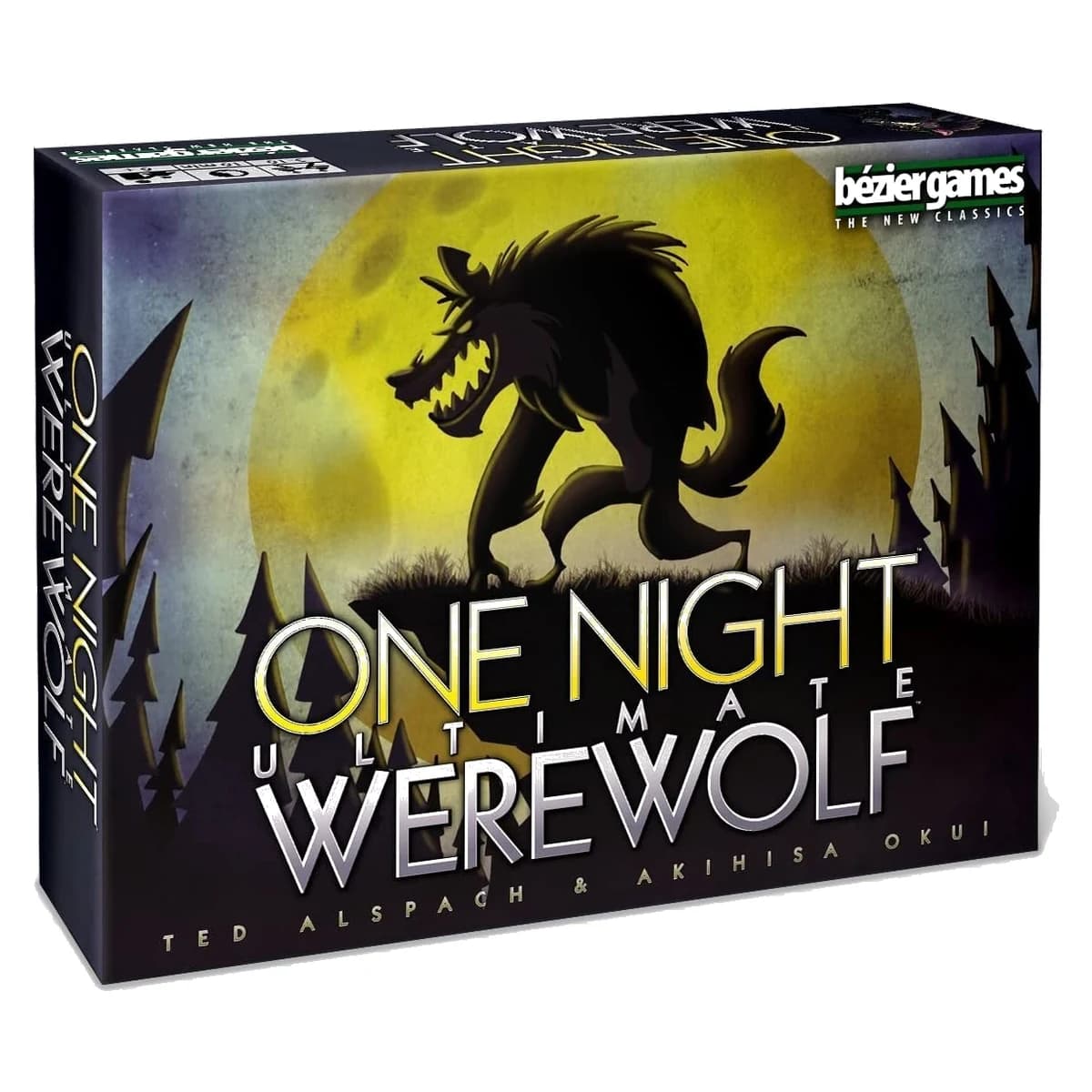
Werewolf with the elimination removed, which is the only version worth owning.
One night, one vote, no player is ever knocked out and made to watch.
Fixes the oldest problem in the genre. Traditional Werewolf and Mafia knock players out and leave them watching for half an hour, and this version simply deletes that phase. Ten minutes a game means a group plays five in a row, so losing costs you nothing at all.
SuitsGroups of six or more who want deduction without anybody being sent out of the room.
The catchIt needs the free app or a dedicated narrator, and the app talking over a noisy room is a real problem. It also collapses at low player counts, where the roles do not have enough space to hide in.
What our tools do hereThis one needs a random pick more than a random word. Our Randomize List tool deals the roles when the app is not to hand.
18.The Resistance: Avalon
5 to 10 players
30 minutes
Ages 13
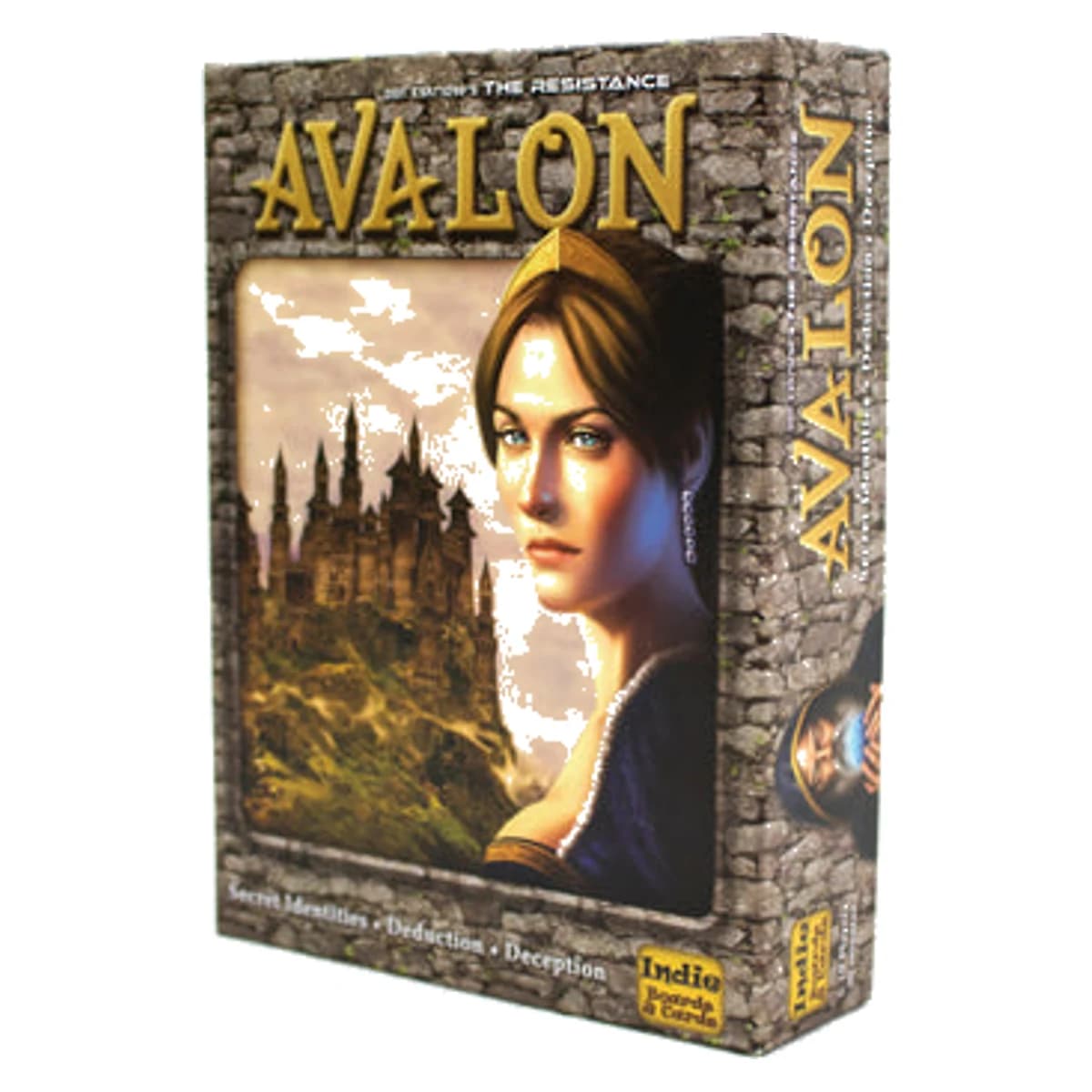
Nobody is eliminated, but the accusations start in round one and do not stop.
Loyal servants try to pass missions while hidden spies sabotage them.
Best-regarded social deduction game for six and above, and the one players name as the reason they got into board games at all. Nobody is eliminated, so everybody argues to the end. The special roles hand the good team real information to reason from. That is what separates it from plain Werewolf, where you are mostly guessing.
SuitsGroups of seven or eight who like arguing and do not take losing personally.
The catchIt is bad at five and six, and players who own it say so. With that few, the deduction is thin enough that the game is close to a coin flip, and the group ends up waiting until two more people arrive.
What our tools do hereRole assignment is the setup, and it has to be genuinely random. Our Randomize List tool shuffles the names when the cards are not to hand.
Ask questions that prove you know where you are without saying where you are.
Everyone shares a location except the spy, who has to work it out from the questions.
A superb idea and a fast one: a round takes under ten minutes, and the whole table is either asking or answering the entire time. When it lands it is the best thing here, because the questions themselves are funny before anybody has been caught.
SuitsConfident, talkative groups who improvise easily.
The catchIt fails completely with the wrong table, and owners are blunt about it. Players who cannot invent a question on the spot freeze, and a spy who has nothing to say is caught immediately. It does not work with everyone and there is no way to tell in advance.
What our tools do hereThe location deck is short and gets memorized. A random noun works as a location prompt, and unfamiliar ones are harder for the spy in exactly the right way.
Wikipedia and Hobby World list 3 to 8 and 6 to 10 minutes a round. Father Geek notes some editions go to 12 players, so check which box you are buying.
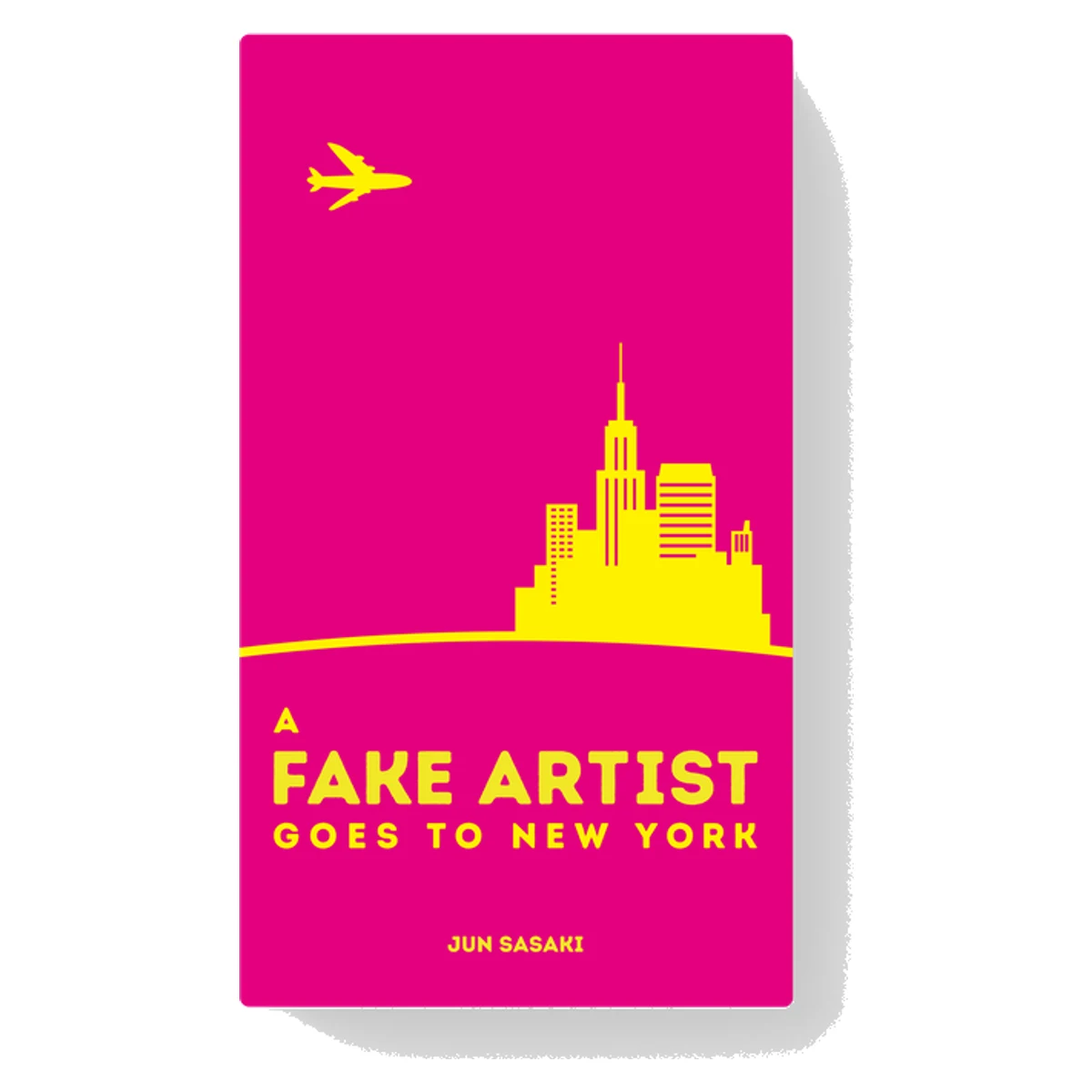
20.A Fake Artist Goes to New York
5 to 10 players
20 minutes
Ages 8
Everyone draws one line on the same picture, and one of them has no idea what it is.
Take turns adding a single pen stroke to a shared drawing while the fake artist bluffs along.
Draw too clearly and you help the faker. Draw too vaguely and you look like the faker yourself, which is an unusually well-aimed piece of tension for a game this small. Every player adds to the same picture, so nobody is idle, and the box fits in a coat pocket.
SuitsGroups of six to eight who like drawing games but find Telestrations too gentle.
The catchOne stroke each is very little to go on, and rounds sometimes end with a picture nobody can read at all. The included pens dry out, and the whiteboard is small enough that eight players crowd it.
What our tools do hereThe question master invents the word every round and that is the bottleneck. Our Random Word Generator hands them one, so the same person does not have to keep thinking of subjects.
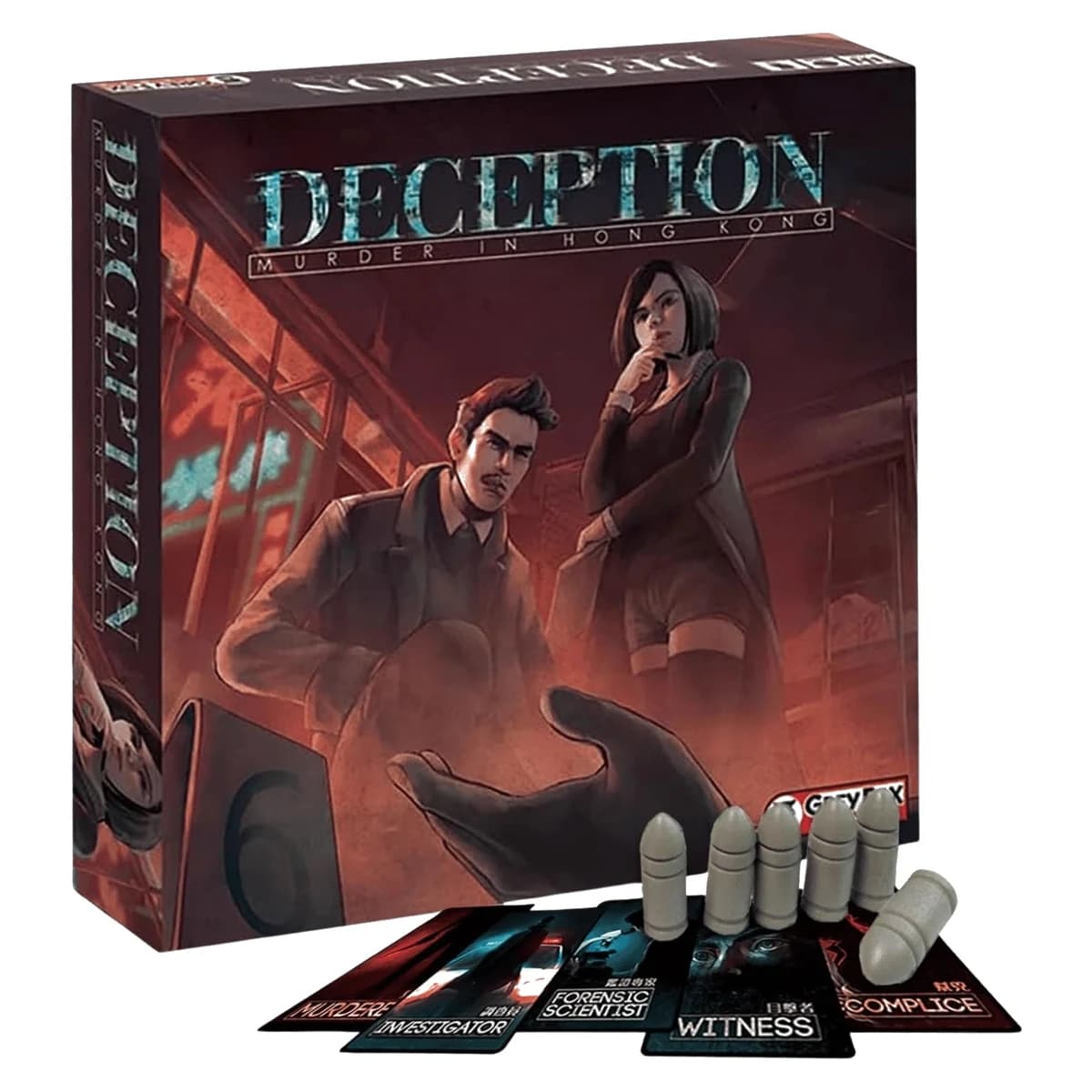
21.Deception: Murder in Hong Kong
4 to 12 players
20 minutes
Ages 14
The murderer is at the table and the forensic scientist may not speak.
A silent investigator gives physical clues while everyone argues over who the killer is.
Structurally the cleverest game in this tier, because the constraint on the scientist creates the puzzle rather than a rule doing it. Twelve players is a genuinely high ceiling for a deduction game, and everybody talks the whole way through.
SuitsLarge groups who want deduction with evidence rather than pure bluffing.
The catchRounds devolve into circular argument, and owners describe every game turning into a long chain of "it could be this, or it could be that" with no way to settle it. The reasoning arrives after the accusation rather than before it.
What our tools do hereThe clue tiles are fixed and a group learns them. Our Randomize List tool deals the roles, which matters here because the scientist must be genuinely unknown.
The base game is 4 to 12 players. An expansion, Undercover Allies, is sold under a very similar name and listing; the ASIN here is the base game.
22.Two Rooms and a Boom
6 to 30 players
7 to 20 minutes
Ages 8
The only game here that wants thirty people and two actual rooms.
Split into two rooms, swap hostages each round, and get the President away from the Bomber.
Nothing else on this page solves the party of twenty. Everyone is negotiating in one of two rooms at all times, so a crowd that would sit out any other game here is fully occupied, and that is the answer when the question is a genuine party rather than a games night.
SuitsThirty people, two rooms, and somebody willing to shout the round timings.
The catchIt is close to unbuyable and it needs a physical layout most homes do not have. Two rooms of roughly equal size and a person to run the clock is a real requirement, and below about ten players it does not function at all.
What our tools do hereSplitting twenty people into two fair rooms by hand takes longer than a round does. Our Randomize List tool does the split in one click.
Not stocked on Amazon at the time of writing, which is why there is no buy link. Tuesday Knight Games sells it directly, and it turns up secondhand.
Three we would skip
Popular, widely given as presents, and we would not buy any of them. In all three the game is finished before anyone plays it: the jokes are printed, and the players only pick between them.
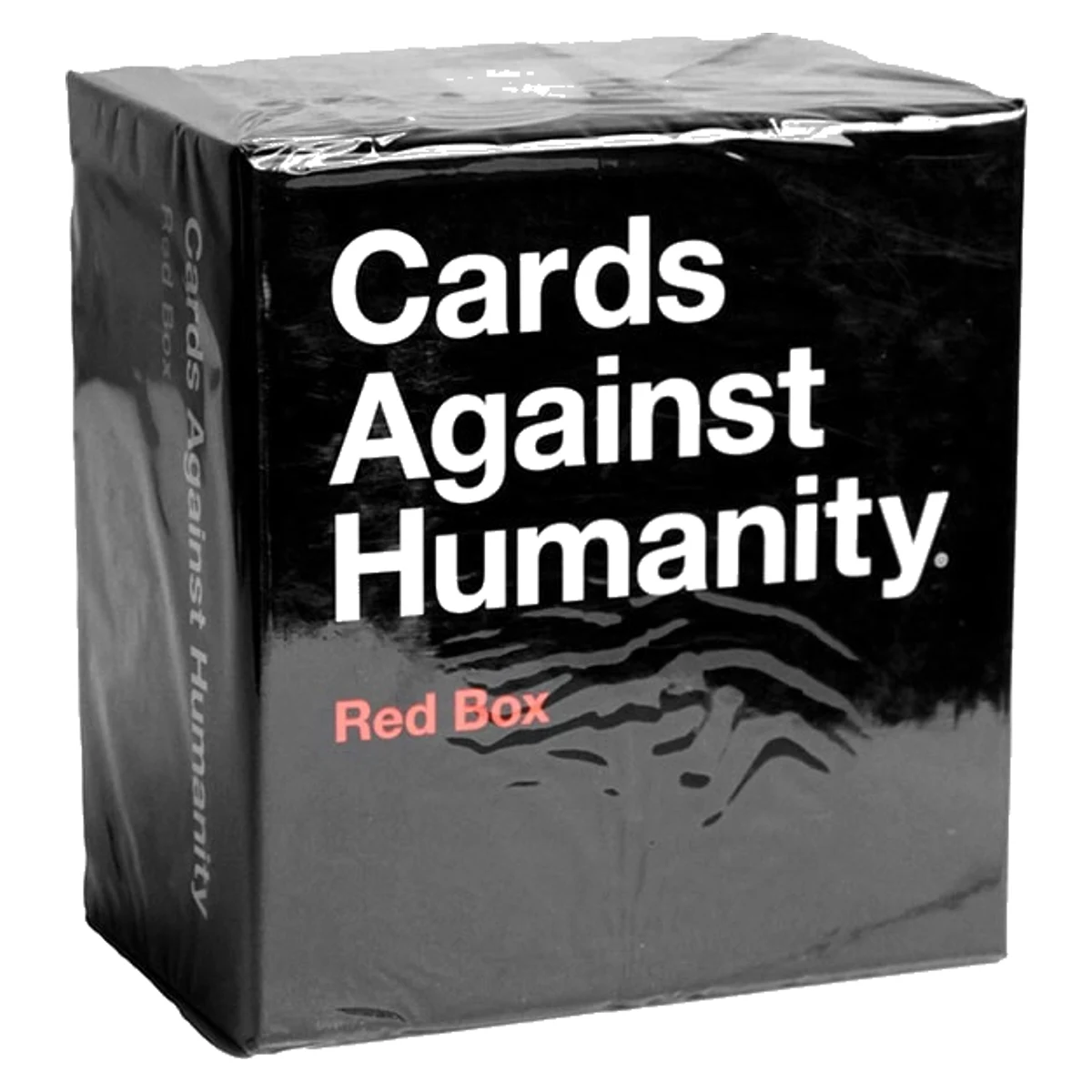
23.Cards Against Humanity
2 to 20 players
30 to 90 minutes
Ages 17
The joke is on the cards, so the game is a card-reading contest.
Play the funniest card from your hand to complete a fill-in-the-blank prompt.
We would not buy it, and the reason is not that it is offensive. It is that no player ever makes anything: the cards are pre-written, so the best you can do is find the card the designer already wrote. Owners describe it fondly as the game that got them started and then describe having moved on, which is the most common story about it.
SuitsNobody we would recommend it to, though it is the one most likely to already be in the house.
The catchIt becomes a race to shock. Groups report it turning into a contest over who can play the worst card, and once a table finds that gear, every round after it is the same round.
What our tools do hereIf it is in the house anyway, our Random Word Generator supplies replacement blanks, which puts the writing back with the players.
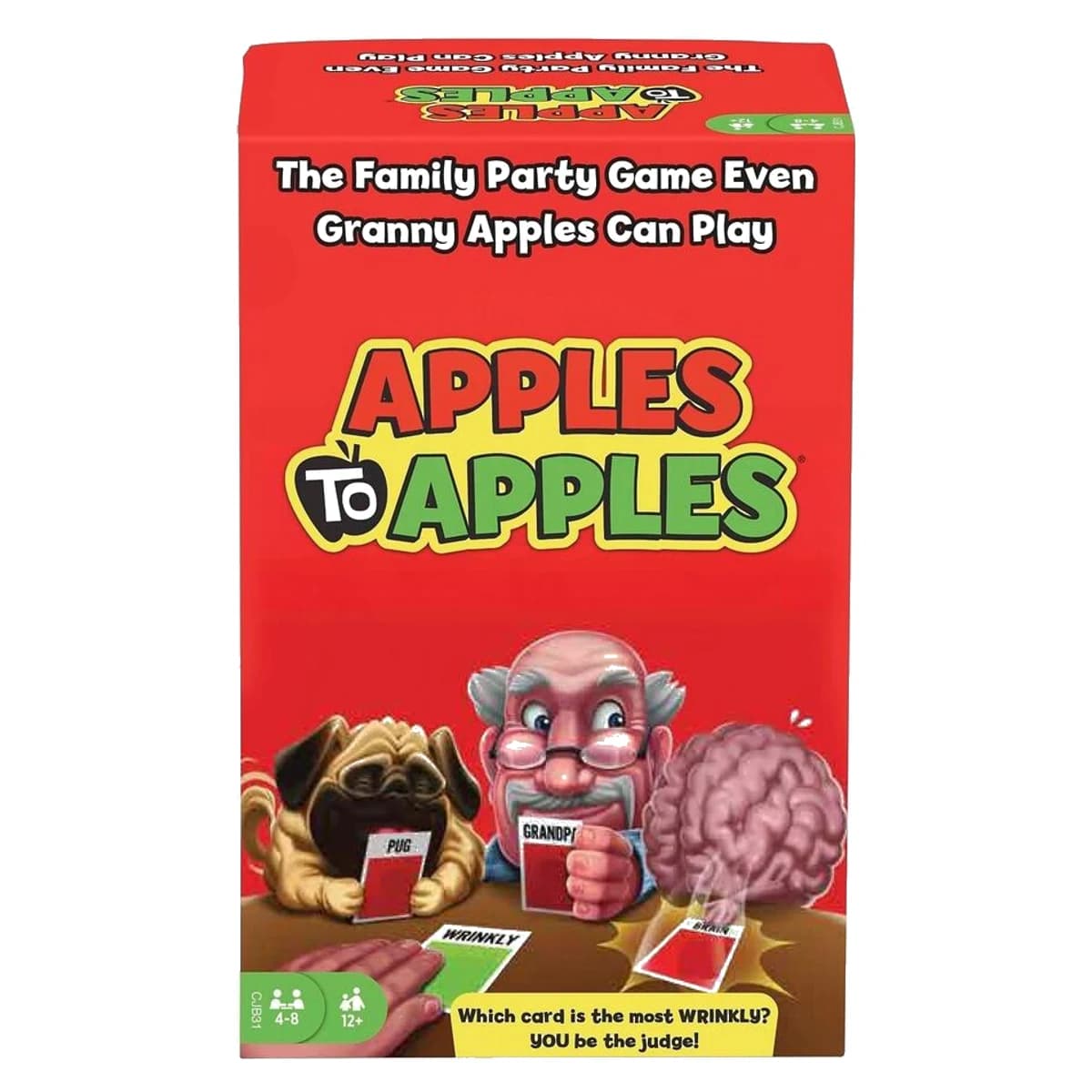
24.Apples to Apples
4 to 10 players
30 to 60 minutes
Ages 12
The game every other game in this genre was built to improve on.
Play a noun card that best matches the adjective the current judge turned over.
Historically important and comprehensively replaced. It is a judged game, so a round is decided by one person's taste and everyone else finds out what that taste was. Players describe shelves full of games that are variations of it. That is a polite way of saying the original is the weakest of them.
SuitsFamily tables that already own it and know how it goes.
The catchOne judge decides, so the winning move is guessing that person rather than being funny. It is also long: an hour on a game with a single decision per turn is the worst ratio on this page.
What our tools do hereThe noun cards are the disposable half. Our generator produces nouns nobody has seen, which is a fair fix if the box is already on the shelf.
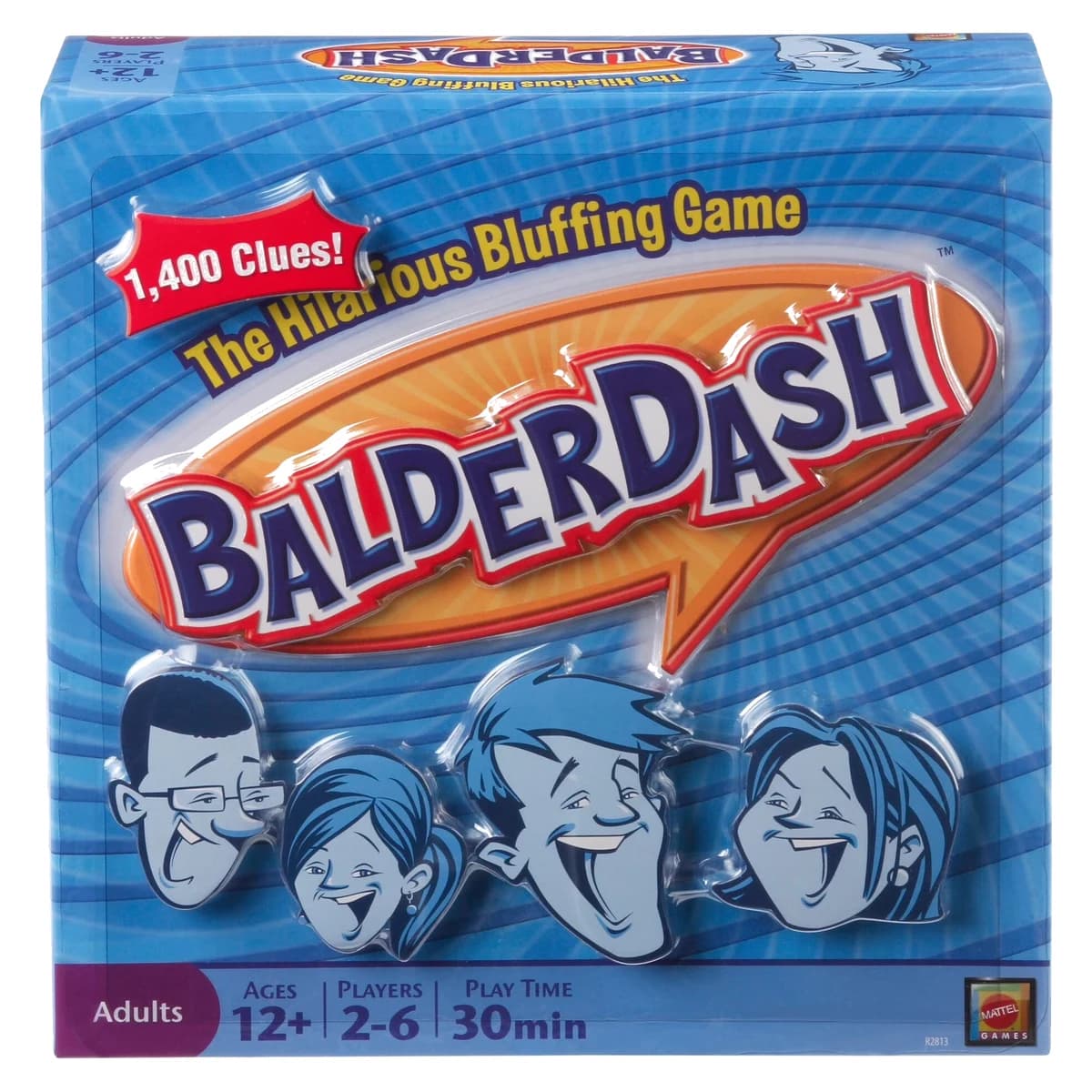
Write a fake dictionary definition, then wait while everybody writes theirs.
Invent a plausible definition for an obscure word and try to fool the table.
Bluffing about a word nobody knows is a fine premise, and the execution is an hour long. The writing phase is slow, the reading phase is slower, and by the third round the table is waiting more than it is playing. Every other bluffing game on this page is shorter.
SuitsWriters, and small groups who genuinely enjoy the composing part.
The catchIt caps at six and rewards one specific skill. A player who writes quickly and well wins repeatedly, and everyone else is doing homework. The round length is the complaint that comes up most.
What our tools do hereThe obscure words run out and looking up new ones is work. A random word plus a straight face is the same game, and our generator supplies the word.